How to Get Travel Insurance That Actually Covers What You Need
I broke my ankle on a hiking trail in Patagonia, 15 kilometers from the nearest road. The rescue, which involved a horse, a local gaucho, and a four-hour ride t...
I broke my ankle on a hiking trail in Patagonia, 15 kilometers from the nearest road. The rescue, which involved a horse, a local gaucho, and a four-hour ride to the nearest clinic, cost $400. The clinic visit, X-ray, and bandaging cost another $150. The total bill was $550, which my travel insurance covered in full. Without insurance, I would have paid out of pocket, and the cost would have been a significant hit to my travel budget. I have had travel insurance on every trip since that incident, and it has paid for itself twice more: once when my flight to Bali was canceled and I was reimbursed $380 for the replacement flight, and once when I had food poisoning in India and the insurance covered the $120 clinic visit and medication.
Travel insurance is one of those things that most travelers skip because they do not think they will need it. But the cost of not having it when you do need it can be catastrophic. A medical evacuation from a foreign country can cost $50,000 to $250,000. A canceled trip can cost $2,000 to $10,000 in non-refundable expenses. Travel insurance exists to protect you from these costs, but not all policies are created equal. Here is how to choose a policy that actually covers what you need.
What to Look For in a Policy
The most important coverage is emergency medical. Your domestic health insurance may not cover you abroad, and even if it does, it may not cover medical evacuation, which is the most expensive potential cost. A good travel insurance policy should cover emergency medical expenses up to at least $100,000 and medical evacuation up to at least $250,000. I use a policy from World Nomads that covers emergency medical up to $300,000 and evacuation up to $1,000,000. The cost for a two-week trip is about $80.
Trip cancellation and interruption coverage is the second most important feature. This reimburses you for non-refundable expenses if you have to cancel your trip before departure or cut it short due to a covered reason, such as illness, injury, or a family emergency. The coverage limit should be at least equal to the total cost of your trip. If your trip costs $3,000, your policy should cover at least $3,000 in trip cancellation.
Baggage coverage is less important but still worth having. Most policies cover lost, stolen, or delayed baggage up to $1,000 to $3,000. This is useful if your airline loses your luggage, which happens more frequently than most travelers realize. I had my backpack stolen on a bus in Colombia, and my insurance reimbursed me $800 for the contents, which included a laptop, a camera, and clothing. The reimbursement process took about three weeks and required police reports and receipts, but it worked.
Comparing Providers and Common Pitfalls
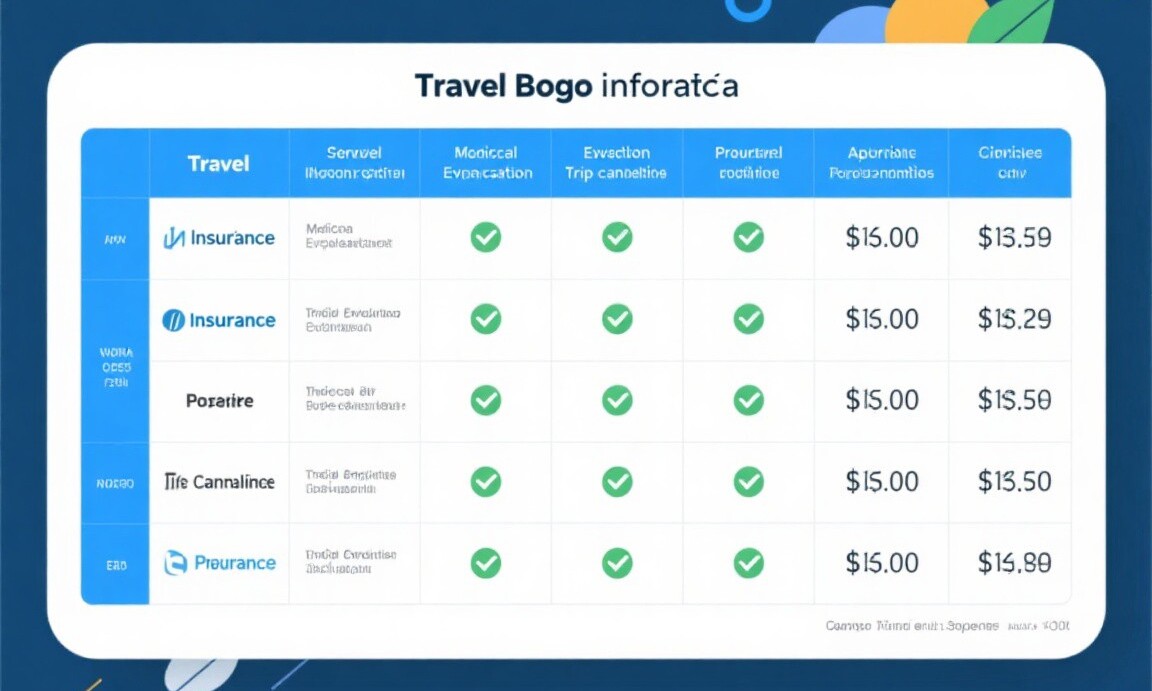
I have used three travel insurance providers: World Nomads, Safety Wing, and Allianz. World Nomads is the most popular among long-term travelers and backpackers. It covers a wide range of adventure activities, including hiking, scuba diving, and skiing, which many other policies exclude. The downside is that it is more expensive than some competitors, typically 10 to 20 percent more for similar coverage. Safety Wing is designed for digital nomads and long-term travelers, offering monthly subscription plans that cover you globally for $42 to $56 per month. Allianz is a traditional insurance company that offers single-trip and annual policies at competitive prices but has more exclusions for adventure activities.
The biggest pitfall with travel insurance is not reading the fine print. Most policies have exclusions for pre-existing medical conditions, which means if you have a medical emergency related to a condition you had before buying the policy, the claim may be denied. Some policies also exclude certain activities, like motorcycling above a certain engine size, rock climbing, or paragliding, unless you pay an additional premium. Before buying a policy, I always read the full policy document, specifically the "Exclusions" section, to make sure the activities I plan to do are covered.
Another common pitfall is buying insurance too late. Most policies only cover you for events that occur after the policy start date. If you buy insurance after a hurricane has been named and your flight is canceled, the policy will not cover the cancellation because the event occurred before the policy was in effect. I always buy travel insurance within 24 hours of booking my trip, which ensures that any subsequent cancellation is covered.
The deductible is another factor to consider. Most travel insurance policies have a deductible of $0 to $250 per claim. A lower deductible means higher premiums, and vice versa. I choose a $0 deductible because the premium difference is usually small, $10 to $20 for a two-week trip, and I do not want to deal with out-of-pocket costs when I am already dealing with a travel emergency.
Travel insurance costs $4 to $10 per day for most trips, which is a small price to pay for the protection it provides. I have paid about $1,200 in travel insurance premiums over five years and have received about $2,500 in claims. The insurance has more than paid for itself, and the peace of mind it provides is worth the cost even if I never file another claim. Do not skip travel insurance. The worst-case scenario is too expensive to risk.
Hotel reviewer and luxury travel on a budget specialist. Jake proves you don't need to spend a fortune for a great trip.
Related Reading
Explore more articles on this topic from our travel guides and tips.
-
1
How to Avoid Dynamic Currency Conversion Traps When Paying Abroad Travel Hacks · May 3, 2026
-
2
Secret Hotel Booking Sites That Travel Insiders Use Hotel & Flight Deals · May 11, 2026
-
3
How to Use Skyscanner Like a Pro to Find Hidden Flight Deals Travel Hacks · May 9, 2026
-
4
How to Use VPNs to Find Cheaper Flight Prices Travel Hacks · May 6, 2026