The $50 a Day Challenge: Can You Really Travel Mexico on That
I stood at a taco stand in Oaxaca at 10 PM, eating tlayudas, large crispy tortillas topped with asiento (unrefined pork lard), black beans, quesillo cheese, and...
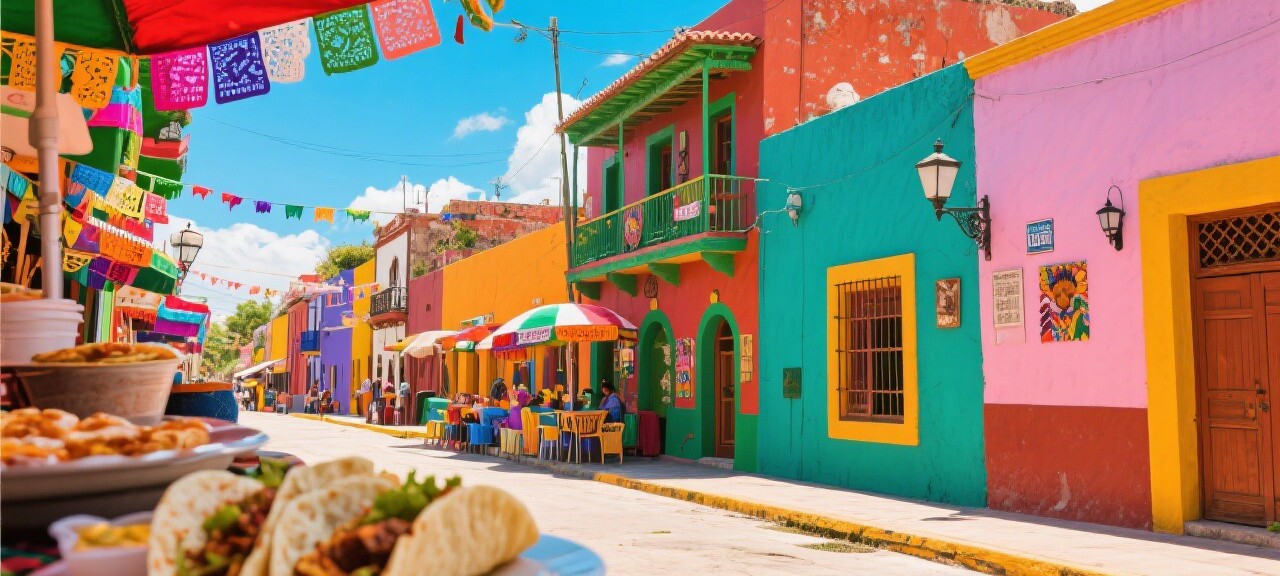
I stood at a taco stand in Oaxaca at 10 PM, eating tlayudas, large crispy tortillas topped with asiento (unrefined pork lard), black beans, quesillo cheese, and salsa, for 45 pesos ($2.50) each. I ate three. With a bottle of Mezcal from a nearby shop that cost 120 pesos ($6.70), my total dinner bill was 255 pesos ($14.20). I was stuffed, slightly buzzed, and thoroughly happy. This was day ten of my $50-a-day Mexico challenge, and I was $12 under budget for the day. Mexico on $50 a day was not just possible, it was easy.
I spent two weeks in Mexico, traveling from Mexico City to Oaxaca to San Cristóbal de las Casas to Palenque, on a strict budget of $50 per day. I tracked every expense in a spreadsheet, and the final total was $647, or $46.21 per day. Here is exactly how I spent the money, day by day and category by category.
Mexico City: Culture and Cuisine
I spent four days in Mexico City, staying at the Hostel Downtown Beds in the Centro Histórico for 250 pesos ($14) per night in a dorm bed. The hostel was two blocks from the Zócalo, the main square, and within walking distance of most major attractions. The Frida Kahlo Museum (Casa Azul) cost 150 pesos ($8.40) and required booking online a week in advance. The Anthropology Museum, one of the best museums in the world for pre-Columbian art, cost 85 pesos ($4.75). The Palacio de Bellas Artes, a stunning white marble palace with murals by Diego Rivera and David Alfaro Siqueiros, cost 85 pesos ($4.75).
Food in Mexico City was the highlight. A taco al pastor from a stand called El Huequito in the Centro Histórico cost 15 pesos ($0.85). A torta, a Mexican sandwich, from a stand near the Bellas Artes cost 35 pesos ($2). A bowl of pozole, a hominy soup with pork, at a restaurant called La Casa de Toño cost 75 pesos ($4.20). I also visited the Mercado de San Juan, a gourmet food market where I bought Oaxacan cheese, chorizo, and fresh tortillas for a picnic lunch that cost 60 pesos ($3.35). My daily food spend in Mexico City averaged 200 pesos ($11.20).
Transport within Mexico City was cheap and efficient. The metro costs 5 pesos ($0.28) per ride, making it one of the cheapest subway systems in the world. The metro is extensive, with 12 lines covering most of the city, and it is clean, safe, and fast. I used the metro exclusively for four days and spent a total of 70 pesos ($3.90) on transport.

Oaxaca, San Cristóbal, and Palenque
I took a bus from Mexico City to Oaxaca on ADO, Mexico's premium bus service, for 680 pesos ($38). The bus was comfortable, with reclining seats, air conditioning, and a movie. The journey took six hours. In Oaxaca, I stayed at a hostel called Azul Cielo for 200 pesos ($11.20) per night. Oaxaca is the culinary heart of Mexico, famous for its seven moles, mezcal, and chocolate. A plate of mole negro at a restaurant called Los Danzantes cost 180 pesos ($10), the most expensive single meal of my trip, but worth every peso for the complex, smoky, chocolate-infused sauce that took three days to prepare.
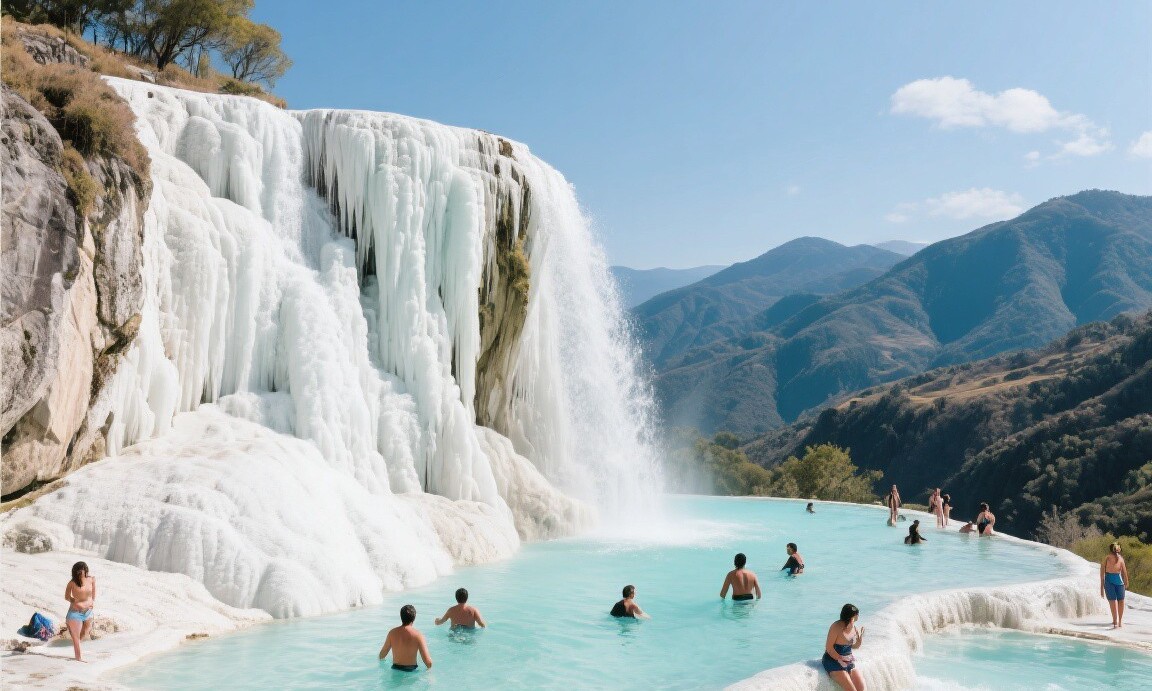
From Oaxaca, I took a colectivo to Hierve el Agua, a petrified waterfall that looks like a giant stone cascade. The colectivo cost 50 pesos ($2.80) each way, and the entrance fee was 25 pesos ($1.40). The site is a natural wonder, mineral-rich water cascading over a cliff edge for thousands of years, creating white travertine formations that look like frozen waterfalls. I also visited a mezcal distillery outside Oaxaca through a tour organized by my hostel for 300 pesos ($16.80), which included tastings of six different mezcals.
San Cristóbal de las Casas, in Chiapas state, was the most affordable stop on my trip. I stayed at a hostel called Posada de Abuelitos for 150 pesos ($8.40) per night. The town is in the highlands of Chiapas, surrounded by indigenous Tzotzil and Tzeltal communities. I took a tour to the indigenous villages of San Juan Chamula and Zinacantán for 200 pesos ($11.20), which included a local guide who explained the unique blend of Catholic and indigenous spiritual practices in the village churches. The experience was eye-opening and respectful, a rare example of cultural tourism that benefits rather than exploits the community.
Palenque, in the state of Tabasco, was my final destination. The Palenque archaeological site, a Maya city buried in dense jungle, cost 85 pesos ($4.75) to enter. The temples, emerging from the tropical forest with howler monkeys roaring in the canopy above, were more atmospheric than any ruins I have seen in Mexico. I stayed at a hotel called La Aldea near the ruins for 250 pesos ($14) per night.
Two weeks in Mexico cost me $647, or $46.21 per day. I ate incredible food, visited world-class museums, explored ancient ruins, tasted mezcal at its source, and experienced indigenous cultures that have existed for thousands of years. Mexico on $50 a day is not a challenge. It is a gift. The country offers more per dollar than almost any other destination I have visited, and the warmth of the people makes every peso feel like it went further than it should have.
Hotel reviewer and luxury travel on a budget specialist. Jake proves you don't need to spend a fortune for a great trip.
Related Reading
Explore more articles on this topic from our travel guides and tips.
-
1
Secret Hotel Booking Sites That Travel Insiders Use Hotel & Flight Deals · May 11, 2026
-
2
Eastern Europe Cities That Are Cheaper Than You Think Destination Guides · May 10, 2026
-
3
Error Fares and Mistake Fares: How to Catch Them Before They Disappear Hotel & Flight Deals · May 3, 2026
-
4
How to Plan a Two-Week Vacation for Under $2000 Total Budget Travel · May 1, 2026