The Hidden Costs of Travel Nobody Warns You About
I arrived at the airport in Bali and was told I needed to pay a 150,000 rupiah ($10) "tourist tax" that was not mentioned when I booked my flight or my visa. I...
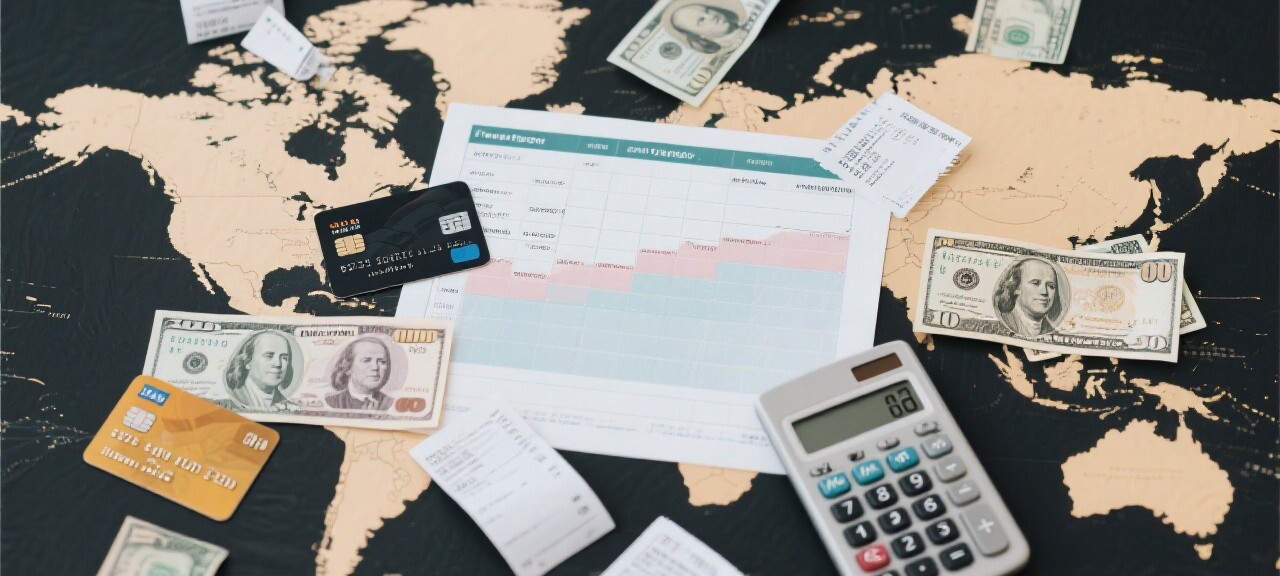
I arrived at the airport in Bali and was told I needed to pay a 150,000 rupiah ($10) "tourist tax" that was not mentioned when I booked my flight or my visa. I had budgeted $35 per day for Bali, and this unexpected charge, combined with the $25 visa-on-arrival fee that I had known about, added $35 to my arrival-day costs. It was not a catastrophic amount, but it was the kind of hidden cost that can derail a tight budget if you are not prepared for it. Over the years, I have been caught by hidden travel costs dozens of times, and I now research them before every trip. Here are the ones that surprise travelers most often, and how much they actually cost.
Tourist Taxes and Departure Fees
Tourist taxes are fees charged by governments or local authorities to fund tourism infrastructure. They are often not included in the price of your flight or hotel and are collected at the airport, at the hotel, or through a separate online payment. Bali's tourist tax is one of the most well-known, but similar taxes exist in many destinations. New Zealand charges an International Visitor Levy of $35 NZD ($22), collected online before arrival. Japan charges a "sayonara tax" of 1,000 yen ($7) on departing passengers. The Balearic Islands in Spain charge a tourist tax of 1 to 4 euros per night, depending on the season and hotel category, which is added to your hotel bill.
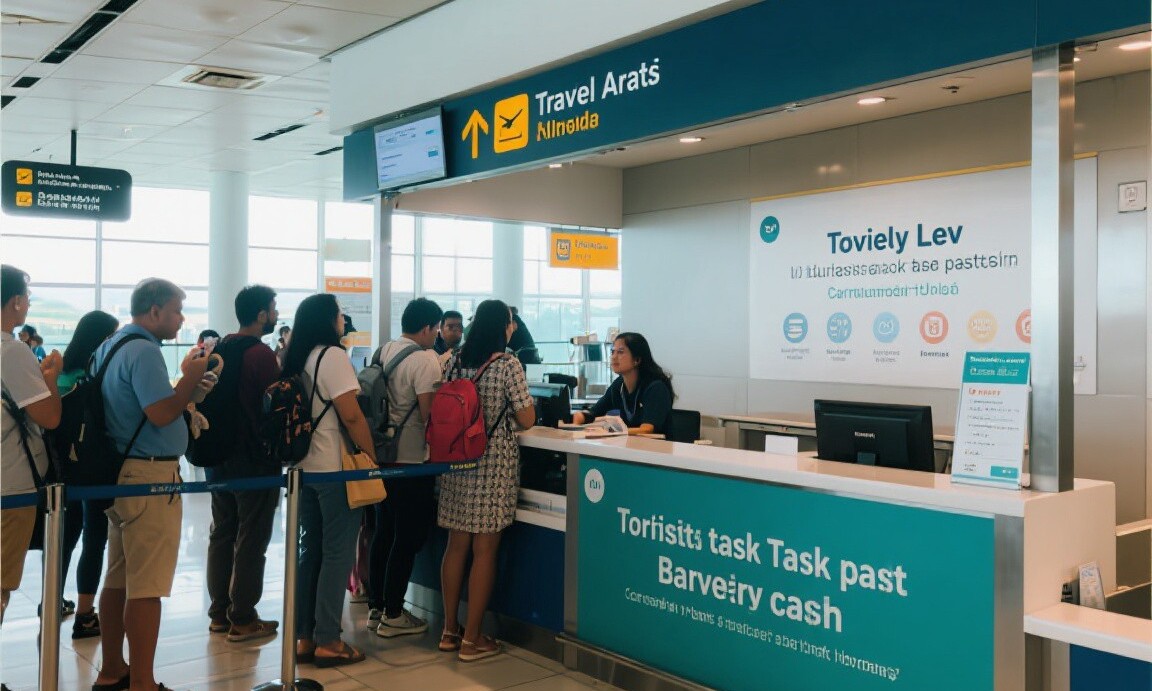
Departure fees are another common hidden cost. Many countries charge a fee for leaving the country, which is either included in your airline ticket or collected separately at the airport. In Cambodia, the departure fee is $36 for foreigners, and it is not always included in the ticket price. In Thailand, the international departure tax is 700 baht ($20), which is included in most airline tickets but not all. In Australia, the departure tax is included in the ticket price, so there is no separate payment. I always check whether the departure tax is included in my ticket by looking at the "taxes and fees" breakdown on my booking confirmation.
ATM Fees, Credit Card Surcharges, and Other Financial Costs
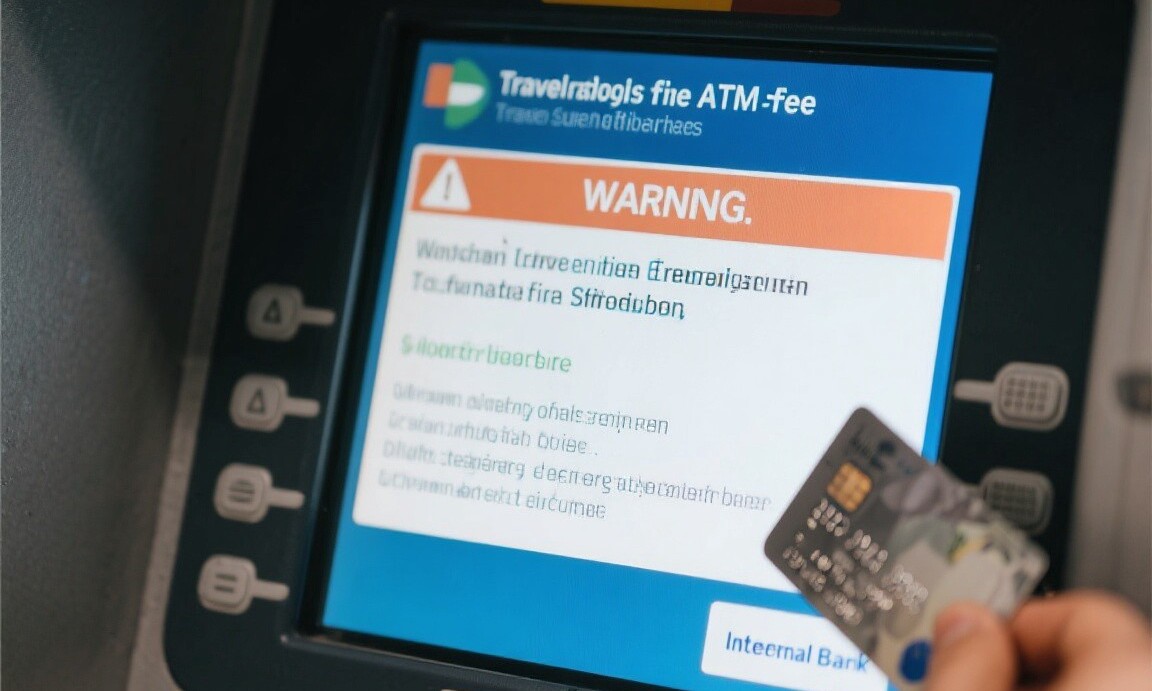
ATM fees can add up quickly if you are not careful. In many countries, ATMs charge a fixed fee per withdrawal in addition to any fee charged by your bank. In Thailand, ATMs charge 200 to 300 baht ($5.70 to $8.50) per withdrawal. In Cambodia, ATMs charge $3 to $5 per withdrawal. In Argentina, ATMs charge a fixed fee in pesos that can be the equivalent of $5 to $10. If you make five withdrawals per trip, that is $25 to $50 in ATM fees alone. I minimize ATM fees by withdrawing larger amounts less frequently and by using a debit card that refunds ATM fees, like the Charles Schwab debit card.
Credit card surcharges are increasingly common, especially in Australia, where merchants are legally allowed to pass on the cost of credit card processing to the consumer. A typical surcharge in Australia is 1 to 2 percent of the transaction amount. In some countries, merchants add a surcharge for American Express cards because Amex charges higher processing fees than Visa or Mastercard. I always ask about surcharges before paying by card, and I carry a Visa or Mastercard as a backup to avoid Amex surcharges.
Foreign transaction fees, charged by most US credit cards for purchases made in foreign currencies, are another hidden cost. The typical fee is 3 percent of the transaction amount. On a trip with $3,000 in credit card spending, that is $90 in fees. I use a credit card with no foreign transaction fees, like the Capital One Venture X or the Chase Sapphire Preferred, for all international spending. The annual fee on these cards is more than offset by the foreign transaction fee savings.
Dynamic currency conversion, where a merchant offers to charge you in your home currency instead of the local currency, is a hidden cost that I have encountered in 15 countries. The conversion rate offered through DCC is always worse than the rate your credit card company would apply, typically by 5 to 12 percent. I always decline DCC and pay in the local currency.
Hidden travel costs are not truly hidden if you know to look for them. Before every trip, I spend 15 minutes researching the specific costs for my destination: tourist taxes, departure fees, visa costs, ATM fees, and common surcharges. I add these to my budget as a "hidden costs buffer" of $50 to $100. This buffer has saved me from surprise charges on every trip I have taken since I started doing it. The best way to handle hidden costs is to expect them, budget for them, and then be pleasantly surprised when they do not materialize.
Hotel reviewer and luxury travel on a budget specialist. Jake proves you don't need to spend a fortune for a great trip.
Related Reading
Explore more articles on this topic from our travel guides and tips.
-
1
How to Get Free Hotel Nights on Your First Booking Hotel & Flight Deals · Apr 21, 2026
-
2
How to Plan a Two-Week Vacation for Under $2000 Total Budget Travel · May 1, 2026
-
3
How to Travel Africa on a Backpacker Budget Budget Travel · May 8, 2026
-
4
The Cheapest Cities in Europe for a Weekend Hotel Stay Hotel & Flight Deals · Apr 30, 2026