A Two-Week Budget Itinerary for Egypt
The Great Pyramid of Giza is the only surviving Wonder of the Ancient World, and standing at its base at 6 AM, with the sun rising over the desert and the city...
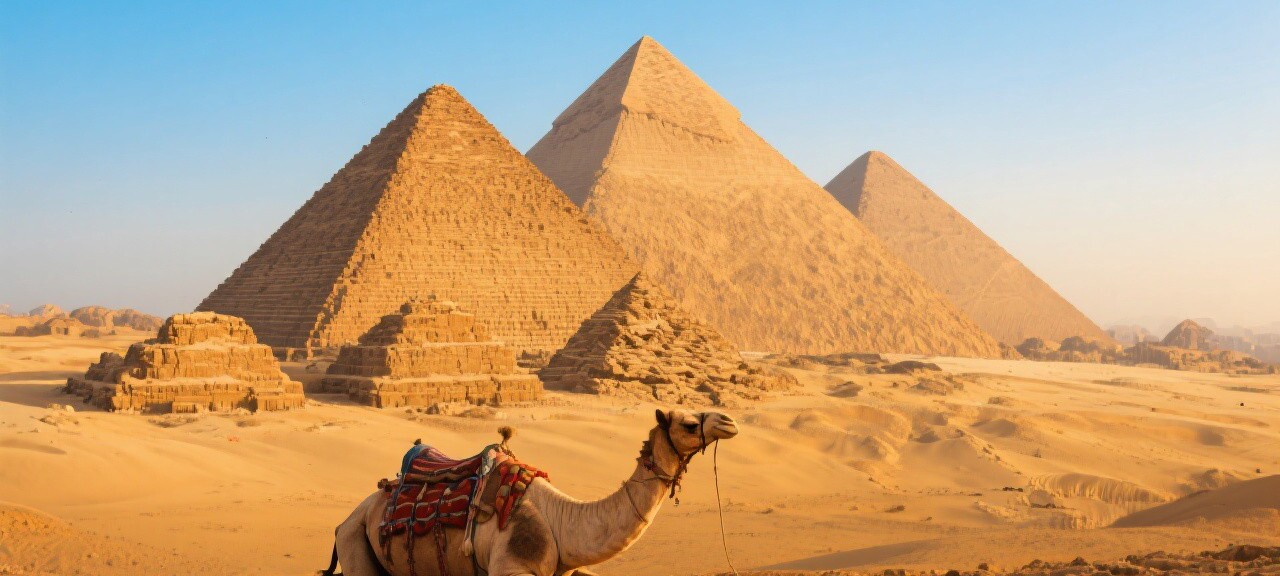
The Great Pyramid of Giza is the only surviving Wonder of the Ancient World, and standing at its base at 6 AM, with the sun rising over the desert and the city of Cairo sprawling in the haze behind me, I understood why it has captivated people for 4,500 years. The blocks of limestone, some weighing 2.5 tons, were stacked with a precision that modern engineers still struggle to explain. I touched the stone, warm from the morning sun, and felt the weight of history in a way that no photograph or documentary could convey. The entrance fee was 200 Egyptian pounds ($4.10), which is absurdly cheap for one of the most extraordinary structures on Earth.
I spent two weeks in Egypt, traveling from Cairo to Luxor to Aswan and back, on a budget of $35 per day. Egypt is one of the most affordable destinations in the world for the quality of experience it offers. The ancient monuments are staggering, the Nile is magnificent, and the food, while not the reason most people visit, is cheap and filling. Here is my day-by-day itinerary with exact costs.
Cairo: Pyramids, Museums, and Chaos
I spent four days in Cairo, staying at the Dahab Hotel near Tahrir Square for $8 per night in a private room with a fan and shared bathroom. The hotel was basic but clean, and the rooftop terrace offered views of the city skyline. The Egyptian Museum in Tahrir Square costs 200 pounds ($4.10) for foreigners and contains Tutankhamun's death mask, the Royal Mummies room (an additional 300 pounds or $6.15), and thousands of artifacts from every period of ancient Egyptian history. I spent five hours there and saw about a third of the collection.
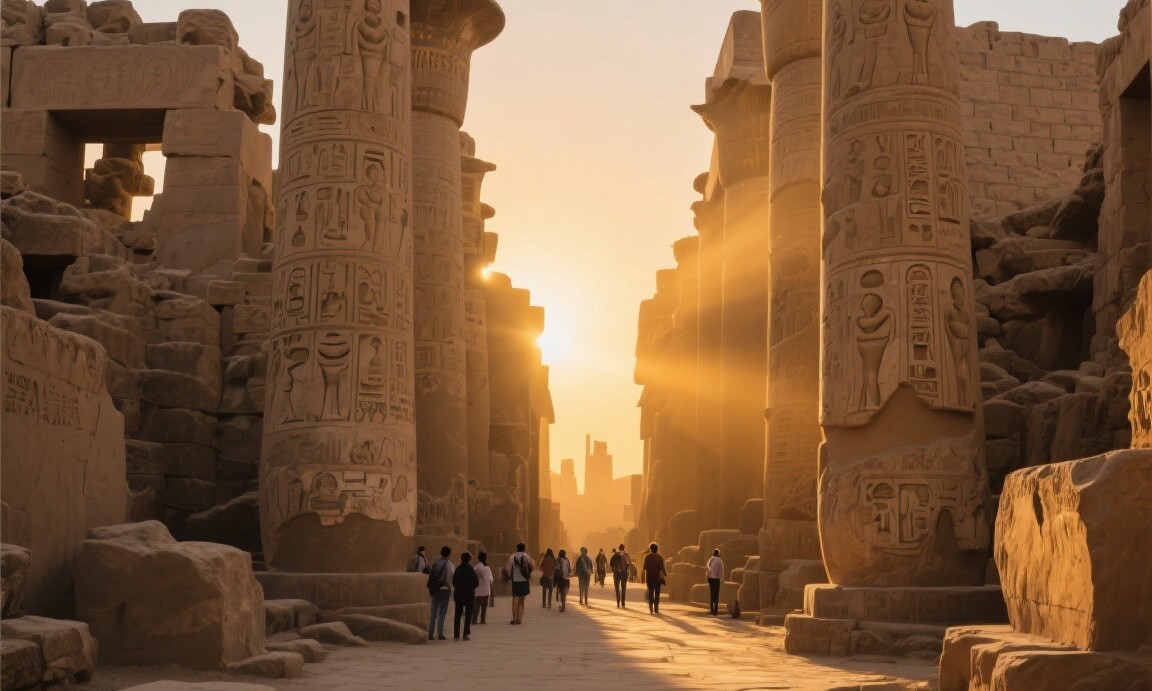
Getting to the Pyramids of Giza from central Cairo cost me 30 pounds ($0.60) on a microbus from the Giza metro station. The entrance to the pyramid complex is 200 pounds ($4.10), and entering the Great Pyramid itself costs an additional 400 pounds ($8.20). I chose not to enter the Great Pyramid because the interior is bare and the experience is reportedly underwhelming, but I climbed around the exterior and explored the smaller pyramids of Khafre and Menkaure. The Solar Boat Museum, which houses a reconstructed cedar boat buried at the foot of the Great Pyramid, costs 100 pounds ($2.05) and is worth the extra fee.
Food in Cairo is incredibly cheap. A plate of koshari, Egypt's national dish of rice, lentils, pasta, and tomato sauce, at a restaurant called Abou Tarek near the Egyptian Museum costs 35 pounds ($0.72). A falafel sandwich from a street cart costs 10 pounds ($0.20). Fresh juice from a vendor near Talaat Harb Street costs 15 pounds ($0.31). I ate well in Cairo for under $5 per day.
Luxor, Aswan, and the Nile
I took the overnight seated train from Cairo to Luxor, which cost 250 pounds ($5.15) for a seat in an air-conditioned carriage. The journey was 10 hours, and I slept poorly but arrived in Luxor at 6 AM ready to explore. Luxor is the ancient city of Thebes and contains the largest concentration of ancient monuments in Egypt. I stayed at the Nefertiti Hotel for $6 per night, a simple guesthouse with a rooftop that overlooked the Luxor Temple.
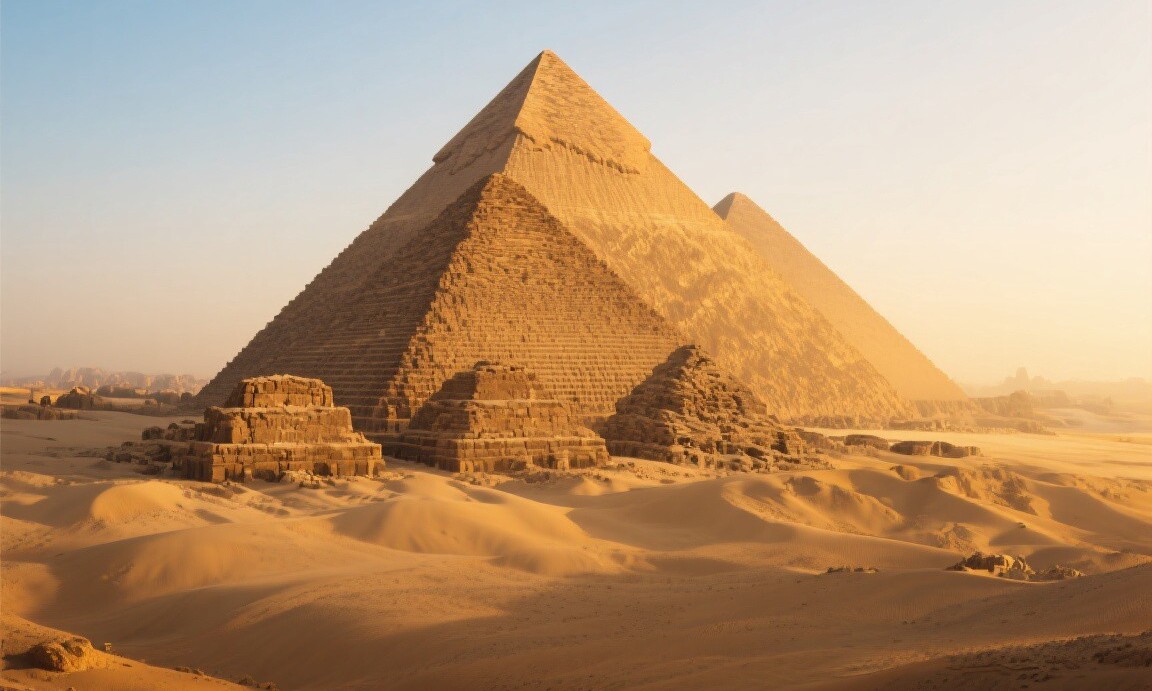
The Luxor Temple, illuminated at night, is free to walk around the exterior and costs 250 pounds ($5.15) to enter. The Karnak Temple complex, connected to Luxor Temple by the Avenue of Sphinxes, costs 300 pounds ($6.15) and is the largest ancient religious site in the world. I hired a guide named Ahmed through my hotel for 200 pounds ($4.10) per hour, and he spent three hours walking me through Karnak, explaining the significance of the hieroglyphics, the obelisks, and the sacred lake. The Valley of the Kings, on the west bank of the Nile, costs 300 pounds ($6.15) for entry plus 300 pounds per tomb. I visited three tombs, including Tutankhamun's (an extra 300 pounds), and the wall paintings were breathtaking in their detail and color after 3,000 years.
From Luxor, I took a felucca, a traditional wooden sailboat, to Aswan. The two-day felucca journey cost 800 pounds ($16.50) including meals and sleeping on deck under the stars. The captain, a Nubian man named Hassan, cooked rice and vegetables on a small gas stove and told stories about the Nile gods as we drifted south past banana plantations and sand dunes. In Aswan, I visited the Philae Temple, dedicated to the goddess Isis, which was relocated to its current island location in the 1960s to save it from the rising waters of Lake Nasser caused by the Aswan High Dam. The temple costs 250 pounds ($5.15) to reach by boat and is one of the most picturesque ancient sites in Egypt.
Two weeks in Egypt cost me $490, or $35 per day. That included all accommodation, food, transport within Egypt, entrance fees to every monument I visited, a guide in Luxor, and the felucca journey. Egypt is not a comfortable destination, the heat, the noise, the constant hassle from touts and vendors can be exhausting. But the ancient monuments are among the most extraordinary things a human being can see, and the prices make them accessible to anyone with a passport and a sense of adventure.
Former airline analyst turned travel deal hunter. Tom knows every trick to find the cheapest flights and hotels.
Related Reading
Explore more articles on this topic from our travel guides and tips.
-
1
Budget Travel in Indonesia Beyond Bali Destination Guides · Apr 28, 2026
-
2
The Ultimate Budget Guide to Portugal in 2026 Destination Guides · Apr 23, 2026
-
3
The Best Times to Book Hotels for Maximum Savings Hotel & Flight Deals · Apr 26, 2026
-
4
The 24-Hour Rule: How Timing Your Flight Booking Saves Hundreds Travel Hacks · Apr 13, 2026