Exploring Colombia Beyond Cartagena: A Budget Traveler Guide
Most people who visit Colombia never make it past Cartagena. They land, walk the walled city, eat a few arepas, take a photo on the colorful streets of Getseman...
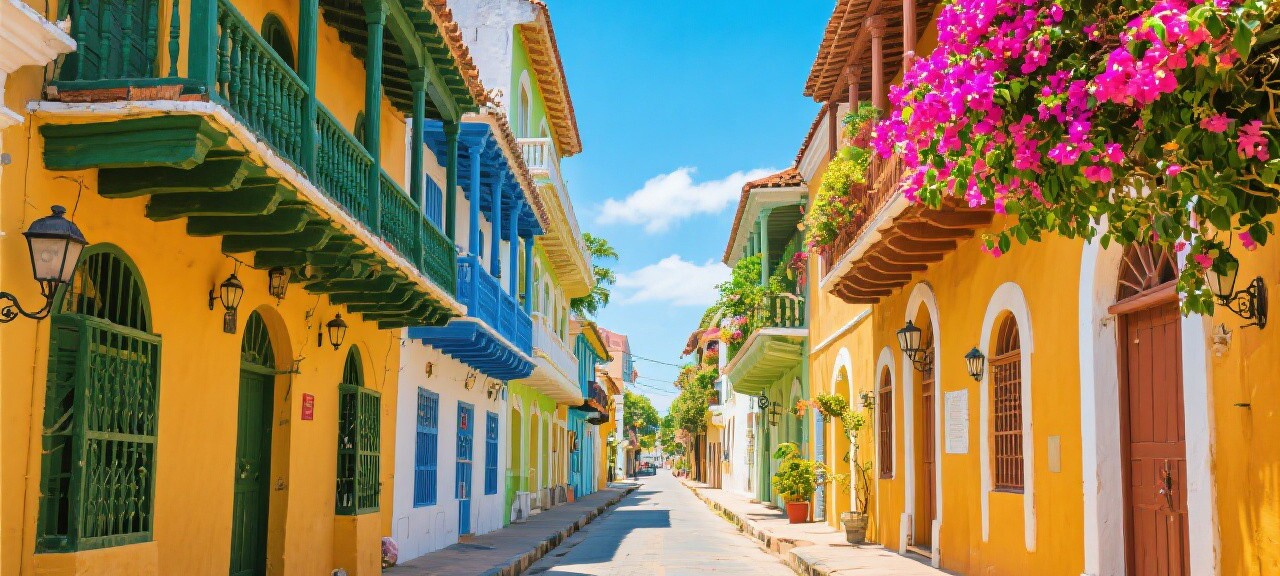
Most people who visit Colombia never make it past Cartagena. They land, walk the walled city, eat a few arepas, take a photo on the colorful streets of Getsemani, and fly home thinking they have seen the country. I spent six weeks in Colombia, and Cartagena was my least favorite part. The real Colombia is in the mountains, in the cities where tourists are rare, in the places where a cup of coffee costs 800 pesos and the people treat you like a neighbor rather than a wallet.
I arrived in Medellin on a Tuesday afternoon in March. The taxi from the airport wound through the valley, and as we emerged from the tunnel into the city, the entire Aburra Valley opened up below us, a sea of red-brick buildings and green mountains under a pale blue sky. The air was warm but not humid, maybe 75 degrees, with a light breeze that smelled faintly of eucalyptus. I checked into a hostel in the Laureles neighborhood called Casa Kiwi, where a dorm bed cost 22,000 Colombian pesos, about $5.50. The room had six beds, a small balcony overlooking a quiet street lined with mango trees, and a bathroom with hot water. I have paid more for a single night in a parking lot in California.
Medellin: The City of Eternal Spring
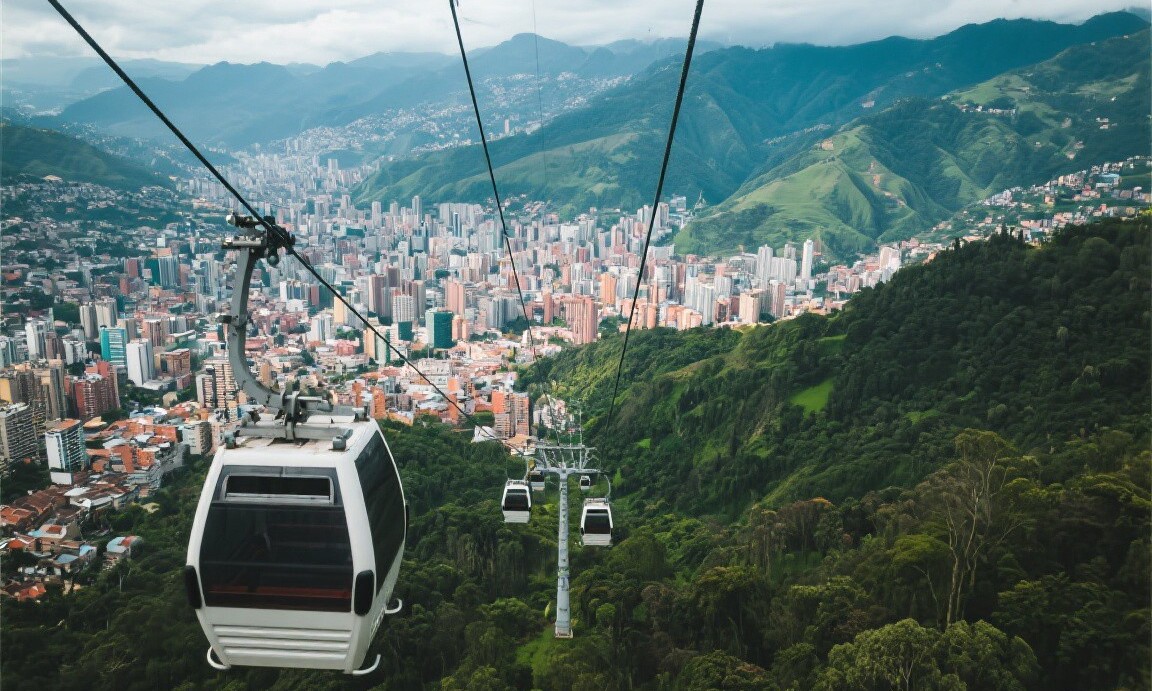
Medellin surprised me at every turn. I expected a rough city with a dark reputation, and while that history is real, the Medellin of today feels safe, creative, and alive. The metro system is clean and efficient, a single ride costs 2,800 pesos ($0.70), and the trains are packed with office workers, students, and families. I took the metro cable car up to Parque Arvi, a nature reserve in the mountains above the city. The cable car ride took 25 minutes and climbed from the valley floor to 2,600 meters above sea level. The temperature dropped ten degrees during the ascent, and the view of the city shrinking below us was staggering. The air at the top was crisp and smelled of pine and wet earth. A woman selling empanadas at the park entrance charged me 3,000 pesos ($0.75) for two chicken empanadas that were still hot from the oil, the dough flaky and golden.
Food in Medellin is absurdly cheap if you eat where locals eat. The menu del dia, a set lunch of soup, rice, beans, plantain, salad, and a meat of your choice, costs between 10,000 and 15,000 pesos ($2.50 to $3.75) at any neighborhood restaurant. I ate at a place called Mondongo's near the Laureles stadium, where the bandeja paisa, a massive platter of rice, beans, chicharron, chorizo, avocado, fried egg, and arepa, cost 18,000 pesos ($4.50). I could not finish it. The waiter laughed and said, "Nobody finishes it the first time." He was right.
Bogota and Cali: Mountains, Graffiti, and Salsa
Bogota sits at 2,640 meters above sea level, and the altitude hits you the moment you step off the plane. My first morning there, I walked up the hill to Cerro de Monserrate, a church and viewpoint overlooking the city. The walk took 40 minutes, and I had to stop twice to catch my breath. The air was thin and cool, maybe 55 degrees, and the city stretched out below in every direction, a gray-blue expanse under a sky the color of pewter. A vendor at the top sold me a cup of canelazo, a hot drink made with aguardiente, cinnamon, and sugar cane, for 5,000 pesos ($1.25). It burned my throat and warmed my chest, and I stood there drinking it while the clouds moved through the valley like slow rivers.
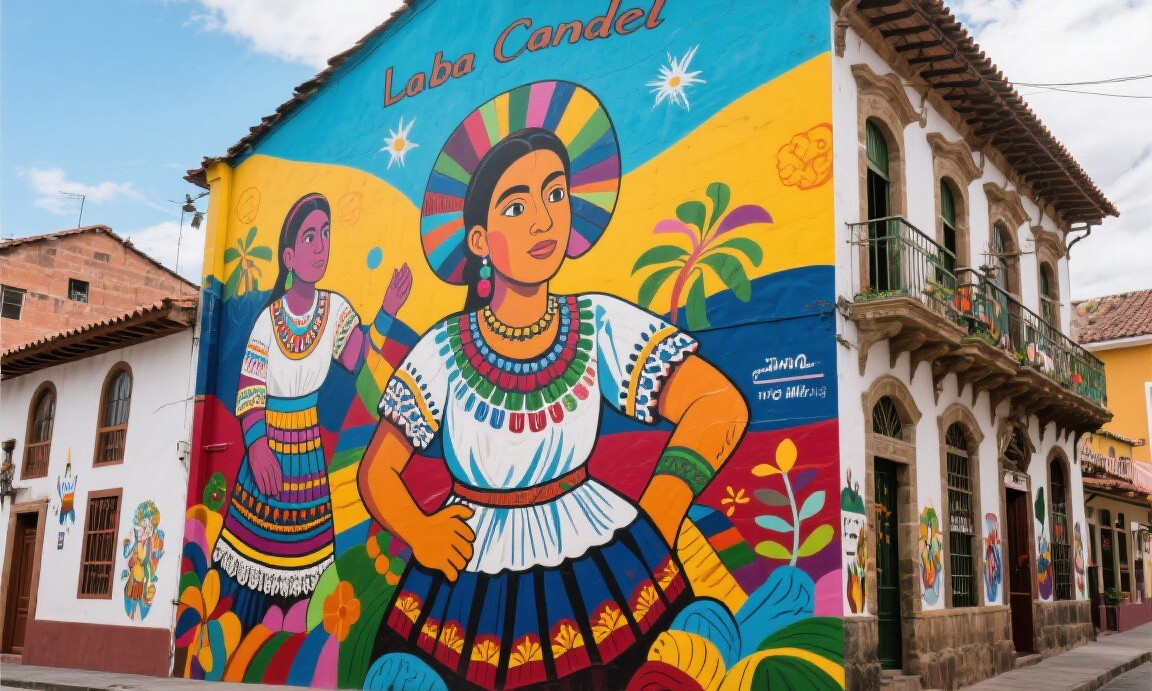
The La Candelaria neighborhood in Bogota is the historic center, full of colonial buildings, small museums, and some of the best street art I have ever seen. I took a free walking tour with a guide named Andres, who showed us murals that told the story of Colombia's civil conflict, its indigenous roots, and its ongoing peace process. One mural, painted on the side of a three-story building, depicted a woman's face made entirely of tropical flowers. The colors were so vivid they seemed to glow in the overcast light. Andres told us the artist was a woman named Ledania, and that she had grown up in La Candelaria during the worst years of the violence. The tour was free, and I tipped Andres 20,000 pesos ($5), which was the best $5 I spent in Bogota.
Cali, in the south, is the salsa capital of Colombia. I arrived on a Friday night, and the entire city was dancing. I went to a club called La Topa Tolondra in the San Antonio neighborhood, where the cover charge was 10,000 pesos ($2.50) and the dance floor was packed with people moving to live salsa music. The band was incredible, a group of eight musicians playing trombones, congas, and a stand-up bass, and the singer had a voice that cut through the noise like a blade. I cannot dance. A woman named Maria, who was there with her sister, took pity on me and spent an hour teaching me the basic steps. She laughed every time I stepped on her feet, which was often. A bottle of Aguila beer cost 4,000 pesos ($1). I stayed until 2 AM and took a taxi back to my hostel for 8,000 pesos ($2).
Six weeks in Colombia cost me $1,050, or about $25 per day. That included all accommodation, food, transportation within the country, activities, and a few nights out. Colombia is not the cheapest country in South America, but it offers more per dollar than almost anywhere else I have been. The food is extraordinary, the landscapes are dramatic, and the people are some of the warmest I have met anywhere in the world. If you go to Colombia, skip the all-inclusive resorts in Cartagena and head to the mountains. That is where the real country lives.
Budget travel expert who has visited 60+ countries on a shoestring budget. She shares practical tips to help anyone travel for less.
Related Reading
Explore more articles on this topic from our travel guides and tips.
-
1
Error Fares and Mistake Fares: How to Catch Them Before They Disappear Hotel & Flight Deals · May 3, 2026
-
2
Airbnb vs Hotels: Which Is Actually Cheaper in 2026 Hotel & Flight Deals · Apr 15, 2026
-
3
How to Get Free Upgrades on Flights Without Status Travel Hacks · May 7, 2026
-
4
Resort Fees Are Out of Control: How to Avoid Them Hotel & Flight Deals · Apr 21, 2026