Exploring the Yucatan Peninsula on a Shoestring Budget
The cenote was a hole in the ground, roughly 30 feet across, with roots hanging down from the jungle above like grasping fingers. I climbed down the slippery li...
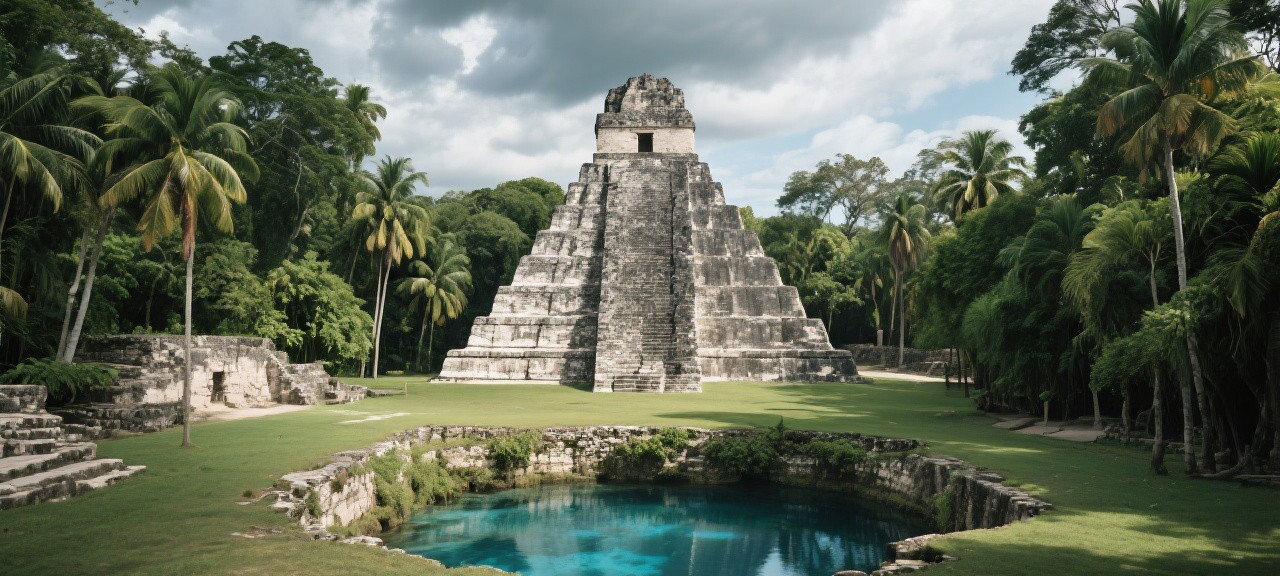
The cenote was a hole in the ground, roughly 30 feet across, with roots hanging down from the jungle above like grasping fingers. I climbed down the slippery limestone steps and emerged in an underground cavern filled with the clearest water I have ever seen. Stalactites hung from the ceiling, and shafts of light pierced through openings in the rock, illuminating the water in shades of blue that I did not know existed in nature. I swam to the center, floated on my back, and stared up at the ancient rock formations above me. The entrance fee was 50 Mexican pesos ($2.90). I was the only person there.
The Yucatan Peninsula in Mexico is one of the most rewarding budget destinations in the Americas. It has Mayan ruins, colonial cities, Caribbean beaches, and a network of thousands of cenotes, natural sinkholes filled with freshwater that the ancient Maya considered sacred. I spent two weeks exploring the Yucatan on a budget of $35 per day, and I felt like I was getting away with something because the experience was so rich for the price.
Mérida: The Cultural Heart of the Yucatan
Mérida, the capital of Yucatán state, was my base for the first five days. I stayed at a hostel called Casa del Maya in the historic center for 250 pesos ($14.50) per night in a private room with a fan and shared bathroom. The hostel had a rooftop terrace where I ate breakfast every morning, watching vultures circle above the cathedral in the main square.
Mérida's food scene is exceptional and cheap. The main market, Mercado Lucas de Gálvez, is a labyrinth of stalls selling everything from fresh fruit to handmade hammocks. I ate cochinita pibil, the Yucatecan specialty of slow-roasted pork marinated in achiote and bitter orange, from a stall called La Chaya Maya for 65 pesos ($3.80) per plate. The pork was tender enough to cut with a spoon, and it came with pickled red onions and habanero salsa that made my eyes water. I ate there four times in five days.
On Sundays, Mérida closes several streets around the main square for a massive street festival called Noche Mexicana. There is live music, dancing, food stalls, and crafts. I ate tamales for 15 pesos ($0.90) each and watched elderly couples dance to live mariachi music under the stars. The entire evening cost me about 100 pesos ($5.80) including three tamales and two beers.
Chichén Itzá, Tulum, and the Coast
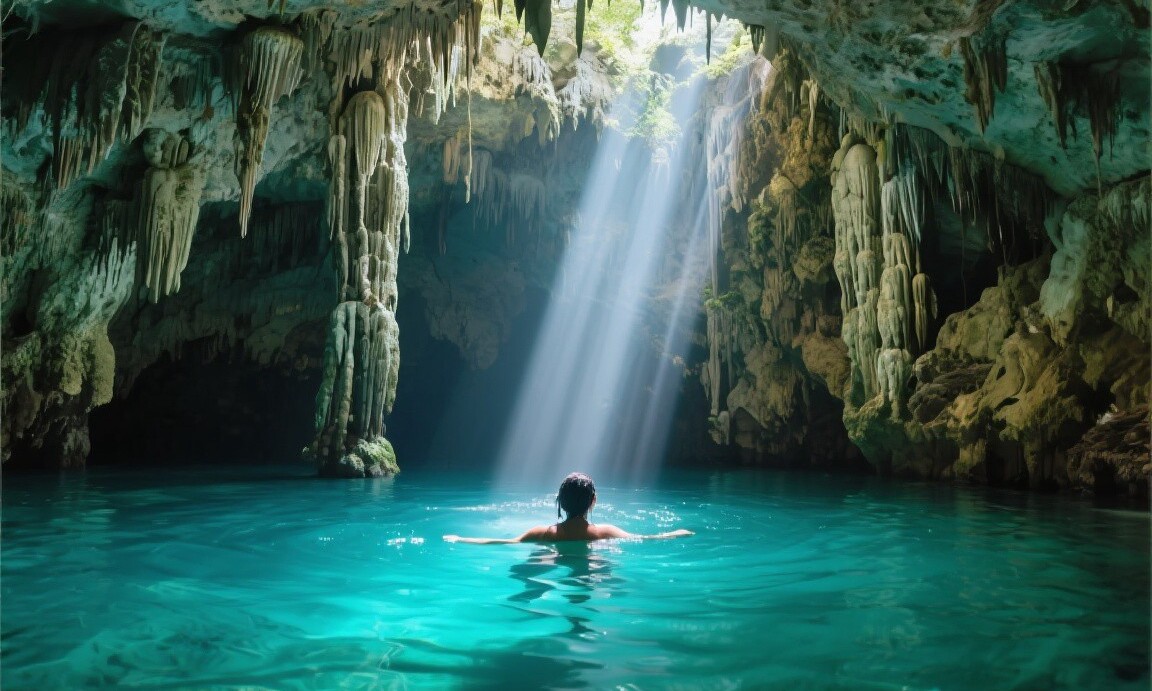
Chichén Itzá is the most famous Mayan ruin in Mexico, and it is expensive by Mexican standards: 573 pesos ($33) for foreigners. But I found a way to reduce the cost by visiting on a Sunday when the site is free for Mexican citizens, which means the crowds are larger but the atmosphere is more festive. I took a colectivo, a shared van, from Mérida to Chichén Itzá for 45 pesos ($2.60) each way. The colectivo left when it was full, which took about 20 minutes, and the journey was 90 minutes through flat Yucatecan countryside dotted with agave plants and small Maya villages.
Tulum is the most expensive part of the Yucatan, but it is still manageable on a budget if you stay away from the beachfront hotels. I stayed at a hostel called Mama's Home in Tulum town, 3 kilometers from the beach, for 200 pesos ($11.60) per night. The Tulum ruins, perched on a cliff above the Caribbean Sea, cost 100 pesos ($5.80) to enter and are small but stunning, especially at sunrise when the light hits the temple and turns it gold. I rented a bicycle for 50 pesos ($2.90) per day and rode to the beach, where I found a public access point near the ruins and spent the afternoon swimming in water so clear I could see the bottom 20 feet below.
The ADO bus system connects all major Yucatan destinations and is clean, safe, and cheap. Mérida to Tulum cost 310 pesos ($18). Tulum to Playa del Carmen cost 70 pesos ($4). Playa del Carmen to Cancún cost 50 pesos ($2.90). I never spent more than $18 on any single transport leg, and the buses had air conditioning, reclining seats, and movies.
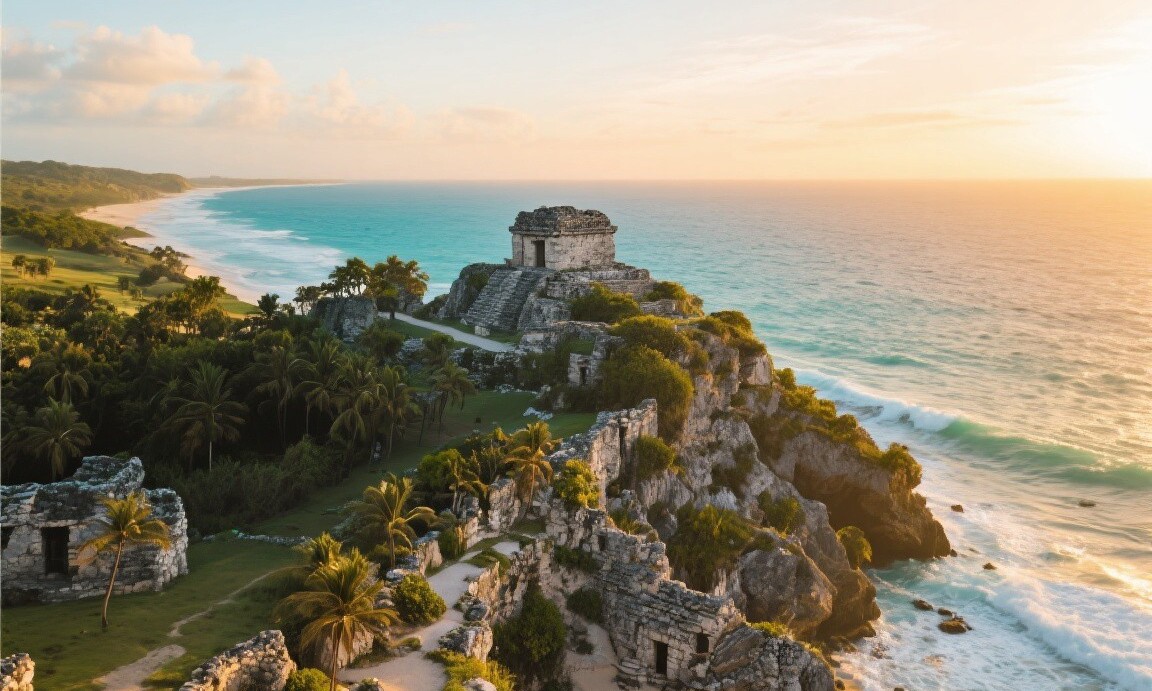
Two weeks in the Yucatan cost me $490, including accommodation, food, transport, all activities, and a few souvenirs. I swam in four cenotes, explored two Mayan ruin sites, ate some of the best food in Mexico, and spent days on Caribbean beaches that looked like screensavers. The Yucatan proves that Mexico is not just for resort tourists with unlimited budgets. With a little planning and a willingness to stay in hostels and eat where locals eat, the Yucatan delivers a world-class travel experience at backpacker prices.
Former airline analyst turned travel deal hunter. Tom knows every trick to find the cheapest flights and hotels.
Related Reading
Explore more articles on this topic from our travel guides and tips.
-
1
How I Traveled Japan for 21 Days on $1200 Budget Travel · May 10, 2026
-
2
7 Hidden Gems in Southeast Asia That Won't Break the Bank Destination Guides · Apr 24, 2026
-
3
Why Hostels Are Better Than You Think in 2026 Budget Travel · Apr 25, 2026
-
4
How to Get Free Upgrades on Flights Without Status Travel Hacks · May 7, 2026