The Ultimate Budget Guide to Portugal in 2026
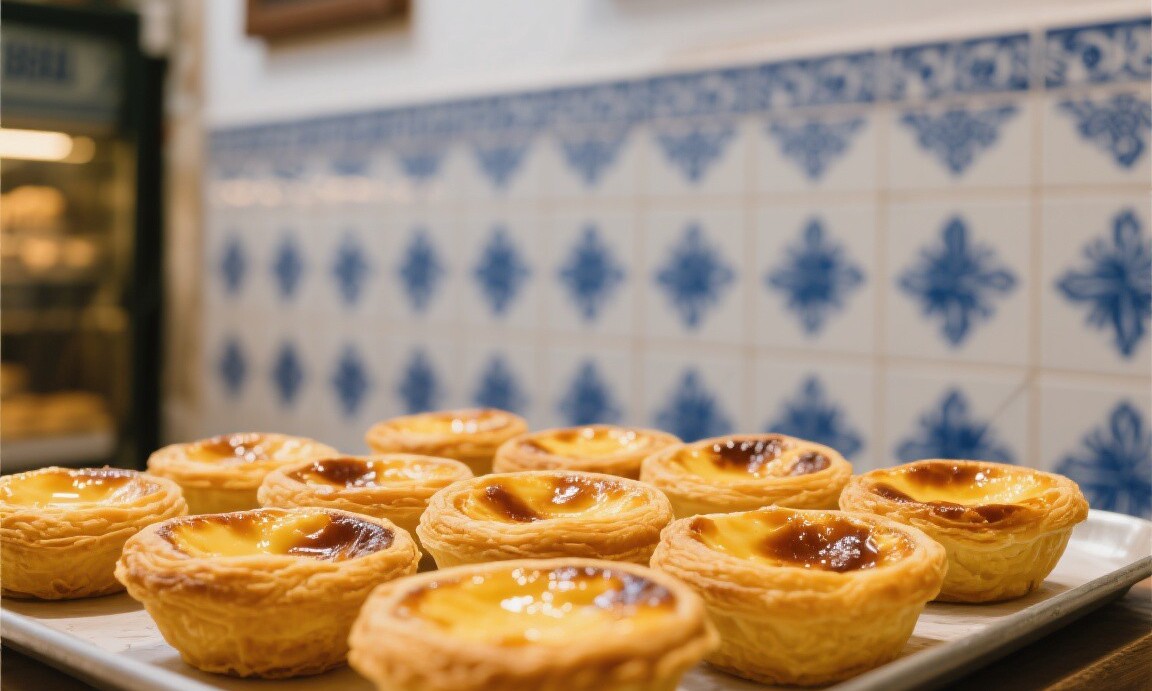
The pasteis de nata at Pastéis de Belém in Lisbon cost 1.10 euros ($1.19) each. I ordered six. The custard tarts arrived warm from the oven, the tops caramelize...
The pasteis de nata at Pastéis de Belém in Lisbon cost 1.10 euros ($1.19) each. I ordered six. The custard tarts arrived warm from the oven, the tops caramelized to a dark brown, the filling jiggling slightly when I touched the flaky crust with my fork. I sat at a marble table in the bakery that has been operating since 1837, surrounded by tile panels depicting the Portuguese Discoveries, and ate pastries that cost less than a cup of coffee at Starbucks. This is why Portugal is the best budget destination in Western Europe: the quality is extraordinary and the prices are a fraction of what you would pay in neighboring Spain or France.
I spent three weeks in Portugal, covering Lisbon, Sintra, Porto, the Algarve, and the Azores, on a daily budget of $45. That included accommodation, food, transport, and all activities. Portugal is not as cheap as it was five years ago, as tourism and expat immigration have driven prices up, but it still offers remarkable value for money compared to the rest of Western Europe.
Lisbon and Sintra
In Lisbon, I stayed at the Lisbon Destination Hostel, located inside the Rossio train station, for 18 euros ($19) per night in a dorm bed. The location was unbeatable, directly above the metro and train station, and the hostel had a bar, a terrace, and free walking tours. The free walking tour, led by a local guide named João, covered the Alfama district, the oldest neighborhood in Lisbon, and took three hours. João knew every tile panel, every fountain, and every hidden courtyard in the neighborhood, and he told stories about the 1755 earthquake that destroyed most of Lisbon and the Marquês de Pombal who rebuilt it.
Food in Lisbon is still affordable if you eat where locals eat. A bifana, a pork sandwich served on crusty bread with mustard, at a tasca called O Trevo costs 3.50 euros ($3.80). A Francesinha, Porto's famous sandwich layered with meats and covered in cheese and tomato sauce, at a restaurant in Porto called Café Santiago costs 8.50 euros ($9.20). A half-liter of house wine at a restaurant in the Alfama costs 2.50 euros ($2.70). I ate and drank well in Lisbon for under 20 euros ($21.50) per day.
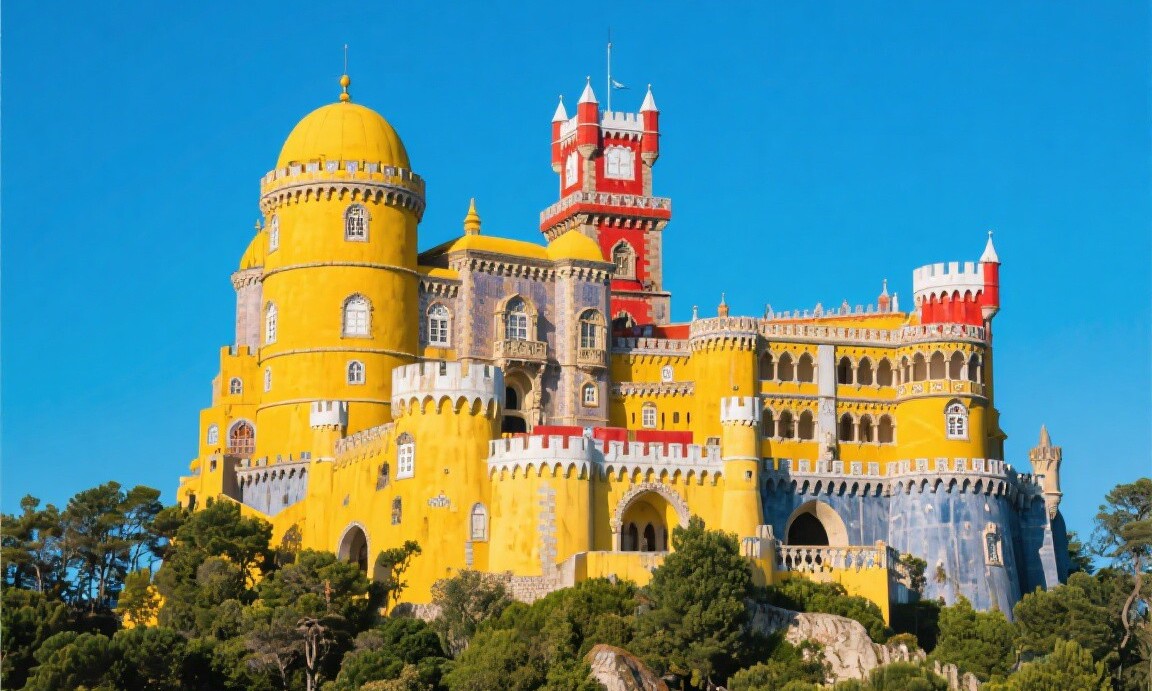
Sintra, the fairy-tale town 40 minutes from Lisbon by train, is a must-visit. The train costs 2.25 euros ($2.45) each way. The Pena Palace, a colorful Romanticist palace perched on a hilltop, costs 14 euros ($15) to enter and is worth every cent. The Moorish Castle, a ruined 10th-century fortification with views stretching to the Atlantic, costs 8 euros ($8.60). I hiked between the two sites through the Sintra-Cascais Natural Park, a forest of eucalyptus and pine trees, which was free and took about 45 minutes. The hike was as memorable as the palaces themselves.
Porto and the Algarve
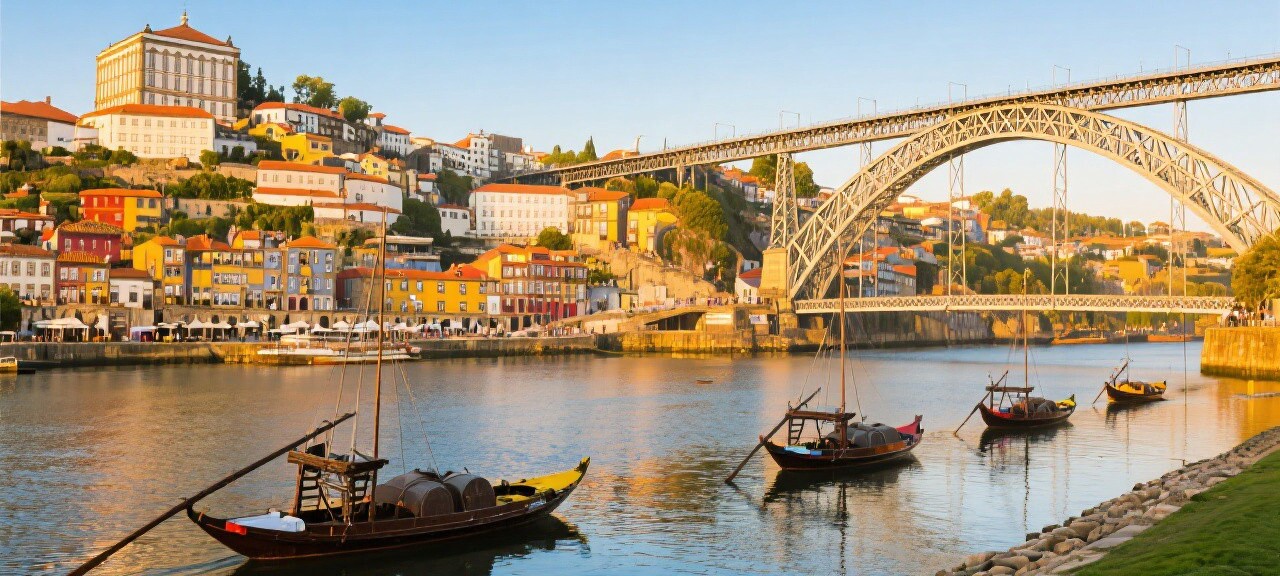
Porto, Portugal's second city, is smaller, cheaper, and in some ways more charming than Lisbon. I stayed at the Gallery Hostel for 16 euros ($17) per night, a converted townhouse with original tile floors and a rooftop terrace overlooking the Douro River. Porto's main attraction is the port wine cellars in Vila Nova de Gaia, across the river from the city center. A tasting at Taylor's Port, one of the oldest port houses, costs 15 euros ($16) and includes a tour of the cellars and three tastings. The view of Porto from Taylor's terrace, with the Dom Luís I Bridge and the Ribeira district in the background, is one of the best in Europe.
The Algarve, Portugal's southern coast, is famous for its beaches and dramatic cliffs. I based myself in Lagos, a town with a historic center and some of the most beautiful beaches in Europe. I stayed at the Rising Cock Hostel (yes, that is really its name) for 20 euros ($21.50) per night. Praia Dona Ana, a beach surrounded by golden limestone cliffs, was a 10-minute walk from my hostel. The beach was free, the water was crystal clear, and the cliffs provided natural shade in the afternoon. A grilled sardine dinner at a restaurant called Casinha do Petisco cost 12 euros ($13).
Transport within Portugal is cheap and efficient. The Rede Expressos bus connects all major cities for 12 to 25 euros ($13 to $27). The Alfa Pendular high-speed train from Lisbon to Porto costs 25 euros ($27) and takes 2 hours and 45 minutes. Local trains within the Algarve cost 3 to 7 euros ($3.25 to $7.50). I spent a total of 85 euros ($92) on transport during my three weeks, which is less than I would spend on a single tank of gas at home.
Three weeks in Portugal cost me $945, or $45 per day. I ate pastéis de nata until I was tired of them, drank port wine overlooking the Douro, swam on Algarve beaches, and explored fairy-tale palaces in Sintra. Portugal delivers a level of quality, in food, culture, scenery, and hospitality, that far exceeds its price. It is the best value destination in Western Europe, and it is not particularly close.
Former airline analyst turned travel deal hunter. Tom knows every trick to find the cheapest flights and hotels.
Related Reading
Explore more articles on this topic from our travel guides and tips.
-
1
How to Avoid Roaming Charges While Traveling Internationally Travel Hacks · May 7, 2026
-
2
Budget Weekend Getaways from Major US Cities Destination Guides · Apr 8, 2026
-
3
The Ultimate Guide to Finding Cheap Flights in 2026 Travel Hacks · Apr 23, 2026
-
4
Long-Term Stay Deals: How to Get Monthly Hotel Rates Hotel & Flight Deals · Apr 29, 2026