Airbnb vs Hotels: Which Is Actually Cheaper in 2026
I spent two weeks in Barcelona, one week in an Airbnb apartment and one week in a hotel, to settle the debate once and for all. The Airbnb was a one-bedroom apa...
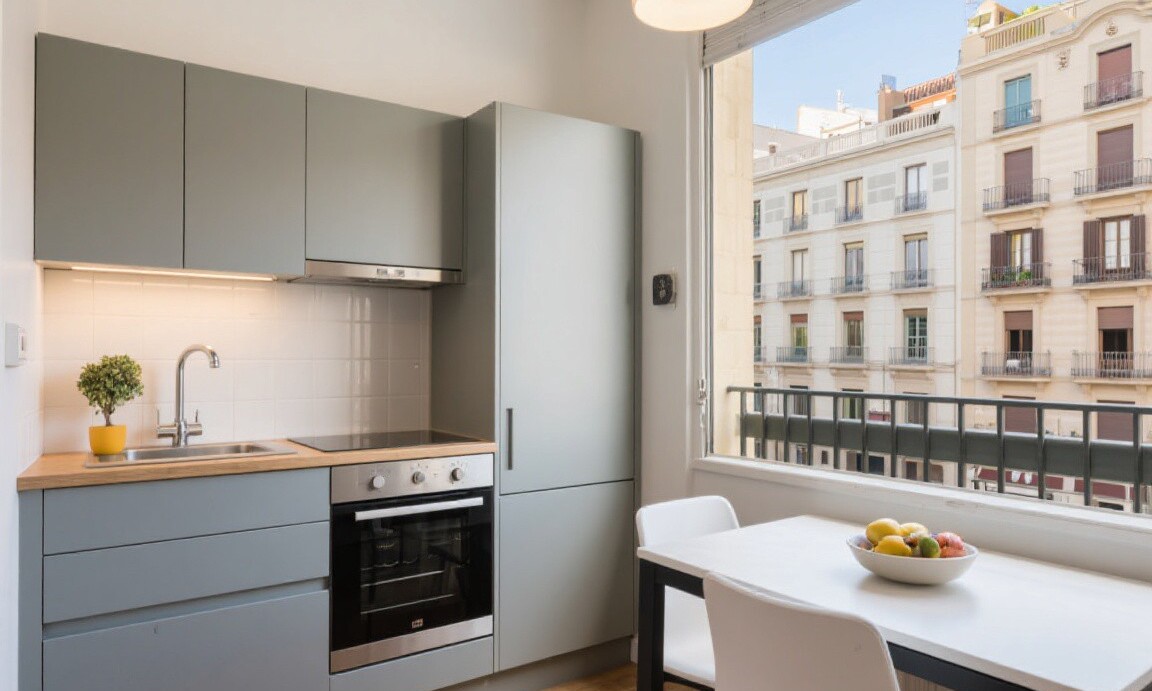
I spent two weeks in Barcelona, one week in an Airbnb apartment and one week in a hotel, to settle the debate once and for all. The Airbnb was a one-bedroom apartment in the Eixample district with a kitchen, washing machine, and a small balcony. It cost 75 euros ($81) per night including cleaning fees and the service charge. The hotel was the Hotel Jazz, a 4-star property in the same neighborhood, which cost 110 euros ($119) per night including taxes. But the total cost comparison was more nuanced than the nightly rate suggested.
Over seven nights, the Airbnb cost 525 euros ($567) and the hotel cost 770 euros ($832). The Airbnb saved me 245 euros ($265) on accommodation alone. But I also saved money on food because the Airbnb had a kitchen. I cooked breakfast and two dinners in the apartment, spending about 40 euros ($43) on groceries for those meals. The equivalent restaurant meals would have cost about 80 euros ($86). So the total Airbnb advantage was 285 euros ($308) over seven nights, or about 40 euros ($43) per night.
When Airbnb Wins
Airbnb is cheaper than hotels in three specific scenarios. First, for stays of five nights or more, where the nightly rate drops significantly and the kitchen becomes a real money-saving tool. In Lisbon, I rented an Airbnb apartment for a month at 22 euros ($24) per night, compared to 55 euros ($59) per night for the cheapest hotel in the same area. The kitchen saved me an additional 200 euros ($216) on food over the month. The total Airbnb advantage was over 1,000 euros ($1,080).
Second, Airbnb wins for groups and families. A family of four needs at least two hotel rooms, which doubles the accommodation cost. An Airbnb apartment with two bedrooms often costs less than a single hotel room. In Paris, I traveled with two friends and we rented a two-bedroom Airbnb in the Marais district for 130 euros ($140) per night. Three hotel rooms in the same area would have cost 300 to 450 euros ($324 to $486) per night. The Airbnb saved us 170 to 320 euros ($184 to $346) per night.
Third, Airbnb wins in cities where restaurant prices are high. Having a kitchen in cities like London, Paris, Stockholm, and Zurich, where a simple restaurant meal costs $20 to $30, can save $15 to $25 per day on food. The kitchen advantage is smaller in cities where street food and cheap restaurants are abundant, like Bangkok or Mexico City, where a meal costs $2 to $5 regardless of where you eat.
When Hotels Win
Hotels are cheaper for short stays, one to three nights, where the Airbnb service fee and cleaning fee make the per-night cost uncompetitive. In Rome, I needed a place for two nights. The cheapest Airbnb with acceptable reviews was 85 euros ($92) per night plus a 50 euro ($54) cleaning fee, which worked out to 110 euros ($119) per night. A hotel near Termini Station cost 70 euros ($76) per night with no additional fees. For two nights, the hotel saved me 80 euros ($86).
Hotels also win when you factor in the value of hotel-specific amenities. Daily housekeeping, a concierge, a lobby bar, room service, and a front desk that can help with directions and reservations are all things that Airbnb does not provide. If you value these amenities, the effective price difference between a hotel and an Airbnb is smaller than the nightly rate suggests. A hotel with free breakfast that would cost 15 euros ($16) at a cafe is effectively 15 euros cheaper than its listed rate.
Reliability is another hotel advantage. When you book a hotel, you know what you are getting: a standardized room, consistent service, and a clear cancellation policy. Airbnb listings can be misleading. Photos are sometimes outdated, the actual apartment can be smaller or less nice than the listing suggests, and the location might not be as convenient as described. I have had two bad Airbnb experiences in 30 bookings, which is a 7 percent failure rate. I have never had a bad hotel experience where the room did not match the description. The hotel's brand and reputation provide a level of quality assurance that Airbnb cannot match.
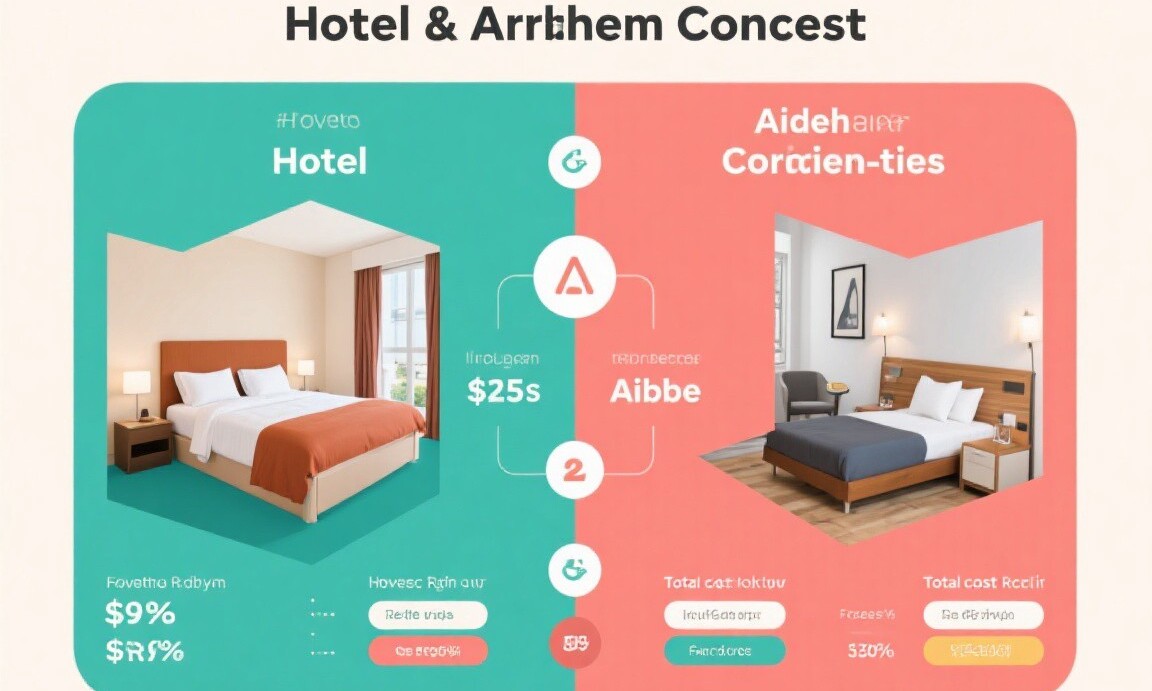
The Airbnb vs hotel debate is not a simple one. For long stays, groups, and cities with expensive restaurants, Airbnb is usually cheaper. For short stays, solo travelers, and situations where reliability and amenities matter, hotels are often the better value. My approach is to use both: Airbnb for stays of a week or more, and hotels for shorter stays or when I want the convenience and consistency that only a hotel can provide. The key is to compare the total cost, including fees, food savings, and amenity value, rather than just the nightly rate.
Hotel reviewer and luxury travel on a budget specialist. Jake proves you don't need to spend a fortune for a great trip.
Related Reading
Explore more articles on this topic from our travel guides and tips.
-
1
The Best Hotel Loyalty Programs Ranked by Value in 2026 Hotel & Flight Deals · Apr 9, 2026
-
2
The Best Budget Travel Apps I Use Every Single Trip Budget Travel · Apr 26, 2026
-
3
The Best Times to Book Hotels for Maximum Savings Hotel & Flight Deals · Apr 26, 2026
-
4
Error Fares and Mistake Fares: How to Catch Them Before They Disappear Hotel & Flight Deals · May 3, 2026