The $500 a Month Digital Nomad Guide to Bali
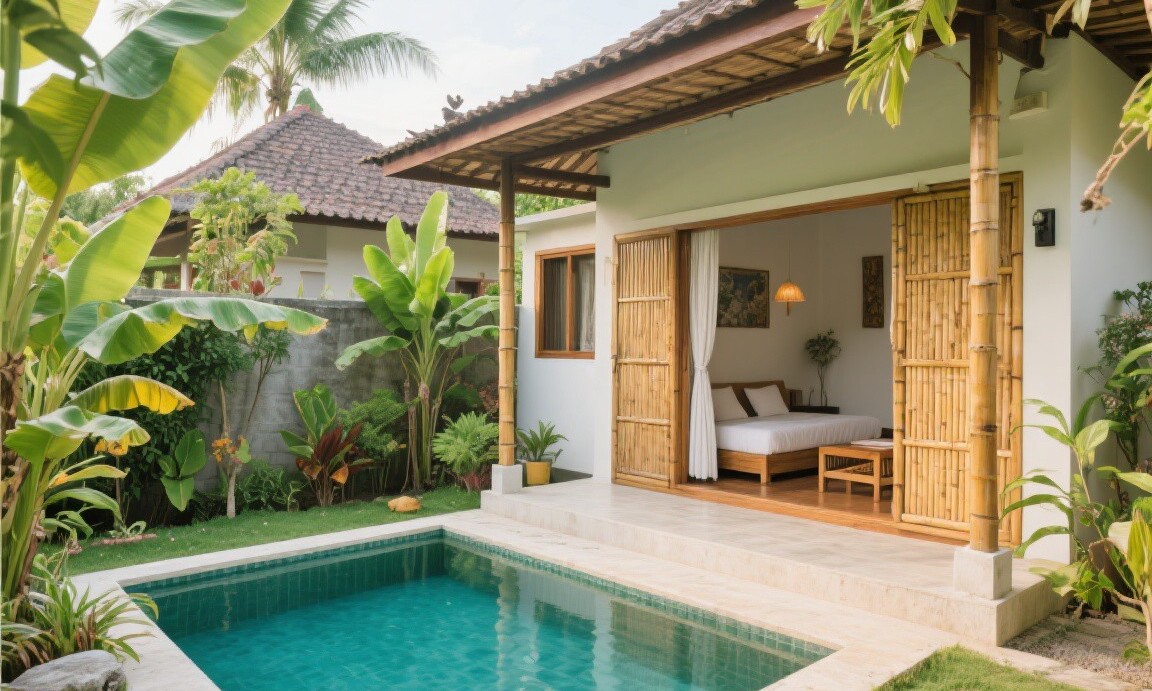
I rented a villa in Canggu, Bali, for $180 per month. It had a private pool, a kitchen, air conditioning in the bedroom, a garden with frangipani trees, and a h...

I rented a villa in Canggu, Bali, for $180 per month. It had a private pool, a kitchen, air conditioning in the bedroom, a garden with frangipani trees, and a housekeeper who came three times a week. The villa was 200 meters from Echo Beach, one of Bali's best surf spots, and a five-minute walk from a coworking space called Dojo that charged $150 per month for unlimited hot-desk access. My total fixed costs for the month were $330 for rent and coworking, leaving $170 for food, transport, and everything else. I was living better in Bali for $500 a month than I had been living in San Francisco for $4,000.
Bali has been a digital nomad hub for over a decade, and the infrastructure has matured to the point where working remotely there is seamless. Fast internet, reliable electricity, affordable healthcare, and a large community of like-minded remote workers make Bali one of the easiest places in the world to be a digital nomad. Here is my complete breakdown of how to live there on $500 a month.
Accommodation: Villas and Guesthouses
Bali's accommodation market is the most competitive I have seen anywhere. The supply of villas and guesthouses vastly exceeds the demand from long-term renters, which means prices are incredibly low. In Canggu, a one-bedroom villa with a private pool costs $200 to $400 per month on a long-term lease. In Ubud, the cultural capital of Bali, a room in a guesthouse with a garden view costs $150 to $250 per month. In Sanur, a quieter beach town on the east coast, a two-bedroom apartment near the beach costs $250 to $350 per month.
I found my villa through a Facebook group called "Bali Long Term Rentals." The group has over 100,000 members and posts new listings daily. I contacted the owner directly, negotiated the price down from $220 to $180 per month by offering to pay three months upfront in cash, and moved in the next day. The villa was not luxury by Western standards, the kitchen was basic and the WiFi was spotty, but the pool, the garden, and the location more than compensated. I ended up staying for four months.
For shorter stays, Airbnb and Booking.com work well but are more expensive. A villa that costs $180 per month on a long-term lease might cost $30 to $40 per night on Airbnb, which works out to $900 to $1,200 per month. The lesson is clear: if you are staying more than four weeks, always negotiate directly with the owner. The savings are enormous.
Food, Transport, and Daily Life
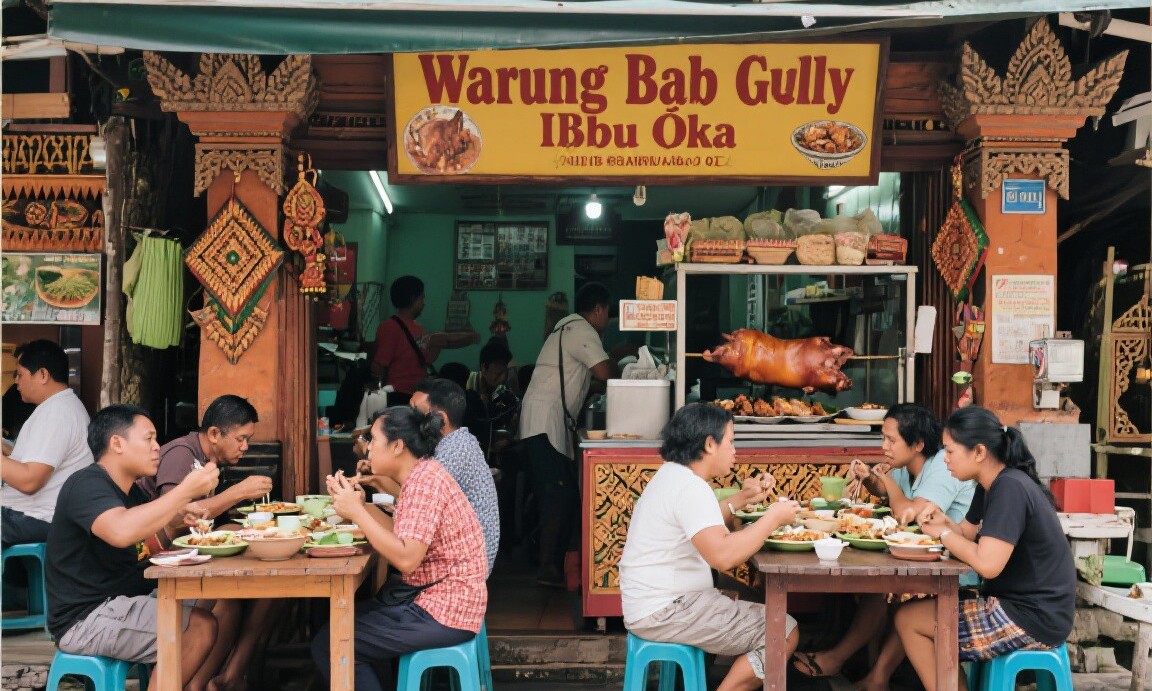
Bali's food is one of its greatest budget advantages. A meal at a warung, a local Indonesian restaurant, costs 15,000 to 30,000 rupiah ($1 to $2). Nasi campur, a plate of rice with various dishes, at a warung called Warung Babi Guling Ibu Oka in Ubud, made famous by Anthony Bourdain, costs 50,000 rupiah ($3.20). A cup of Balinese coffee at a local cafe costs 10,000 to 15,000 rupiah ($0.65 to $1). Western food is more expensive, with a burger and fries at a cafe in Canggu costing 60,000 to 80,000 rupiah ($3.85 to $5.15).
I cooked about half my meals in my villa's kitchen. Ingredients from the local pasar, the traditional market, were incredibly cheap. A kilogram of rice cost 10,000 rupiah ($0.65). Fresh vegetables cost 5,000 to 15,000 rupiah ($0.32 to $1) per portion. Chicken breast cost 35,000 rupiah ($2.25) per kilogram. I spent about 300,000 rupiah ($19) per week on groceries, which covered breakfast and dinner for seven days. Lunch was usually at a warung near my coworking space, costing 25,000 to 35,000 rupiah ($1.60 to $2.25). My total monthly food cost was about $120.
Transport in Bali is dominated by motorbikes. Renting a scooter costs 500,000 to 700,000 rupiah ($32 to $45) per month. Gas costs 15,000 rupiah ($1) to fill the tank, which lasts about a week. I rode my scooter everywhere: to the coworking space, to the beach, to the supermarket, to restaurants. The traffic in Canggu can be chaotic, but the distances are short and the roads are generally good. For those who do not want to ride, GoJek, Indonesia's version of Uber, charges 15,000 to 30,000 rupiah ($1 to $2) for short rides within Canggu.
My total monthly spend in Bali was $487, broken down as: accommodation $180, coworking $150, food $120, transport $25, miscellaneous $12. That included a comfortable villa, fast internet, excellent food, and a social life that revolved around the coworking community, beach sunsets, and weekend excursions to waterfalls and temples. Bali on $500 a month is not a survival budget. It is a lifestyle that most people in the West could not afford at home. The only thing missing was the $4,000 rent check.
Former airline analyst turned travel deal hunter. Tom knows every trick to find the cheapest flights and hotels.
Related Reading
Explore more articles on this topic from our travel guides and tips.
-
1
Travel Booking Sites Compared: Which One Actually Has the Best Deals Travel Hacks · Apr 20, 2026
-
2
How to Find Last-Minute Hotel Deals That Are Actually Good Hotel & Flight Deals · Apr 24, 2026
-
3
How I Traveled Japan for 21 Days on $1200 Budget Travel · May 10, 2026
-
4
The Ultimate Budget Guide to Portugal in 2026 Destination Guides · Apr 23, 2026