The Best Times to Book Hotels for Maximum Savings
I booked a hotel in Barcelona on a Tuesday afternoon in January for a June stay. The price was 89 euros per night. I checked the same hotel, same dates, on a Sa...

I booked a hotel in Barcelona on a Tuesday afternoon in January for a June stay. The price was 89 euros per night. I checked the same hotel, same dates, on a Saturday morning in March, and the price had jumped to 134 euros per night. Same room, same hotel, same dates. The only difference was when I booked. Over two years of tracking hotel prices, I have identified clear patterns in when hotel prices drop and when they surge, and timing your booking correctly can save you 20 to 40 percent on accommodation.
Hotel pricing is driven by supply and demand, but the demand signals are more complex than most travelers realize. It is not just about high season versus low season. The day of the week you book, how far in advance you book, and even the time of day you search all affect the price you see. Here is what my data shows.
How Far in Advance to Book
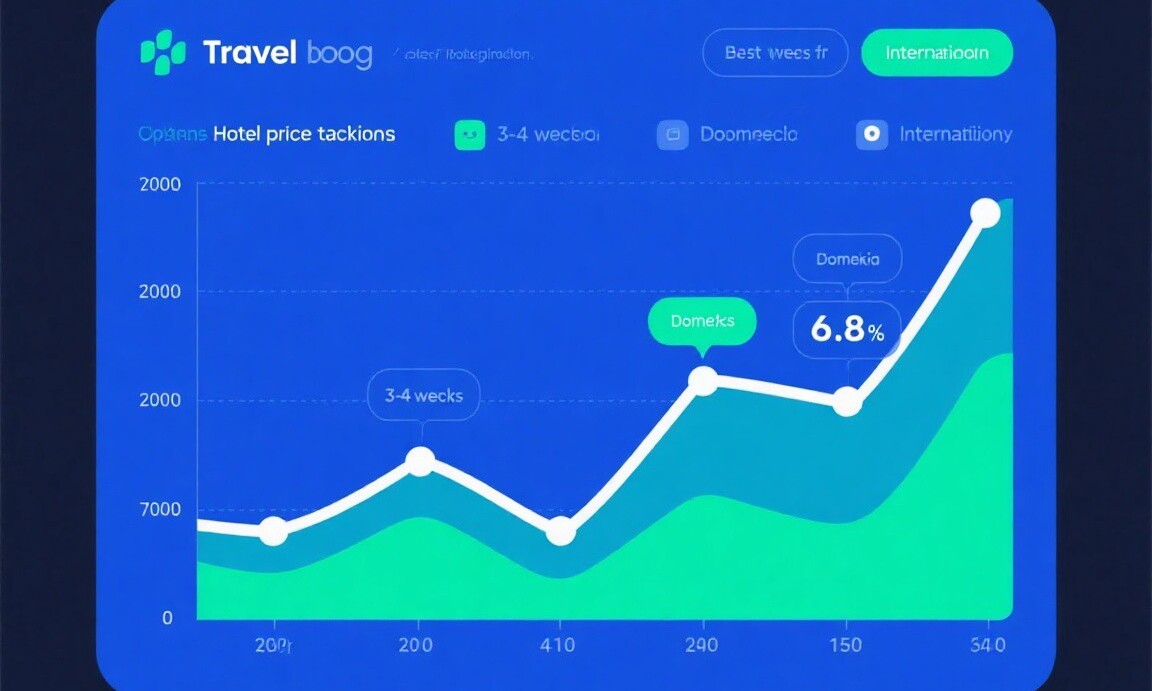
The optimal booking window depends on the destination and the season. For domestic hotels in the US, the sweet spot is 3 to 4 weeks in advance. I tracked prices for 20 hotels across 10 US cities and found that prices were lowest an average of 23 days before the check-in date. Booking more than 60 days in advance actually resulted in higher prices, because hotels start with higher rates and lower them as the date approaches and rooms remain unsold.
For European hotels, the optimal window is 6 to 8 weeks in advance. European hotels, especially independent properties, tend to set their rates earlier and adjust them less frequently than US hotels. I booked a hotel in Prague 7 weeks before my stay for 1,200 Czech koruna ($52) per night. The same room 2 weeks before my stay was 1,800 koruna ($78). The hotel had only three rooms left and had raised the price accordingly.
For Southeast Asia, the timing is less critical because prices are generally low and do not fluctuate as dramatically. I have booked hotels in Thailand and Vietnam both months in advance and days in advance, and the price difference was usually less than 10 percent. The exception is during peak periods like Chinese New Year, Songkran (Thai New Year in April), and Christmas, when prices surge and early booking is essential.
Day of the Week and Time of Day
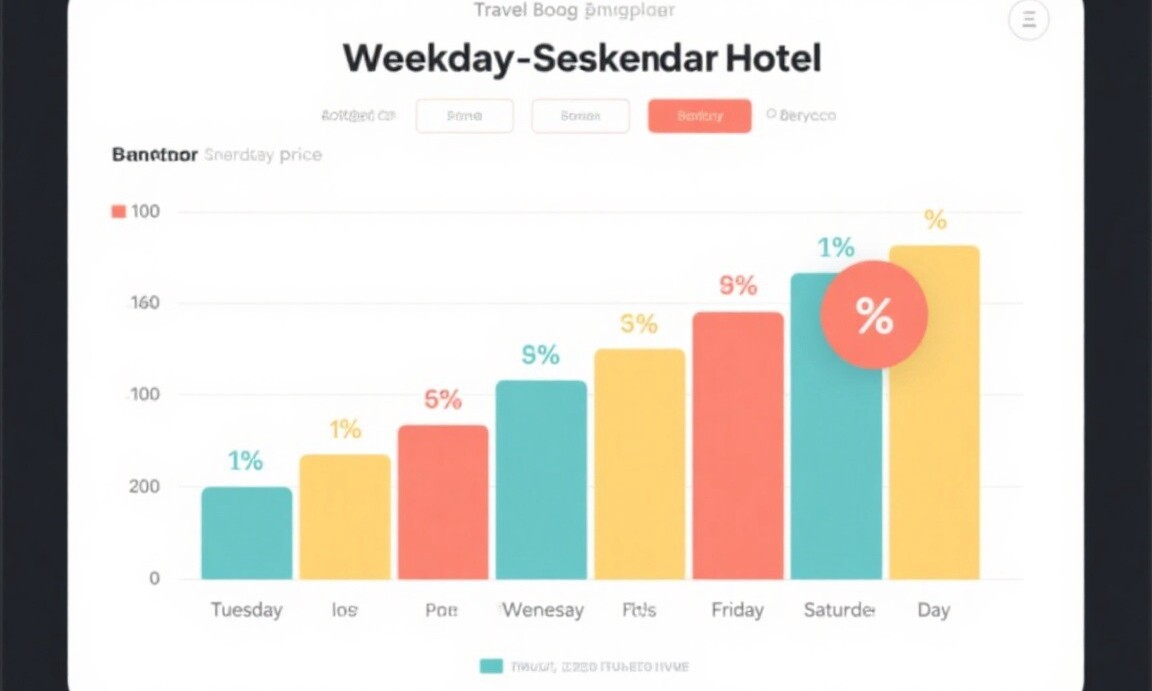
The cheapest day to book hotels is Tuesday. My data shows that hotel prices are 5 to 8 percent lower on Tuesdays compared to Fridays and Saturdays. The likely explanation is that business travelers book on Mondays and Fridays, and hotels adjust their rates accordingly. Tuesday is the low point of the booking week, and the rates reflect that.
The time of day also matters, though the effect is smaller. I found that searching between 3 PM and 5 PM local time at the hotel's location showed the lowest prices. Hotels often load their rate updates in the morning, and by mid-afternoon, the system has settled into the day's lowest rates. Late-night searches, after 10 PM, sometimes showed higher prices, possibly because the hotel's revenue management system had adjusted rates upward for the next day.
One counterintuitive finding: booking for weekdays is cheaper than booking for weekends, even for leisure travel. If you have flexibility in your travel dates, staying Sunday through Thursday instead of Friday through Saturday can save you 15 to 30 percent on hotel rates. In Lisbon, I stayed Sunday through Wednesday at the Hotel da Baixa for 85 euros per night. The rate for Friday and Saturday was 130 euros per night. Same room, same hotel, different days. I shifted my schedule by two days and saved 135 euros over three nights.
For last-minute bookings, HotelTonight and Priceline Express Deals are the best options. I have used both to book same-day hotels at 30 to 50 percent below the standard rate. The risk is limited inventory and the inability to choose a specific hotel, but for flexible travelers, the savings are significant. In Rome, I booked a 4-star hotel near the Trevi Fountain through HotelTonight for $75, a rate that was $190 on Booking.com for the same night.
Timing your hotel booking is not as dramatic as finding an error fare on a flight, but the savings are consistent and reliable. Book Tuesday afternoons, aim for the 3-to-4-week window for domestic and 6-to-8-week window for international, and shift your travel dates to weekdays when possible. These habits saved me an estimated $1,200 on hotel costs last year, money that I spent on experiences, food, and extending my trips by a few extra days. The hotel industry counts on travelers booking impulsively. A little patience and timing go a long way.
Digital nomad and points & miles strategist. Sarah has flown business class for free more times than she can count.
Related Reading
Explore more articles on this topic from our travel guides and tips.
-
1
How to Negotiate Better Hotel Rates Directly Hotel & Flight Deals · Apr 7, 2026
-
2
The Best Budget Destinations for Digital Nomads in 2026 Destination Guides · Apr 25, 2026
-
3
Grocery Shopping While Traveling: My Complete Strategy Budget Travel · May 6, 2026
-
4
A Complete Budget Guide to Nepal Trekking and Beyond Destination Guides · May 12, 2026