Grocery Shopping While Traveling: My Complete Strategy
I was standing in a Billa supermarket in Vienna, staring at a wall of yogurt that had 47 different varieties, trying to figure out which one said "plain" in Ger...
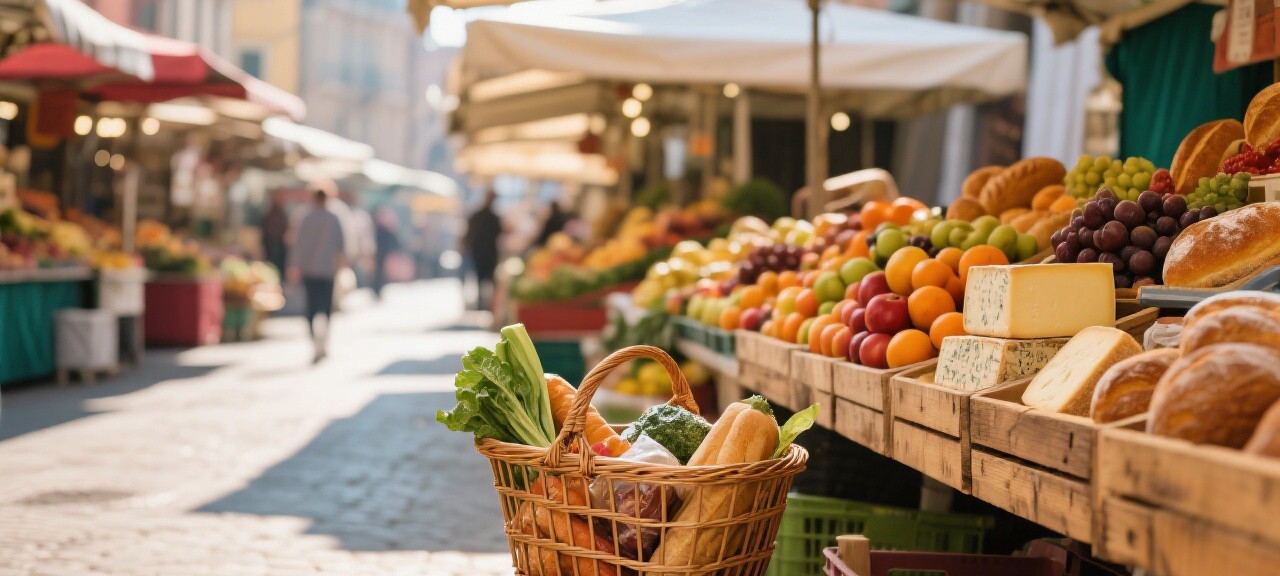
I was standing in a Billa supermarket in Vienna, staring at a wall of yogurt that had 47 different varieties, trying to figure out which one said "plain" in German. The woman next to me, a gray-haired lady with a shopping cart full of exactly the same items she probably bought every week, noticed my confusion and pointed to the one I needed. "Natur," she said. "Natural. No sugar." I bought four of them and ate them with granola from the bulk bin for breakfast every morning that week, saving roughly $45 compared to eating at cafes.
Grocery shopping abroad saved me over $2,000 on my last extended trip, a three-month journey through Europe and Southeast Asia. That is not an exaggeration. I tracked every food expense, and the difference between eating every meal at restaurants versus a combination of grocery shopping and strategic restaurant meals was stark. Here is exactly how I approach grocery shopping in foreign countries, from finding the right stores to navigating unfamiliar products.
Finding the Right Stores
Not all grocery stores are created equal, and in many countries, the store that locals use is not the one tourists stumble upon. In Europe, I learned to look for discount chains like Aldi, Lidl, Penny Markt (Germany), Biedronka (Poland), and Mercadona (Spain). These stores offer prices that are 30 to 50 percent below the major chains like Tesco, Carrefour, or Rewe. In Prague, shopping at Billa cost me about $40 per week for basic groceries. Shopping at Lidl, a ten-minute walk further, cost me $25 for the same items.
In Southeast Asia, the strategy is different. Wet markets, open-air markets where vendors sell fresh produce, meat, and fish, are where the real savings are. In Chiang Mai, Thailand, I shopped at the Warorot Market, a covered market near the Ping River where a kilogram of mangoes cost 40 baht ($1.15) and a bunch of fresh basil cost 10 baht ($0.28). The same mangoes at a modern supermarket like Rimping cost 120 baht ($3.40). The wet market required more effort, haggling, and dealing with language barriers, but the savings were enormous.
In Japan, I discovered that 7-Eleven, FamilyMart, and Lawson, the three major konbini chains, are legitimate grocery stores. They sell fresh bread, onigiri, salads, sandwiches, and even small containers of prepared meals for 200 to 500 yen ($1.25 to $3.15). I ate breakfast from 7-Eleven every morning in Tokyo and spent less than $2 per meal. The egg sandwich, tamago sando, became a daily ritual.

What to Buy and How to Cook
My grocery strategy focuses on breakfast and lunch, leaving dinner as the meal I eat out. For breakfast, I buy yogurt, granola, fruit, and bread. For lunch, I assemble simple meals: bread with cheese and tomatoes, rice with canned beans and vegetables, or pasta with a jarred sauce. These meals cost $2 to $4 to prepare and are ready in ten minutes using hostel kitchen facilities.
The social aspect of grocery shopping abroad is something I have come to appreciate. In Italian supermarkets, the deli counter is a place of performance. The person behind the counter will offer you a taste of prosciutto before slicing it, and you are expected to engage in a brief conversation about the quality of the meat. In Japan, the staff at the supermarket will bow as you enter and exit, and the packaging of even the simplest items is done with care and precision.
In Mexico, I learned to navigate the mercado by following the locals. The best vendors are the ones with the longest lines. At the Mercado de San Juan in Mexico City, I found a stall that sold nothing but chiles, hundreds of varieties in baskets and hanging from the ceiling. The vendor, a woman named Rosa with hands stained red from handling dried chiles, explained the difference between guajillo, ancho, and pasilla. I bought a bag of each for 50 pesos ($2.50) total and used them to make mole in my Airbnb kitchen.
The key is knowing what to buy in each country. In Italy, I buy pecorino cheese, fresh bread, and prosciutto from the deli counter of a local supermarket. A week's worth of lunch ingredients costs about 15 euros ($16). In Mexico, I buy tortillas, avocado, queso fresco, and salsa from a mercado for about 80 pesos ($4.50) and make tacos in the hostel kitchen. In Portugal, I buy a baguette, a round of queijo flamengo cheese, and a bottle of vinho verde for under 8 euros ($8.60) and picnic on the beach.
Hostel kitchens vary wildly in quality. Some have full stoves, ovens, and enough pots and pans to run a restaurant. Others have a single hot plate and a dull knife. I always travel with a spork, a small cutting board, and a pocket knife, which means I can prepare food even in the most basic kitchen. I also carry a reusable water bottle and a small container for leftovers, which reduces waste and saves money on drinks and snacks during the day.

Grocery shopping while traveling is not about eating boring food or missing out on local cuisine. I still eat dinner at local restaurants every night, often spending more on that single meal than I spent on breakfast and lunch combined. The point is strategic allocation: spend your food budget on the experiences that matter, like a bowl of pho at a street stall in Hanoi or a plate of tagine in Marrakech, and save on the meals that do not need to be memorable, like breakfast in a hostel kitchen. This approach saved me $2,000 in three months without sacrificing a single memorable meal.
Hotel reviewer and luxury travel on a budget specialist. Jake proves you don't need to spend a fortune for a great trip.
Related Reading
Explore more articles on this topic from our travel guides and tips.
-
1
A Week in Morocco on a Backpacker Budget Destination Guides · Apr 1, 2026
-
2
The Best Hotel Loyalty Programs Ranked by Value in 2026 Hotel & Flight Deals · Apr 9, 2026
-
3
Budget Travel in South Korea: Seoul and Beyond Destination Guides · Apr 17, 2026
-
4
Layover Hacks: Turning a Boring Wait Into a Free Mini Vacation Travel Hacks · Apr 3, 2026