Turkey on a Budget: Istanbul and Beyond for Less
The call to prayer echoed across Istanbul as I stood on the Galata Bridge at dawn, watching fishermen cast lines into the Golden Horn. The air smelled of simit...
The call to prayer echoed across Istanbul as I stood on the Galata Bridge at dawn, watching fishermen cast lines into the Golden Horn. The air smelled of simit bread and strong Turkish tea, mixed with the salt breeze from the Bosphorus. This was my first day in Turkey, and I had exactly $900 to last three weeks. I was determined to make every dollar count while experiencing everything this country had to offer.
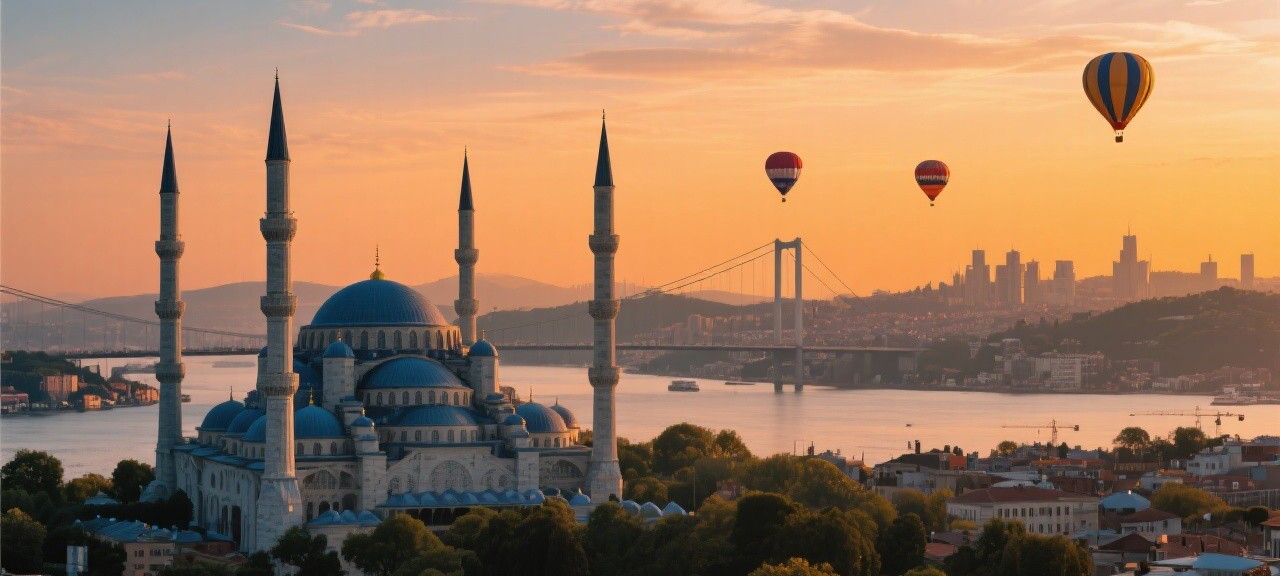
Istanbul greeted me with sensory overload. The Blue Mosque's six minarets pierced the sky as I approached, removing my shoes to step onto carpets that had absorbed centuries of prayers. Inside, the dome soared above me, decorated with thousands of blue Iznik tiles that gave the mosque its name. Light filtered through stained glass windows, painting the floor in jewel tones. I sat in contemplation for an hour, watching worshippers come and go, feeling the weight of history in every stone.
Getting Lost in the Grand Bazaar
The Grand Bazaar swallowed me whole within minutes of entering. Four thousand shops spread across sixty streets, sixty covered passages, each turn revealing another world of color, sound, and scent. I had no map, no plan, and no desire for either. Getting lost here was not a mistake—it was the entire point.
I found myself in a carpet shop no bigger than a closet, tucked away in a corner I'd never find again. The elderly man behind the counter, Mehmet, insisted I share his tea before discussing business. His fingers traced the patterns of a crimson rug as he told me about his grandfather who wove it in 1952, working for fourteen months to complete the piece. The tea was strong and sweet, served in a tulip-shaped glass that burned my fingers.
"No buy, no problem," he laughed, refilling my glass without asking. "You are my guest." We sat for over an hour while he showed me faded photographs of his grandchildren, complained about tourists who only wanted selfies with his carpets, and shared stories of the bazaar's golden age. When I finally stood to leave, he pressed a small evil eye charm—nazar—into my palm. "For safe journey," he said, refusing payment. That charm still hangs on my backpack, three years later, a reminder of Turkish generosity.
The spice market was next, a sensory assault of saffron, sumac, and dried apricots. Vendors called out in a dozen languages, offering samples of Turkish delight that melted on my tongue. I bought a small bag of pistachios and ate them while watching the organized chaos of commerce that had continued unchanged for centuries.

Cappadocia: Sunrise Above the Fairy Chimneys
The overnight bus from Istanbul dropped me in Goreme at 4 AM, shivering in the desert cold despite my jacket. By 5:30, I was floating in a hot air balloon basket with twelve strangers from six countries, watching the sun paint the rock formations in shades of rose gold and amber. The pilot, a weathered Australian named Dave who'd been flying these skies for fifteen years, pointed out cave churches carved by Byzantine monks in the 10th century, their frescoes still visible in the morning light.
"See that pigeon house?" he gestured to a hollowed-out rock formation below us. "Families used to collect the droppings for fertilizer. Now it's a boutique hotel charging 300 euros a night." We laughed, but the view silenced us immediately. Below, hundreds of colorful balloons drifted like bubbles over the lunar landscape, their shadows dancing across the valleys. The champagne toast after landing felt earned, not touristy, as we celebrated surviving the flight and witnessing something extraordinary.
That evening, I stayed in a cave hostel for $12, sleeping in a room carved into volcanic rock that had been inhabited for thousands of years. The owner, a Kurdish woman named Leyla, cooked us dinner on an open fire in the courtyard. We ate lentil soup and fresh flatbread while she told stories of growing up in these caves before tourism transformed her village, before the roads came, before the world discovered Cappadocia's magic.
I spent three days hiking through Love Valley, its phallic rock formations creating surreal landscapes at every turn. The underground city of Derinkuyu, eight levels deep, showed me how early Christians hid from Roman persecution. I crawled through tunnels, descended staircases carved by hand, and emerged with a new appreciation for human resilience.

Three weeks in Turkey cost me $847, including everything—flights from Europe, accommodation, food, activities, and the occasional splurge. I ate fresh fish sandwiches by the Bosphorus, explored underground cities built by early Christians, soaked in thermal pools at Pamukkale, and watched whirling dervishes spin into trance states. The secret wasn't cutting corners or missing experiences—it was saying yes to unexpected invitations, eating where locals ate, staying in family-run guesthouses, and accepting that getting lost was part of the adventure. Turkey taught me that the best travel experiences rarely come with a price tag, and that hospitality is a universal language spoken with tea, smiles, and small kindnesses that accumulate into something profound.
Digital nomad and points & miles strategist. Sarah has flown business class for free more times than she can count.
Related Reading
Explore more articles on this topic from our travel guides and tips.
-
1
The Best Budget Destinations in Central America for 2026 Destination Guides · Apr 6, 2026
-
2
Eastern Europe Cities That Are Cheaper Than You Think Destination Guides · May 10, 2026
-
3
How to Use Skyscanner Like a Pro to Find Hidden Flight Deals Travel Hacks · May 9, 2026
-
4
How to Use Hotel Points Without Getting Ripped Off Hotel & Flight Deals · Apr 26, 2026