How to Avoid Roaming Charges While Traveling Internationally
The first time I got hit with an international roaming bill, I had just returned from a two-week trip to Thailand. I had used my T-Mobile phone to check emails...
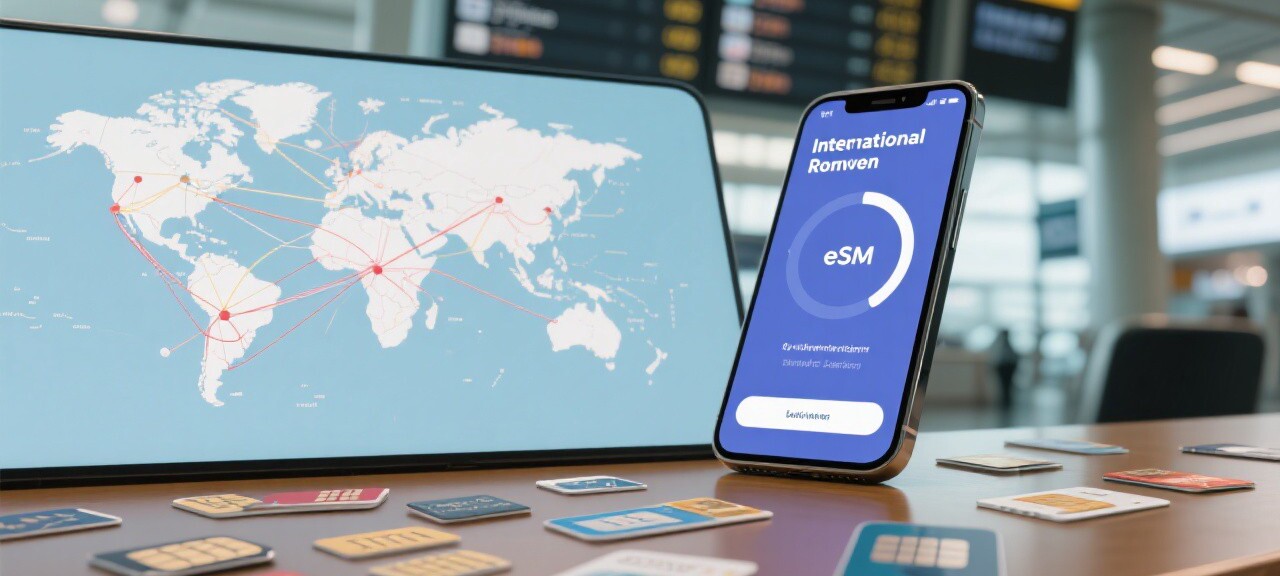
The first time I got hit with an international roaming bill, I had just returned from a two-week trip to Thailand. I had used my T-Mobile phone to check emails at the Bangkok airport, posted three photos to Instagram from Chiang Mai, and made one five-minute call to my mother from Phuket. The bill was $347. My monthly phone plan was $65. I had spent more than five times my normal bill on a handful of activities that would have cost pennies with a local SIM card.
That bill was the most expensive education I have ever received, but it taught me to take mobile connectivity seriously when traveling. Over the next three years, I tested every option available, from local SIM cards to eSIMs to international plans, across 25 countries. Here is what actually works and what costs more than it should.
Local SIM Cards: Still the Cheapest Option
In most countries, buying a local SIM card at the airport or a convenience store is still the cheapest way to get data. In Thailand, a DTAC tourist SIM with 15GB of data and unlimited calling costs 299 baht ($8.50) and is sold at kiosks in Suvarnabhumi Airport arrivals hall. In Vietnam, a Viettel SIM with 30GB of data costs 70,000 dong ($2.80) and can be purchased at any convenience store. In India, a Jio SIM with 28GB of data for 28 days costs 299 rupees ($3.60).
The catch with local SIMs is phone compatibility. Many countries, particularly in Asia and the Middle East, use different frequency bands than American phones. My iPhone 15 Pro worked fine everywhere, but I met a traveler in Sri Lanka whose older Android phone could not connect to any local network because it lacked the necessary LTE bands. Before buying a local SIM, check that your phone supports the bands used in that country. A quick search for "[country name] LTE bands" will give you the answer.
Another issue is dual SIM capability. If your phone supports eSIM, you can keep your home number active on the physical SIM and add a local data plan on the eSIM. This is what I do now. I receive calls and texts from home on my T-Mobile number while using the local data plan for everything else. No roaming charges, no missed messages, no complicated forwarding setups.

eSIMs and International Plans Compared
eSIMs have changed the game for travelers who want data immediately upon landing without hunting for a SIM card shop. Airalo, the largest eSIM marketplace, sells regional and country-specific data plans. I used their Asia plan, which gave me 5GB across eight Asian countries for $15. The setup took five minutes: download the Airalo app, buy the plan, scan a QR code, and you are connected. The speed was adequate for maps, messaging, and email, but streaming video was hit or miss depending on the country.
For Europe, I tested Holafly, which offers unlimited data eSIMs for specific countries. Their Spain eSIM cost $24 for seven days of unlimited data. The speed in Madrid and Barcelona was excellent, averaging 45 Mbps down. But Holafly does not include calling or texting, which was fine for me since I use WhatsApp for everything, but could be an issue for travelers who need to make actual phone calls.
T-Mobile's international plan is worth mentioning because it is the best mainstream option for Americans. For $25 per month added to a domestic plan, T-Mobile offers unlimited texting and data in 210+ countries, with data throttled to 128 kbps after 5GB. The throttled speed is painfully slow for anything beyond basic messaging, but having data available the moment you land, without any SIM swapping or eSIM setup, is incredibly convenient. I used T-Mobile's international plan as a backup on my last trip to Japan, relying on a Ubigi eSIM for fast data and falling back on T-Mobile when the eSIM had coverage gaps in rural areas.
Google Fi is another option that works well for frequent travelers. The Flexible plan charges $20 per month plus $10 per GB of data used internationally, with the same rate in 200+ countries. I used Google Fi for a year and my average international data cost was $35 per month. The advantage is that Fi automatically connects to local networks in each country, so there is no manual switching. The disadvantage is that Fi only works with Google Pixel phones and a limited selection of other devices.

My current setup is a combination: I keep my T-Mobile line active on my physical SIM for calls and texts, buy an Airalo or Holafly eSIM before each trip for data, and use WiFi at hotels and cafes whenever possible. This system costs me between $10 and $25 per trip for connectivity, compared to the $347 roaming bill that started this whole education. The technology for staying connected abroad has gotten dramatically better and cheaper in the past three years. There is no reason to ever pay roaming charges again.
Budget travel expert who has visited 60+ countries on a shoestring budget. She shares practical tips to help anyone travel for less.
Related Reading
Explore more articles on this topic from our travel guides and tips.
-
1
How to Use Skyscanner Like a Pro to Find Hidden Flight Deals Travel Hacks · May 9, 2026
-
2
The Ultimate Guide to Finding Cheap Flights in 2026 Travel Hacks · Apr 23, 2026
-
3
How to Avoid Dynamic Currency Conversion Traps When Paying Abroad Travel Hacks · May 3, 2026
-
4
Exploring Peru on a Budget: Lima, Cusco, and the Sacred Valley Destination Guides · Apr 23, 2026