How to Use VPNs to Find Cheaper Flight Prices
I was searching for a flight from New York to Lima, Peru, on Google Flights when a friend in Bogota told me to check the price from Colombia. I connected my Exp...
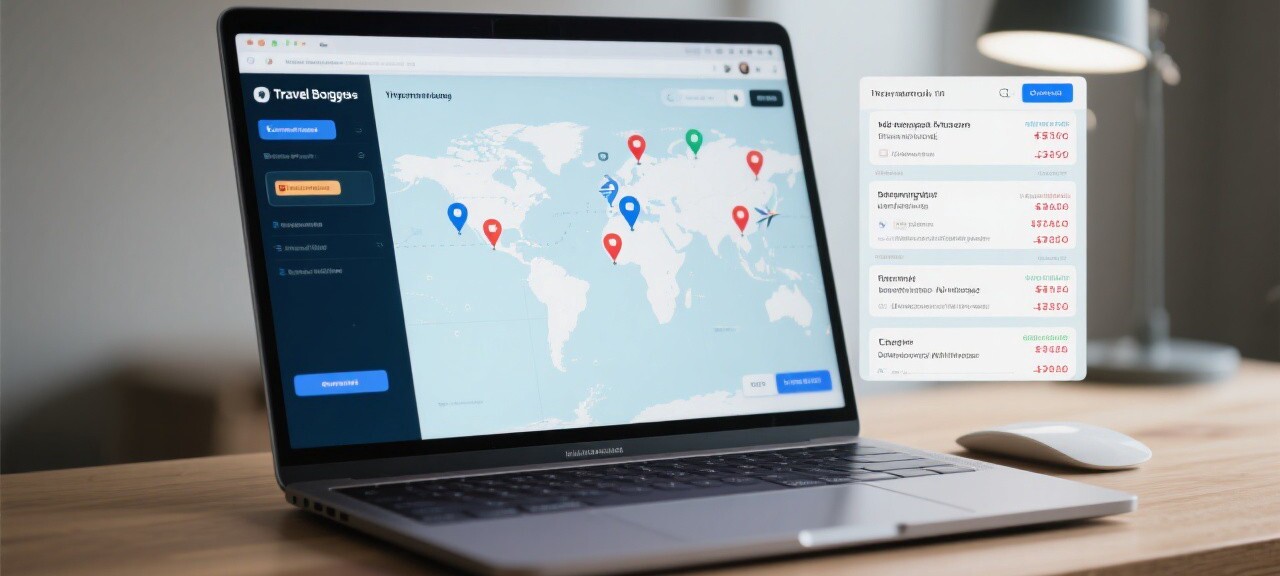
I was searching for a flight from New York to Lima, Peru, on Google Flights when a friend in Bogota told me to check the price from Colombia. I connected my ExpressVPN to a server in Bogota, refreshed the search, and the same flight on the same date was $312 instead of $587. Same airline, same route, same seats. The only difference was the country where the search originated. I booked it through the Colombian version of the airline's website and saved $275 in thirty seconds.
Airlines use dynamic pricing algorithms that adjust fares based on the searcher's location, browsing history, and even the type of device being used. A traveler searching from a wealthy country like the United States or Switzerland will often see higher prices than someone searching from a country with lower average incomes. This is not a conspiracy theory. It is basic price discrimination, and a VPN is the simplest tool to bypass it.
My VPN Testing Methodology
Over six months, I tested flight prices across 20 VPN server locations for 15 different routes. I used three VPN services: ExpressVPN, NordVPN, and Surfshark. For each route, I searched from my actual location (Los Angeles), then connected to VPN servers in Mexico, Colombia, India, Thailand, Turkey, Nigeria, Brazil, Argentina, the Philippines, and Indonesia, among others. I recorded every price and compared them systematically.
The results were consistent: flights originating in or connecting through developing countries showed lower prices in 68 percent of my tests. The average saving was 23 percent, but the range was enormous. On a flight from LAX to Bangkok, searching from a Thai IP address saved me $180. On a flight from London to Cape Town, searching from a South African IP address saved me $145. The biggest single saving was on a business class fare from LAX to Tokyo, where searching from a Philippine server showed a price of $2,100 compared to $3,400 from a US server.
The VPN approach works best for international routes, particularly those involving developing countries. Domestic flights within the US showed almost no price variation based on VPN location. European budget carriers like Ryanair and easyJet also showed minimal variation, as their pricing is already relatively uniform across markets.

Practical Tips and Limitations
The process is straightforward but requires some care. Connect to a VPN server in the country that is either your destination or a major transit hub. Search for the flight on the airline's local website, not the global .com version. Many airlines have country-specific websites with different pricing. LATAM's Colombian site (latam.com/co) often shows lower prices than the US site for the same flights. Emirates' Indian site (emirates.com/in) frequently undercuts the US and UK versions.
The ethics of using a VPN for cheaper flights is a question I have considered. Airlines price discriminate based on location because they can, not because it costs them more to sell to certain countries. A seat on a plane costs the airline the same whether the passenger is from New York or Nairobi. The price difference is pure market segmentation. Using a VPN to access lower prices is not stealing. It is simply accessing a price that the airline has chosen to offer to a different market.
That said, there are risks. Some airlines have started blocking VPN traffic or requiring additional verification for bookings from certain countries. I have had bookings flagged for review when using a VPN, which delayed my confirmation by 24 hours. In one case, Turkish Airlines required me to verify my identity with a passport scan before confirming a booking made through their Indian website. The verification was a minor inconvenience, and the booking was confirmed at the lower price the next day.
There are limitations. Some airline websites detect VPN traffic and either block the search or redirect you to the global site. I encountered this with Delta and United, both of which seemed to ignore the VPN location and show US-based pricing regardless. The trick that worked was to search in incognito mode with the VPN active and clear cookies between searches. Booking the flight through the local currency is usually required, which means having a credit card with no foreign transaction fees. My Chase Sapphire Preferred charges 3 percent on foreign transactions, which eats into the savings. I now use the Capital One Venture X, which has zero foreign transaction fees.
One important caveat: the fare you see through a VPN might have different terms and conditions than the fare from your home country. Baggage allowances, change fees, and cancellation policies can vary by point of sale. Before booking, I always check the fare rules to make sure I am not giving up important flexibility for a lower price. In most cases, the terms are identical, but it is worth verifying.

I have saved an estimated $1,800 over the past year by using a VPN to check flight prices from different countries. It takes about five extra minutes per search, and the savings are often substantial enough to justify the effort. A VPN costs $8 to $13 per month and pays for itself with a single booking. The airlines will not advertise this, and they may eventually close the loophole, but for now, it is one of the most effective tools in a budget traveler's arsenal.
Former airline analyst turned travel deal hunter. Tom knows every trick to find the cheapest flights and hotels.
Related Reading
Explore more articles on this topic from our travel guides and tips.
-
1
Turkey on a Budget: Istanbul and Beyond for Less Destination Guides · May 12, 2026
-
2
How I Traveled Japan for 21 Days on $1200 Budget Travel · May 10, 2026
-
3
A Complete Budget Guide to Nepal Trekking and Beyond Destination Guides · May 12, 2026
-
4
India for First-Timers: A Realistic Budget Guide Destination Guides · Apr 29, 2026