Camping While Traveling: The Ultimate Budget Accommodation Hack
I pitched my tent on a beach in Montenegro at sunset. The Adriatic Sea was 20 meters away, the water was glassy and reflecting the orange sky, and the only soun...
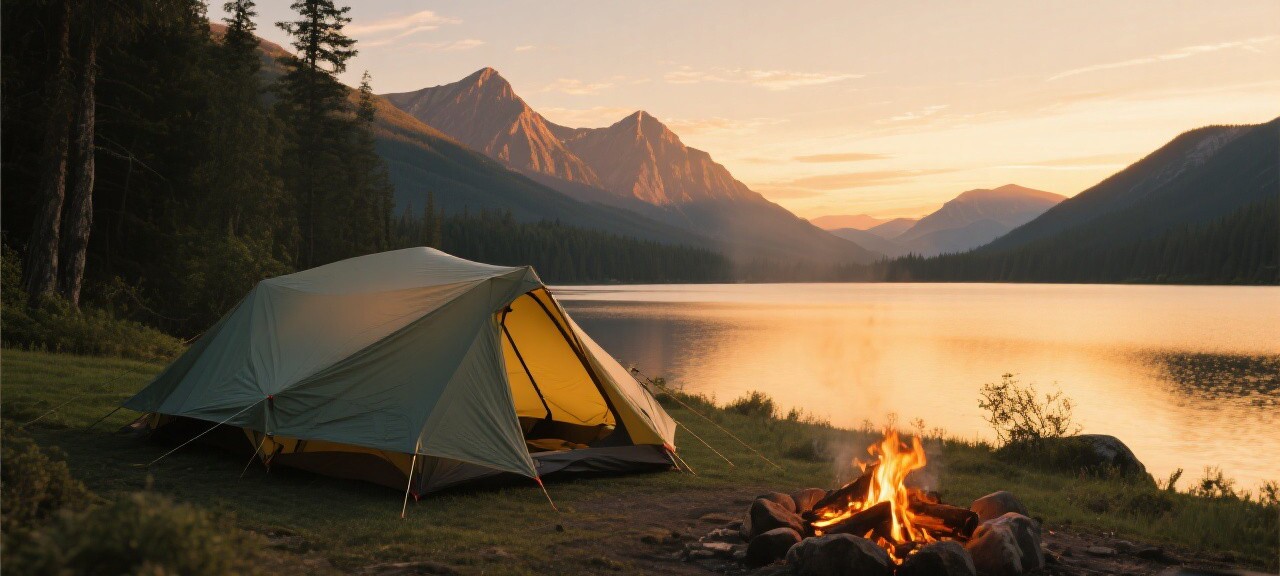
I pitched my tent on a beach in Montenegro at sunset. The Adriatic Sea was 20 meters away, the water was glassy and reflecting the orange sky, and the only sound was the gentle lapping of waves against the pebbled shore. I paid nothing for this campsite because Montenegro allows wild camping on most beaches. I cooked dinner on a small gas stove, pasta with canned tomatoes and local cheese, and ate it while watching the stars appear one by one. The total cost of my accommodation for the night was zero dollars. The experience was priceless.
Camping while traveling is the most effective budget accommodation hack I know. It reduces your accommodation cost to zero or near-zero, gives you access to locations that no hotel or hostel can reach, and provides a connection with the natural environment that no building can replicate. I have camped while traveling in 15 countries, and it has saved me an estimated $2,500 in accommodation costs over the past three years. Here is everything you need to know to start camping while traveling.
The Gear: Lightweight and Compact
My camping setup weighs 2.8 kilograms total and fits inside my 40-liter backpack alongside all my regular travel gear. The tent is a Naturehike Cloud Up 2, a two-person tent that weighs 1.4 kilograms and packs down to the size of a water bottle. It cost $65 on Amazon and has survived rainstorms in Iceland, wind in Patagonia, and heat in Greece. The tent is not freestanding, which means it requires stakes to set up, but it is remarkably sturdy for its weight.
My sleeping pad is a Sea to Summit Ether Light XT, an inflatable pad that weighs 340 grams and provides 5 centimeters of cushioning. It cost $120, which is expensive, but a good sleeping pad is the difference between a restful night and a miserable one. My sleeping bag is a REI Magma 15, a down bag rated to 15 degrees Fahrenheit, which weighs 700 grams and compresses to the size of a Nalgene bottle. It cost $280, but it has kept me warm in temperatures down to 25 degrees Fahrenheit.
The remaining gear includes a small gas stove (MSR PocketRocket, $50, 85 grams), a titanium pot (Snow Peak Trek 900, $45, 130 grams), a headlamp (Black Diamond Spot, $30), and a dry bag for protecting electronics from moisture. The total cost of my camping setup was about $600, and it has paid for itself many times over in saved accommodation costs.
Where and How to Camp
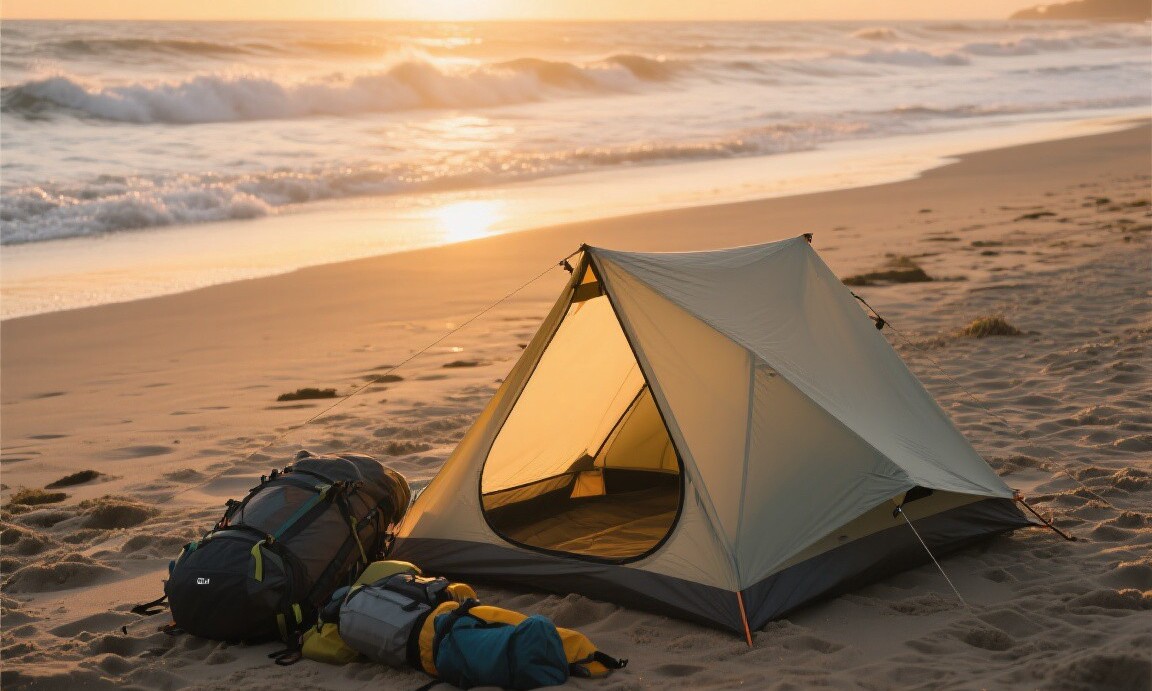
Wild camping, pitching your tent outside of designated campsites, is legal in many countries but not all. In Scandinavia, the "right to roam" (allemansrätten in Sweden, friluftsliv in Norway) allows wild camping anywhere for up to two nights, as long as you are not disturbing anyone or damaging the environment. In Scotland, wild camping is legal under the Land Reform Act of 2003. In Montenegro, Albania, and most of the Balkans, wild camping is tolerated on beaches and in rural areas. In most of Western and Southern Europe, wild camping is technically illegal but widely practiced in remote areas, especially along coastlines.
I research wild camping legality before every trip using two resources: the WikiCamps app, which has a database of campsites and wild camping spots worldwide, and the "Camping in [country]" threads on Reddit's r/ultralight and r/wildcamping communities. These resources provide up-to-date information on where wild camping is allowed, where it is tolerated, and where it is strictly prohibited.
Designated campsites are the safer and more comfortable option when they are available. In Europe, campsites typically charge 10 to 25 euros ($11 to $27) per night for a tent pitch with access to showers, toilets, and sometimes a kitchen. In New Zealand, Department of Conservation (DOC) campsites charge 5 to 15 NZD ($3 to $9) per night for a basic site with a toilet and water. In the US, national park campgrounds charge $15 to $30 per night. These are all significantly cheaper than the cheapest hostel or hotel in the same area.
Safety is a consideration that should not be ignored. I never camp alone in remote areas without telling someone where I am. I carry a personal locator beacon (Garmin inReach Mini, $350) that can send SOS signals via satellite in areas without cell coverage. I also carry a basic first-aid kit and a whistle. In bear country, I store food in a bear canister or hang it from a tree. In areas with venomous snakes or spiders, I shake out my shoes and sleeping bag before use. These precautions take five minutes and can prevent life-threatening situations.
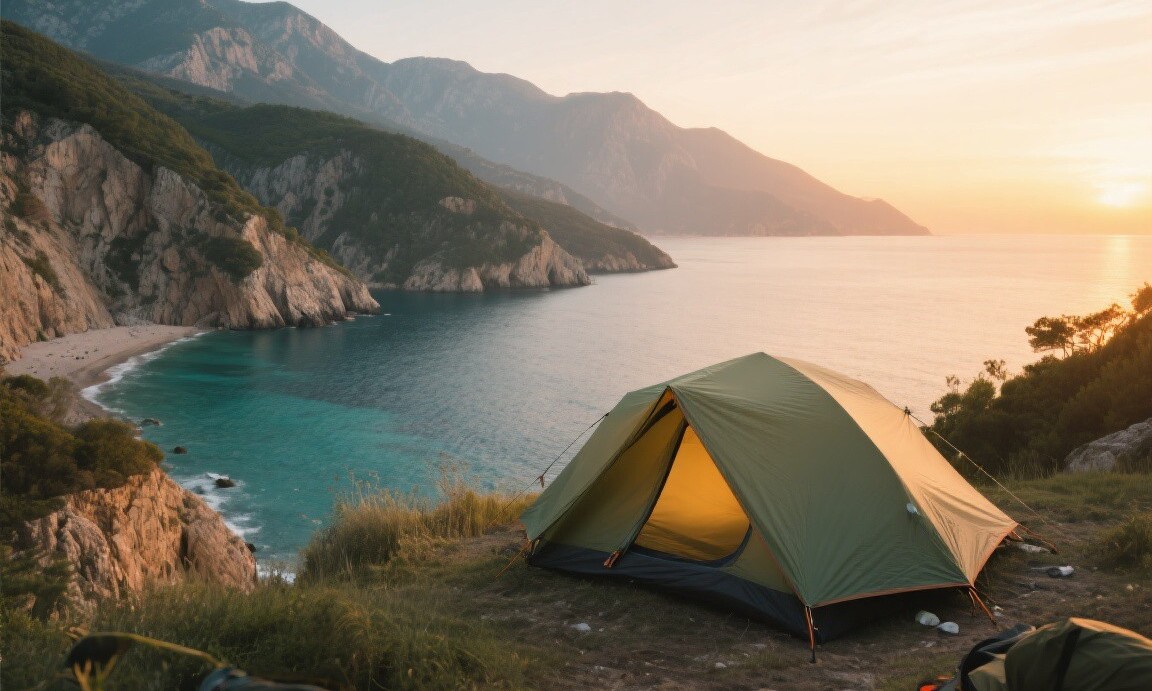
Camping while traveling is not for everyone. It requires carrying extra gear, dealing with weather, and giving up some comforts. But the rewards, free accommodation, access to beautiful locations, and a deeper connection with nature, are substantial. My camping setup has given me some of the most memorable nights of my traveling life: falling asleep to the sound of waves in Montenegro, waking to a view of the Dolomites in Italy, and watching the Northern Lights from my tent in Iceland. These experiences cost me nothing, and they are worth more than any hotel room.
Budget travel expert who has visited 60+ countries on a shoestring budget. She shares practical tips to help anyone travel for less.
Related Reading
Explore more articles on this topic from our travel guides and tips.
-
1
How I Traveled Japan for 21 Days on $1200 Budget Travel · May 10, 2026
-
2
How to Keep Your Phone Charged During Long Travel Days Travel Hacks · Apr 18, 2026
-
3
Off-the-Beaten-Path Destinations in Europe That Cost Half as Much Destination Guides · Apr 25, 2026
-
4
Turkey on a Budget: Istanbul and Beyond for Less Destination Guides · May 12, 2026