Eating Well on the Road Without Blowing Your Budget
I ate a bowl of pho in Hanoi that cost 40,000 dong ($1.60). It was the best bowl of soup I have ever eaten, the broth was 12 hours in the making, the beef was s...
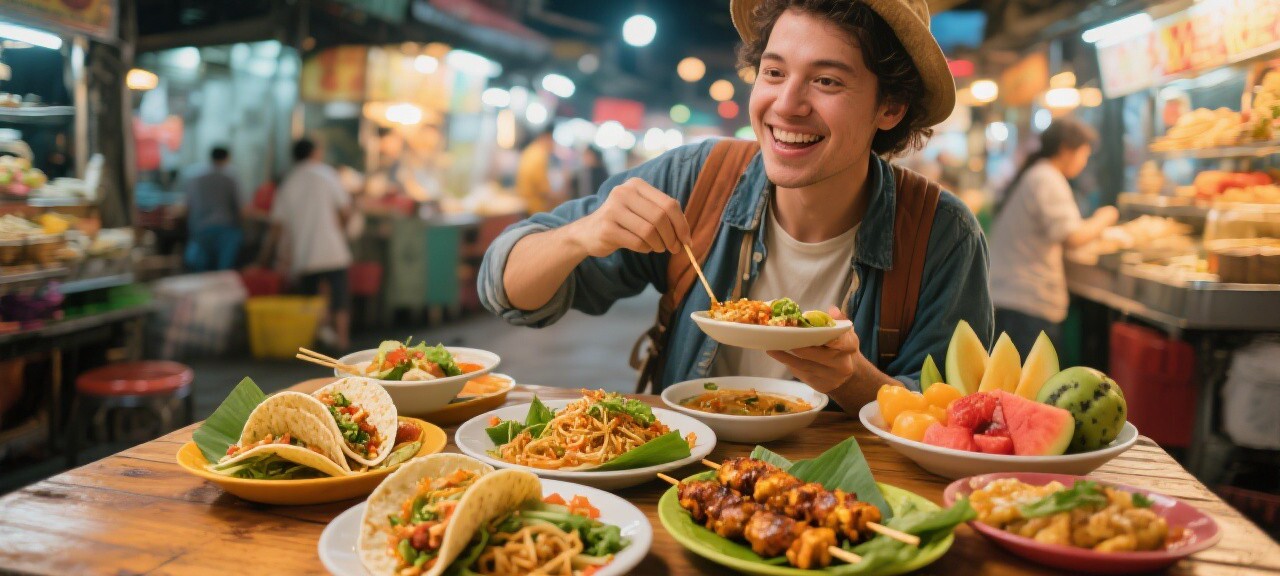
I ate a bowl of pho in Hanoi that cost 40,000 dong ($1.60). It was the best bowl of soup I have ever eaten, the broth was 12 hours in the making, the beef was sliced paper-thin and cooked by the heat of the broth at the table, and the herbs were fresh from the morning market. Two days later, in Ho Chi Minh City, I ate a bowl of pho at a restaurant recommended by my guidebook that cost 120,000 dong ($4.80). It was good but not three times better than the $1.60 bowl. The difference was the location, the guidebook restaurant was in the tourist district, and the markup. Eating well while traveling is not about finding the cheapest food. It is about finding the best food at fair prices, and knowing where to look makes all the difference.
Food is the most flexible item in any travel budget. You can spend $5 per day or $50 per day depending on your choices, and neither extreme is necessary for a great culinary experience. Over five years of budget travel, I have developed strategies for eating amazing food in every country I visit while keeping my daily food spend between $10 and $20.
Street Food: The Budget Traveler's Best Friend
Street food is the great equalizer of travel dining. In every country I have visited, the best food is often found on the street, not in restaurants. Street food is cheap because the vendor has no rent, no waitstaff, and no decor to pay for. The food is fresh because high turnover means nothing sits around. And the recipes are authentic because street food is what locals eat every day, not what tourists are served in restaurants designed for export.
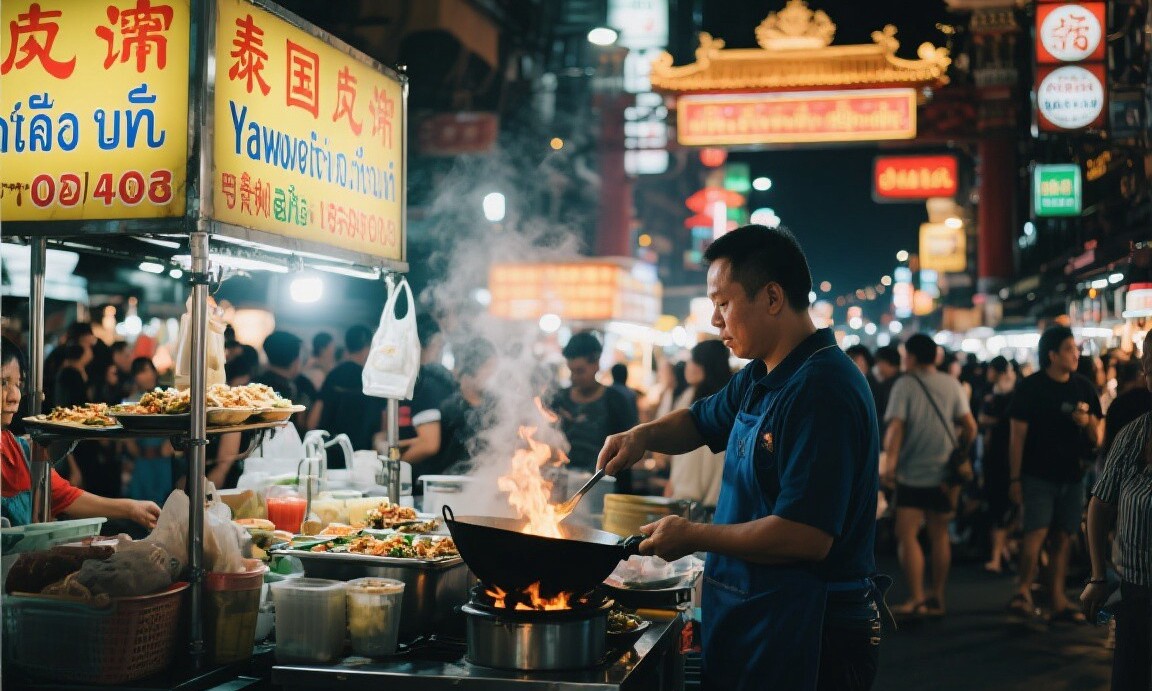
In Bangkok, the street food at Yaowarat Road, the main Chinatown street, is extraordinary. A plate of pad thai from a cart operated by a woman named Mrs. Sompong costs 60 baht ($1.70). A bowl of tom yum soup from a stall next door costs 80 baht ($2.30). A mango sticky rice dessert costs 50 baht ($1.40). I ate a three-course street food meal in Bangkok for 190 baht ($5.40), and every dish was better than what I have had in Thai restaurants in the US that charge $15 to $25 per dish.
In Mexico City, the taco stands are the heart of the food culture. A taco al pastor, marinated pork shaved from a vertical spit with pineapple, onion, and cilantro, costs 15 pesos ($0.85) at a stand in the Condesa neighborhood. A taco de suadero, beef confit, costs 12 pesos ($0.68). I ate six tacos and a glass of horchata for 90 pesos ($5.10) and was completely satisfied. The same tacos at a sit-down restaurant in the Roma neighborhood would cost 45 to 60 pesos each, three to four times more, for food that is often less authentic.
Markets, Cooking, and Strategic Restaurant Meals
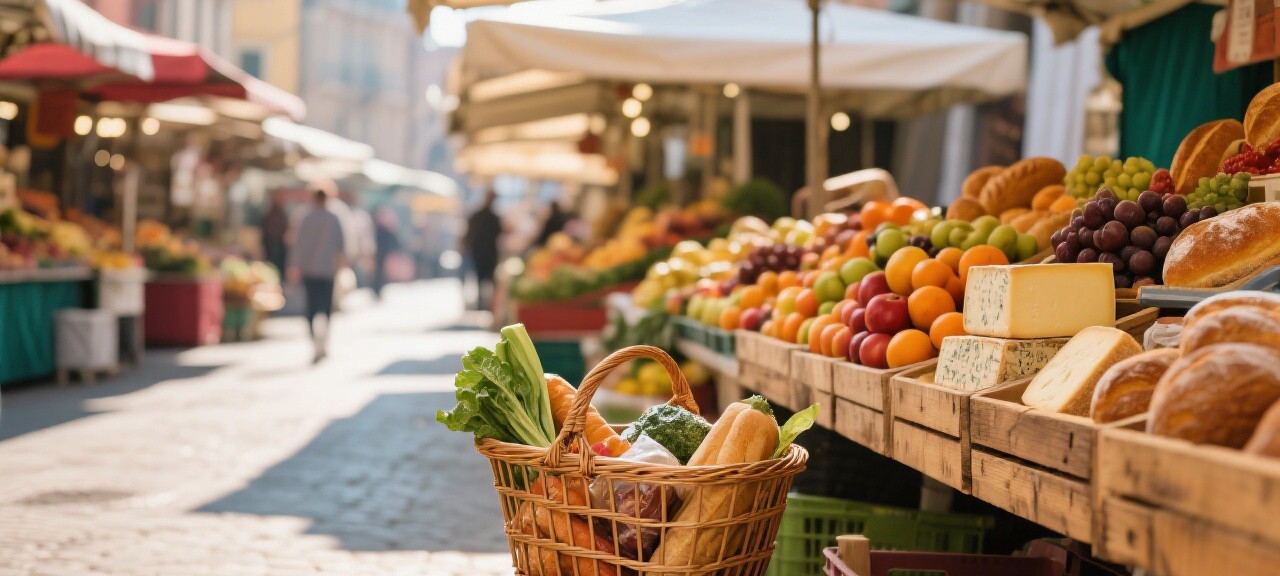
Local markets are the second pillar of budget eating. Every city in the world has a market where locals buy fresh produce, meat, fish, and prepared foods at prices far below restaurant prices. In Lisbon, the Mercado da Ribeira (now Time Out Market) has stalls selling fresh fish, grilled seafood, and Portuguese wines. A plate of grilled sardines with bread and salad cost 8 euros ($8.60). In Marrakech, the Jemaa el-Fnaa square fills with food stalls at sunset, selling tagine, couscous, and grilled meats for 30 to 50 dirhams ($3 to $5) per plate. In Hanoi, the Dong Xuan Market has prepared food sections where a bowl of bun cha, grilled pork with noodles, costs 35,000 dong ($1.40).
Cooking in hostel kitchens is the third strategy. I carry a spork, a small cutting board, and a pocket knife, which means I can prepare food in even the most basic kitchen. My standard hostel meal is pasta with garlic, olive oil, and whatever vegetables are cheap at the local market. The total cost is $2 to $3 per meal, and it is filling and nutritious. I cook two to three meals per week in hostel kitchens, which saves me $30 to $45 per week compared to eating every meal at restaurants.
When I do eat at restaurants, I follow the "one meal rule." I eat one restaurant meal per day, usually dinner, and make it count. I research restaurants in advance using Google Maps reviews, looking for places with ratings above 4.3 and at least 200 reviews. I also ask locals, hostel staff, and other travelers for recommendations. The best meal I had in Italy was at a trattoria in Bologna recommended by my hostel owner, a place called Trattoria Anna Maria that served tortellini in brodo for 14 euros ($15). No guidebook mentioned it, but it was the best meal of my trip.
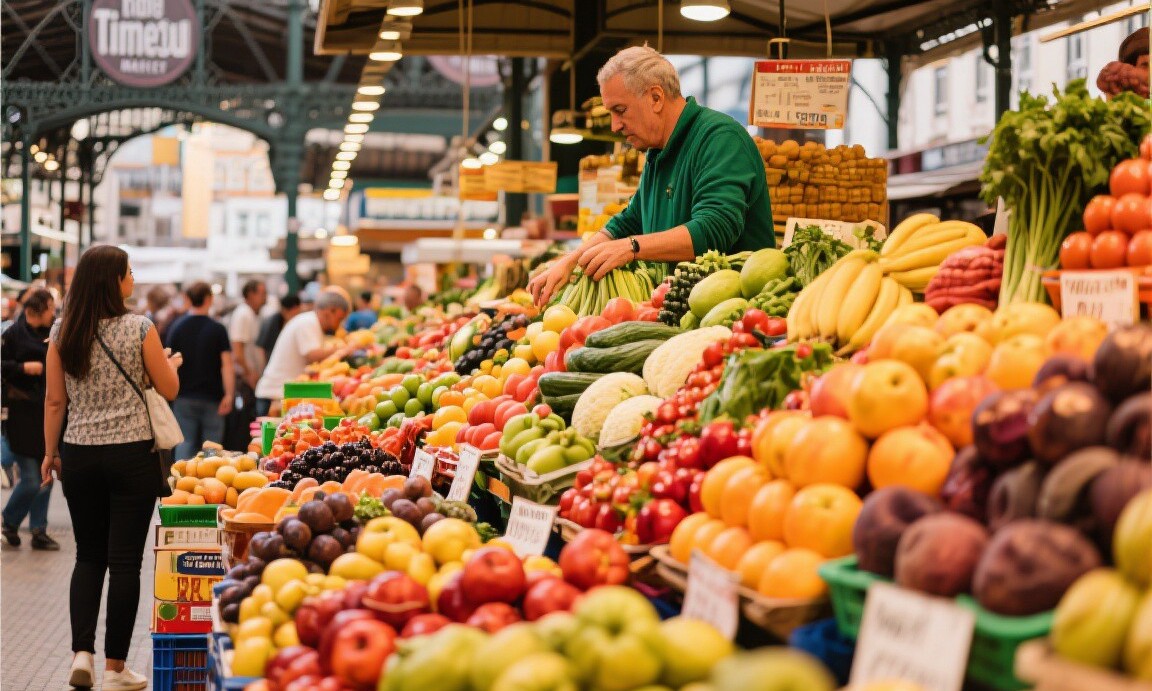
Eating well on a budget is not about deprivation. It is about knowing where to look, when to cook, and how to allocate your food budget strategically. I spend $10 to $20 per day on food while traveling and eat better than I do at home, where I spend $25 to $30 per day on groceries and takeout. The secret is simple: eat where locals eat, cook when you can, and make your one restaurant meal per day count. Your stomach and your wallet will both thank you.
Budget travel expert who has visited 60+ countries on a shoestring budget. She shares practical tips to help anyone travel for less.
Related Reading
Explore more articles on this topic from our travel guides and tips.
-
1
A Budget Traveler Guide to the Greek Islands Destination Guides · Apr 11, 2026
-
2
Exploring the Yucatan Peninsula on a Shoestring Budget Destination Guides · May 2, 2026
-
3
Grocery Shopping While Traveling: My Complete Strategy Budget Travel · May 6, 2026
-
4
How to Find Last-Minute Hotel Deals That Are Actually Good Hotel & Flight Deals · Apr 24, 2026