A Budget Traveler Guide to the Greek Islands
Santorini and Mykonos are the Greek islands that everyone knows. They are also the most expensive, with hotel rooms averaging 200 to 400 euros per night in peak...
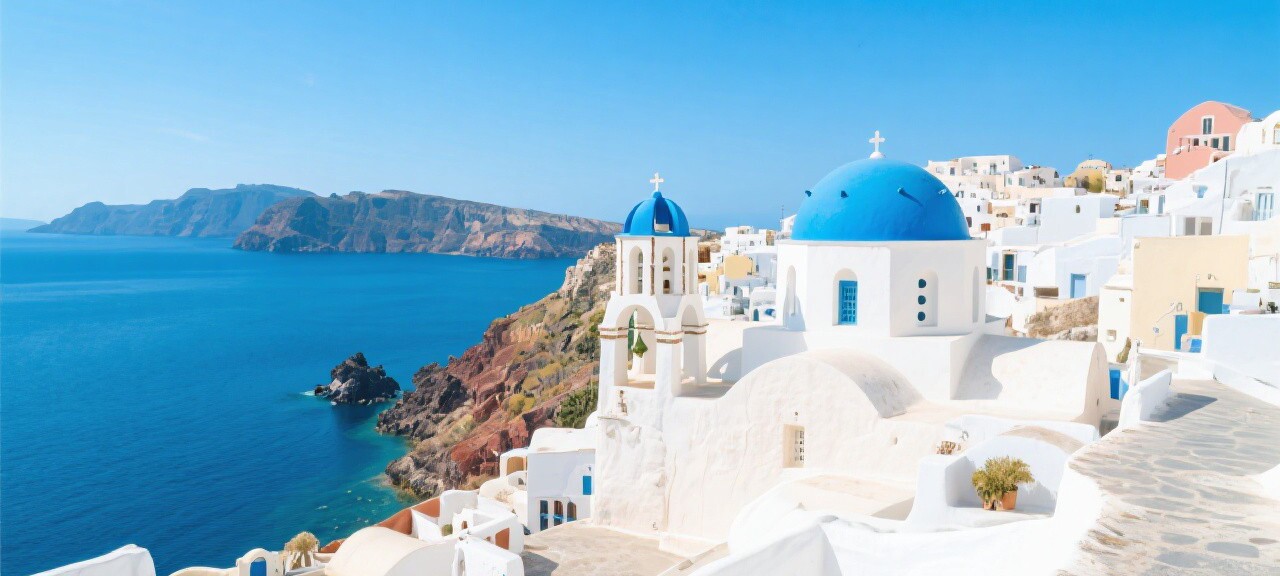
Santorini and Mykonos are the Greek islands that everyone knows. They are also the most expensive, with hotel rooms averaging 200 to 400 euros per night in peak season and restaurant prices that rival London or New York. But Greece has 227 inhabited islands, and most of them are far cheaper and, in my opinion, far more enjoyable. I spent three weeks hopping between Naxos, Paros, Milos, and Hydra, and my average daily spend was $42, including accommodation, food, transport, and activities. The beaches were just as beautiful, the food was just as good, and the crowds were a fraction of what you find on the famous islands.
Naxos and Paros: The Best of the Cyclades
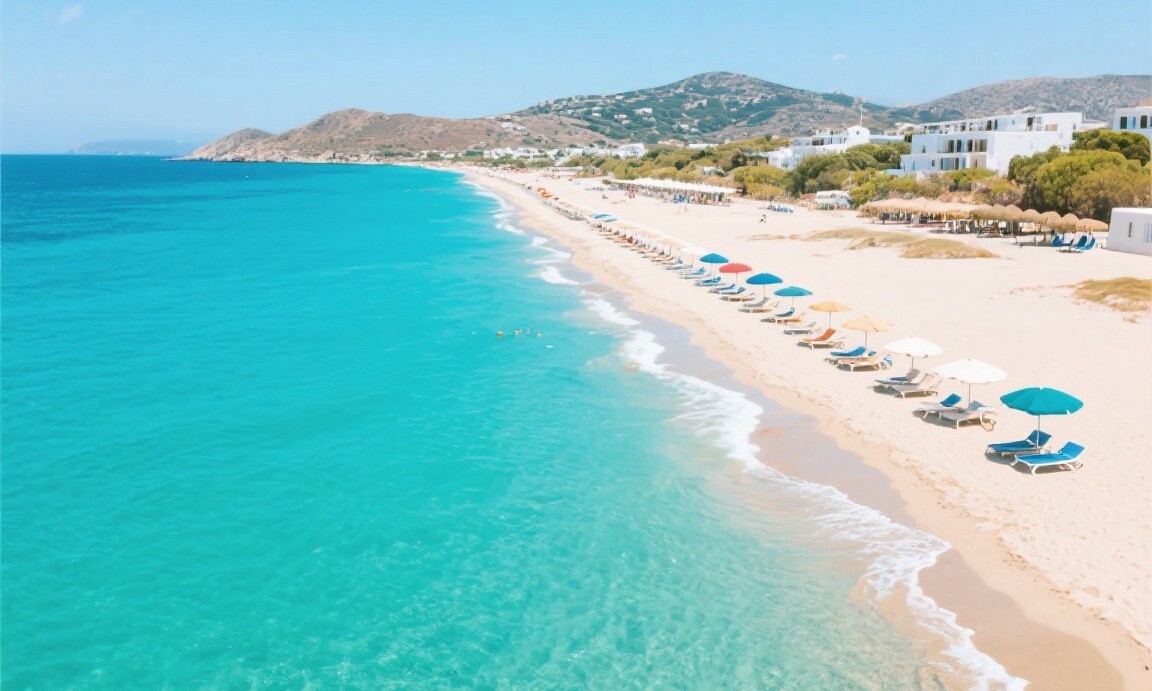
Naxos is the largest island in the Cyclades group and has the longest beaches. I stayed at a studio apartment called Studios Galini in the village of Agios Prokopios for 45 euros ($49) per night. The studio had a kitchen, a balcony with a sea view, and was a three-minute walk from a beach with soft sand and crystal-clear water. The same quality accommodation on Santorini would have cost 150 to 200 euros per night. I cooked breakfast in the studio every morning using ingredients from the local market: Greek yogurt, honey, bread, and fresh fruit for about 5 euros ($5.40).
Naxos has some of the best food in the Cyclades at prices that make you feel like you are stealing. A plate of grilled octopus at a taverna called Maro in the village of Apollonas cost 10 euros ($10.80). A Greek salad with local feta and olive oil cost 6 euros ($6.50). A half-liter of house wine cost 4 euros ($4.30). I ate dinner at seaside tavernas every night and spent an average of 15 euros ($16.20) per meal. The food was fresh, simple, and perfectly prepared, the kind of cooking that makes you wonder why anyone would eat at a fancy restaurant.
I rented a car for two days through a local agency called Naxos Cars for 30 euros ($32) per day, including insurance. Having a car allowed me to explore the interior of the island, which is mountainous and dotted with traditional villages. I drove to the village of Apeiranthos, a hilltop settlement with marble streets and Venetian-era towers, where I ate lunch at a taverna with a view of the entire island for 12 euros ($13). I also visited the Kouros of Melanes, an unfinished ancient statue lying in a field, which was free to visit and completely uncrowded.
Milos and Hydra
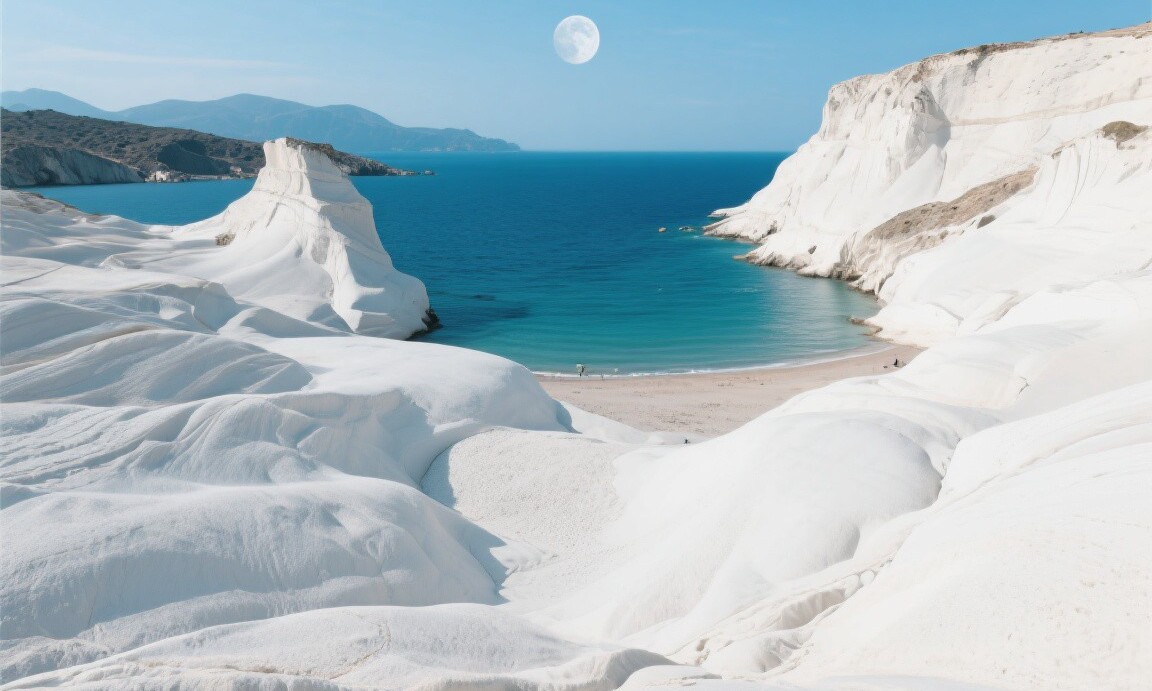
Milos is a volcanic island known for its dramatic rock formations and unique beaches. I reached Milos by ferry from Naxos, which cost 25 euros ($27) and took three hours. In Milos, I stayed at a guesthouse called Captain's House in the main town of Adamas for 35 euros ($38) per night. The guesthouse had a garden with bougainvillea and a view of the harbor. Milos's most famous beach, Sarakiniko, is a lunar landscape of white volcanic rock carved into arches and caves by the sea. It is free to visit and one of the most photographed places in Greece.
I rented a scooter in Milos for 12 euros ($13) per day, which was the most efficient way to reach the island's scattered beaches. The rental came with a helmet and a full tank of gas. I rode to Kleftiko, a series of sea caves accessible only by boat, and took a half-day boat tour from the port of Adamas for 25 euros ($27) that included swimming, snorkeling, and a stop at a remote beach for a Greek-style barbecue lunch. The total cost of the boat tour, including lunch and drinks, was 30 euros ($32).
Hydra is the most unique Greek island I visited. It has no cars, no scooters, and no motorized vehicles of any kind. Everything is transported by donkey or by hand. I reached Hydra by ferry from Piraeus (the port of Athens), which cost 38 euros ($41) one way. In Hydra, I stayed at a guesthouse called Miranda for 50 euros ($54) per night, the most expensive accommodation of my trip, but the uniqueness of the island justified the cost. Hydra's harbor town is one of the most beautiful in Greece, with stone mansions climbing the hillside above the water and no traffic noise whatsoever. I spent two days doing nothing but walking, swimming, and eating at waterfront tavernas, and it was the most relaxed I felt during my entire three weeks in Greece.
Three weeks in the Greek islands cost me $882, or $42 per day. That included all ferry tickets, accommodation, food, scooter and car rentals, a boat tour, and activities. I swam at beaches that rivaled anything in the Caribbean, ate Greek food that was simple and perfect, and explored islands that most tourists have never heard of. Santorini and Mykonos are fine if you want to spend $300 per night for a hotel room and fight for space at a crowded beach. But if you want the real Greek islands, the ones with empty beaches, friendly locals, and prices that let you stay for weeks instead of days, go to Naxos, Milos, Paros, and Hydra. You will not regret it.
Hotel reviewer and luxury travel on a budget specialist. Jake proves you don't need to spend a fortune for a great trip.
Related Reading
Explore more articles on this topic from our travel guides and tips.
-
1
Budget Guide to the Balkans: The Cheapest Region in Europe Destination Guides · Apr 10, 2026
-
2
How to Find Last-Minute Hotel Deals That Are Actually Good Hotel & Flight Deals · Apr 24, 2026
-
3
How I Traveled Japan for 21 Days on $1200 Budget Travel · May 10, 2026
-
4
Travel Mistakes That Will Get You Banned or Denied Boarding Travel Hacks · May 6, 2026