Free Activities in 15 Major Cities That Tourists Always Miss
The best thing I did in Berlin cost nothing. I stood in the Memorial to the Murdered Jews of Europe, a field of 2,711 concrete slabs of varying heights arranged...
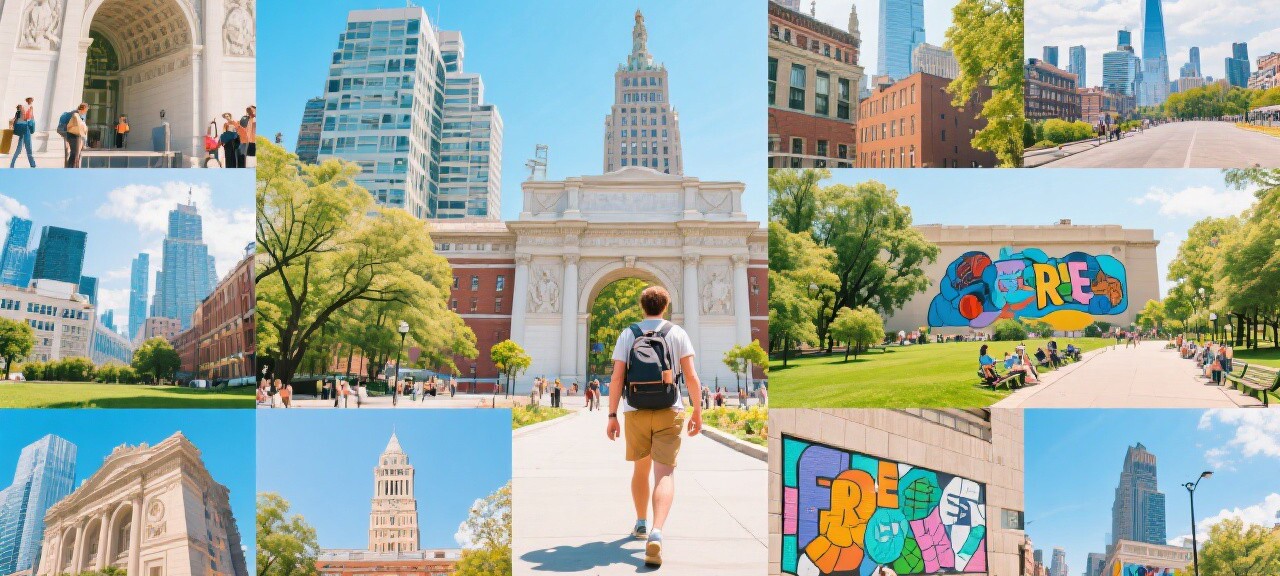
The best thing I did in Berlin cost nothing. I stood in the Memorial to the Murdered Jews of Europe, a field of 2,711 concrete slabs of varying heights arranged in a grid on a slope near the Brandenburg Gate. The memorial has no plaques, no explanations, no guided tours. You walk among the slabs, and as you move deeper into the field, the slabs grow taller until they tower above you, blocking out the city and the sky. The effect is disorienting and deeply moving. I spent an hour there, and it was the most powerful experience of my trip to Berlin. It was also completely free.
Every major city in the world has free activities that are as good as or better than the paid attractions. The problem is that free activities do not have marketing budgets, so tourists often miss them. Over five years of budget travel, I have compiled a list of free activities in 15 major cities that are worth building a day around.
Europe
In London, the British Museum is free and contains the Rosetta Stone, the Elgin Marbles, and the Egyptian mummies. I spent four hours there and saw only a third of the collection. The National Gallery, also free, has works by Van Gogh, Monet, and Da Vinci. The Sky Garden, a public garden in a glass dome at the top of the Walkie-Talkie building, offers 360-degree views of London for free, but you need to book a time slot online in advance.
In Paris, the Cathédrale Notre-Dame is free to enter (though the tower requires a fee). The Sacré-Cœur basilica in Montmartre is also free and offers views of Paris from its steps. The Marché des Enfants Rouges, the oldest covered market in Paris, is free to browse and offers free samples from many vendors. Walking along the Seine at sunset, with the Eiffel Tower glowing in the distance, costs nothing and is more romantic than any paid activity in the city.
In Rome, St. Peter's Basilica is free to enter (the dome and Vatican Museums cost extra). The Pantheon, a 2,000-year-old temple with the largest unreinforced concrete dome in the world, is free. The Trevi Fountain, the Spanish Steps, and the Colosseum exterior (you cannot enter for free, but you can walk around it) are all free to visit. My favorite free activity in Rome is walking through the Trastevere neighborhood at dusk, when the restaurants set up their outdoor tables and the streets fill with locals enjoying the evening passeggiata.
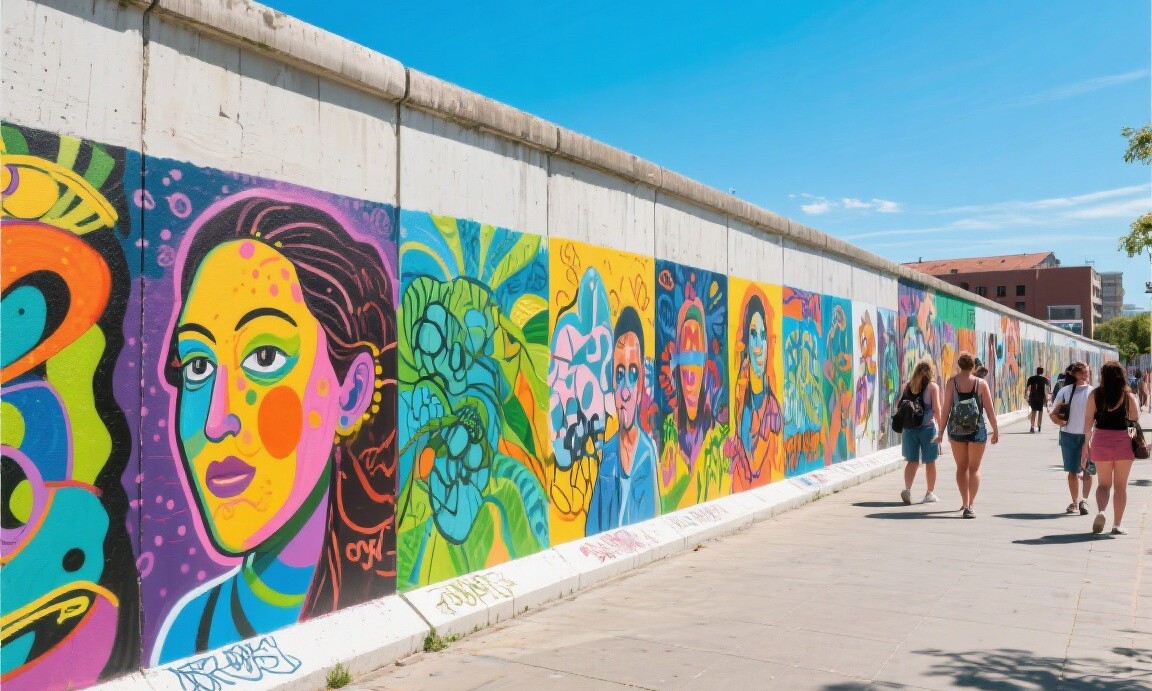
In Berlin, the Memorial to the Murdered Jews of Europe, the East Side Gallery (a 1.3-kilometer section of the Berlin Wall covered in murals), and the Tiergarten park are all free. The Brandenburg Gate is free to approach and photograph. The Topography of Terror, an outdoor and indoor museum on the site of the former Gestapo headquarters, is free and provides a sobering account of Nazi crimes.
Asia and the Americas
In Tokyo, the Meiji Shrine, set in a forested area in the heart of the city, is free to enter and provides a peaceful escape from the urban intensity. The Tsukiji Outer Market is free to browse and offers some of the freshest sushi in the world at reasonable prices. Walking through the Shibuya Crossing, the busiest intersection in the world, costs nothing and is a quintessential Tokyo experience. The Senso-ji Temple in Asakusa is free to enter, though the approach through the Nakamise shopping street will tempt you to spend money on souvenirs.
In Bangkok, the Wat Pho temple complex, home of the giant reclining Buddha, costs 200 baht ($5.70), but the Wat Arun temple across the river costs only 100 baht ($2.85), and the views from the riverbank at sunset are free. The Chatuchak Weekend Market, with over 15,000 stalls, is free to enter and browse. Walking through Chinatown (Yaowarat Road) at night, when the street food vendors set up their carts and the neon signs glow, is a free experience that is more vibrant than any paid attraction in the city.
In Mexico City, the Zócalo, the massive central square, is free to visit and often hosts free concerts and events. The Chapultepec Park, one of the largest urban parks in the Western Hemisphere, is free to enter and contains the Chapultepec Castle (which does charge an entry fee). The Coyoacán neighborhood, where Frida Kahlo lived, is free to explore, and the mercado there offers excellent cheap food. The Diego Rivera murals at the Secretaría de Educación Pública are free to view during business hours.
In New York, the Staten Island Ferry is free and offers views of the Statue of Liberty, the Manhattan skyline, and the Brooklyn Bridge. Central Park is free and contains the Bethesda Fountain, the Bow Bridge, and the Great Lawn. The 9/11 Memorial, with its reflecting pools in the footprints of the Twin Towers, is free. The High Line, an elevated park built on a former freight rail line, is free and offers unique views of the city and the Hudson River.
Free activities are not inferior substitutes for paid attractions. In many cases, they are the best experiences a city has to offer. The reason they are free is not because they are less valuable, but because they are public spaces, cultural institutions, or natural features that belong to everyone. Budget travelers have an advantage over wealthy tourists because they are more likely to seek out these free experiences, and in doing so, they often have a more authentic and meaningful connection with the places they visit. The best things in travel, like the best things in life, are often free.
Budget travel expert who has visited 60+ countries on a shoestring budget. She shares practical tips to help anyone travel for less.
Related Reading
Explore more articles on this topic from our travel guides and tips.
-
1
Traveling with Kids on a Budget: A Parent Survival Guide Budget Travel · Apr 29, 2026
-
2
How to Keep Your Phone Charged During Long Travel Days Travel Hacks · Apr 18, 2026
-
3
Travel Mistakes That Will Get You Banned or Denied Boarding Travel Hacks · May 6, 2026
-
4
How to Get VIP Lounge Access Without Business Class Tickets Travel Hacks · May 5, 2026