How Exchange Rates Affect Your Travel Budget and How to Play Them Smart
In January 2025, I planned a trip to Japan and budgeted $3,000 for three weeks. The exchange rate was 148 yen to the dollar. By the time I booked my flights in...
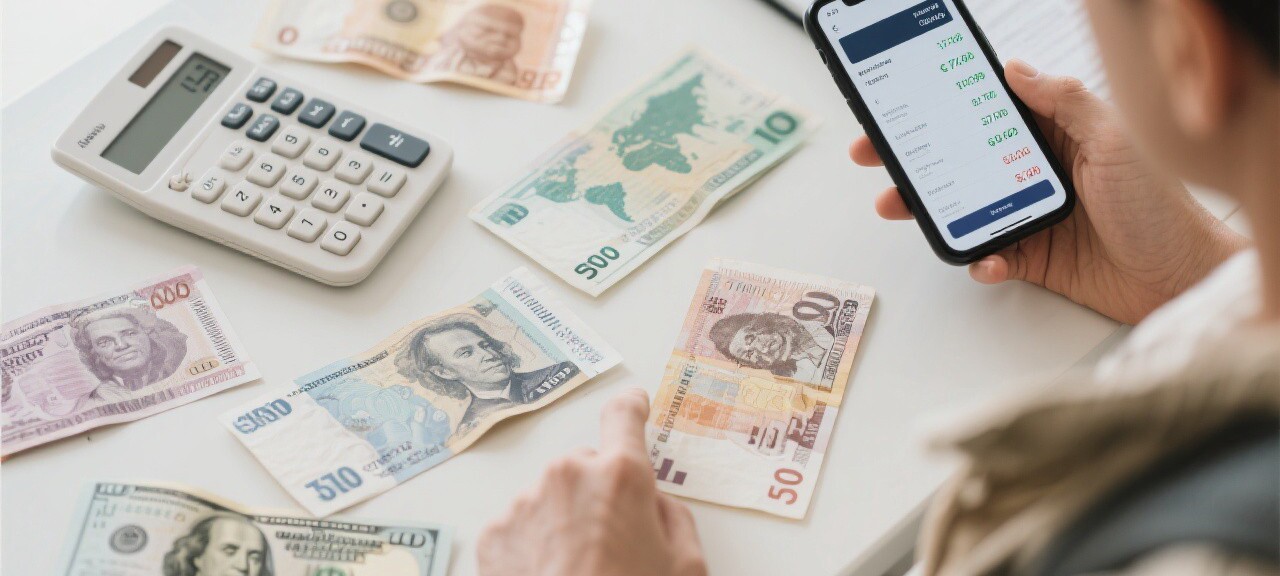
In January 2025, I planned a trip to Japan and budgeted $3,000 for three weeks. The exchange rate was 148 yen to the dollar. By the time I booked my flights in March, the rate had shifted to 155 yen to the dollar. That 5 percent shift meant my $3,000 was now worth 465,000 yen instead of 444,000 yen, a difference of 21,000 yen, or about $135. The exchange rate had moved in my favor, and I had not done anything to earn that extra $135 except wait. The opposite can also happen, and it did on my next trip to Europe, where the euro strengthened against the dollar between my planning and booking phases, effectively increasing my costs by about 8 percent.
Exchange rates are one of the most overlooked factors in travel budgeting. Most travelers pick a destination, estimate costs in their home currency, and go. They do not consider that the exchange rate might shift between the time they plan and the time they travel, turning a comfortable budget into a tight one. Understanding how exchange rates work and how to manage them can save you hundreds of dollars on any international trip.
How Exchange Rates Affect Your Budget
The exchange rate determines how much of a foreign currency your money can buy. When your home currency strengthens against the destination currency, your money goes further. When it weakens, your money buys less. A 10 percent shift in the exchange rate can add or subtract hundreds of dollars from your travel budget, depending on the length and cost of your trip.
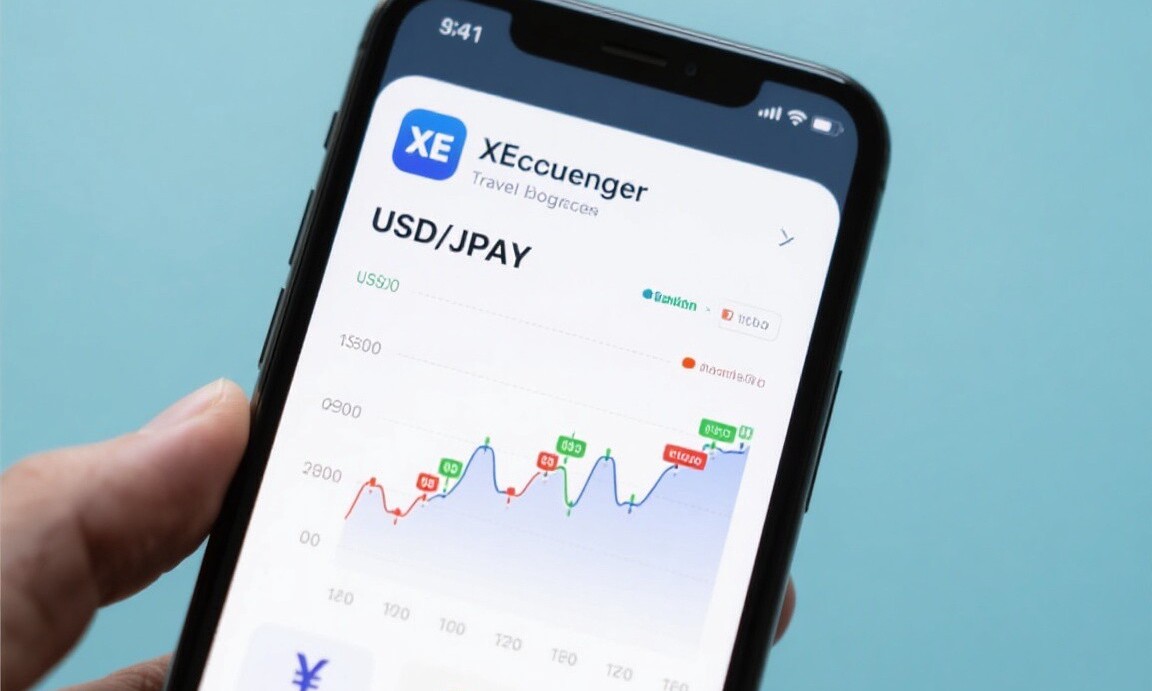
I track exchange rates using the XE app, which shows real-time rates for every currency pair. Before planning any trip, I check the current rate and compare it to the 12-month average. If the current rate is favorable, meaning my dollar buys more of the destination currency than average, I consider it a good time to visit. If the rate is unfavorable, I either delay the trip or choose a different destination where the rate is more favorable.
Japan in 2025 and 2026 has been a prime example of exchange rate impact on travel budgets. The yen has been historically weak, hovering around 148 to 158 yen per dollar. This means that everything in Japan, hotels, food, transport, activities, is effectively 30 to 40 percent cheaper for dollar holders than it was five years ago, when the rate was 105 to 110 yen per dollar. A hotel room in Tokyo that cost 15,000 yen per night was $143 at 105 yen per dollar but only $97 at 155 yen per dollar. The room is the same, the experience is the same, but the price in dollars has dropped by 32 percent solely due to the exchange rate.
Strategies for Managing Exchange Rate Risk
The most effective strategy is to lock in favorable exchange rates by converting money in advance. If I know I am going to Japan in six months and the current rate is favorable, I can buy yen now through my bank or a currency exchange service and hold it until my trip. This protects me if the yen strengthens before I travel. The downside is that if the yen weakens further, I would have been better off waiting. But for budgeting purposes, certainty is more valuable than speculation.
Another strategy is to choose destinations based on exchange rate favorability. When the dollar is strong against the euro, Europe is a good value. When the dollar is strong against the yen, Japan is a good value. When the dollar is strong against emerging market currencies, countries like Turkey, Argentina, and Egypt become extraordinary bargains. I maintain a mental list of destinations and their current exchange rate favorability, and I choose my next trip based on where my money goes furthest.
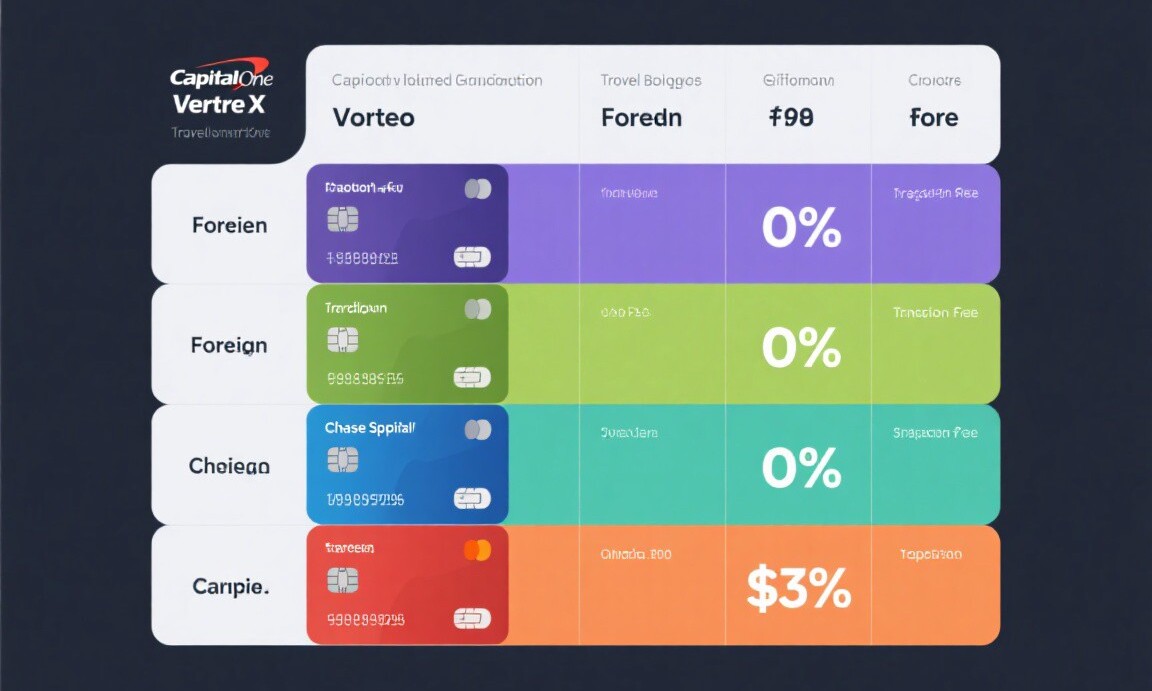
Credit card choice matters for exchange rate management. Cards that charge no foreign transaction fees and use the wholesale exchange rate, like the Capital One Venture X and the Chase Sapphire Preferred, give you the best available rate on every purchase. Cards that charge 3 percent foreign transaction fees effectively add 3 percent to the cost of everything you buy abroad. Over a two-week trip with $2,000 in spending, that is $60 in unnecessary fees. I use my Venture X for all international spending and have not paid a foreign transaction fee in three years.
ATM withdrawals are another consideration. I use my Charles Schwab debit card, which refunds all ATM fees worldwide and does not charge foreign transaction fees. The exchange rate applied by the ATM is the wholesale rate, which is very close to the mid-market rate. I withdraw local currency as needed, usually $100 to $200 at a time, and use my credit card for larger purchases. This minimizes the amount of cash I carry, reducing the risk of loss or theft, while still giving me local currency for small purchases and tips.
Exchange rates are not something you can control, but you can control how you respond to them. Checking rates before planning a trip, choosing destinations with favorable rates, locking in good rates when possible, and using the right financial products can save you hundreds of dollars. The exchange rate is the invisible hand that either stretches or shrinks your travel budget. Pay attention to it, and it will work in your favor more often than not.
Budget travel expert who has visited 60+ countries on a shoestring budget. She shares practical tips to help anyone travel for less.
Related Reading
Explore more articles on this topic from our travel guides and tips.
-
1
Traveling with Kids on a Budget: A Parent Survival Guide Budget Travel · Apr 29, 2026
-
2
How to Negotiate Better Hotel Rates Directly Hotel & Flight Deals · Apr 7, 2026
-
3
How to Travel Africa on a Backpacker Budget Budget Travel · May 8, 2026
-
4
Budget Guide to Argentina: Patagonia and Buenos Aires Destination Guides · Apr 12, 2026