How I Traveled Across Europe for $30 a Day
The InterRail pass sat on my desk for a week before I committed. Forty-five days, twelve countries, unlimited train travel across Europe, all for $530. That wor...
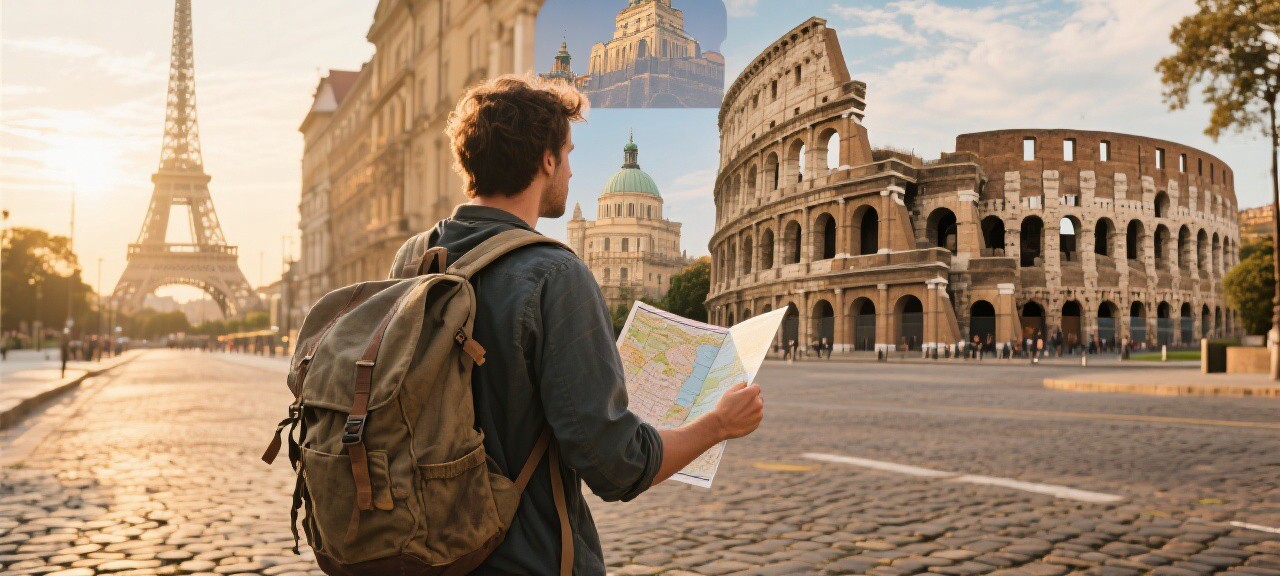
The InterRail pass sat on my desk for a week before I committed. Forty-five days, twelve countries, unlimited train travel across Europe, all for $530. That worked out to about $12 per day for transport, leaving me $18 per day for everything else: accommodation, food, activities, and the occasional beer. It was the most ambitious budget I had ever attempted, and I was not sure it was possible until I tried.
Forty-five days later, I had visited Portugal, Spain, France, Italy, Slovenia, Croatia, Hungary, Romania, Bulgaria, Greece, Montenegro, and Albania. My total spend was $1,387, which averaged $30.82 per day. I slept in hostels, camped on beaches, ate street food, and walked until my feet blistered. It was the most exhausting and exhilarating trip of my life.
Transport: The InterRail Pass and Buses
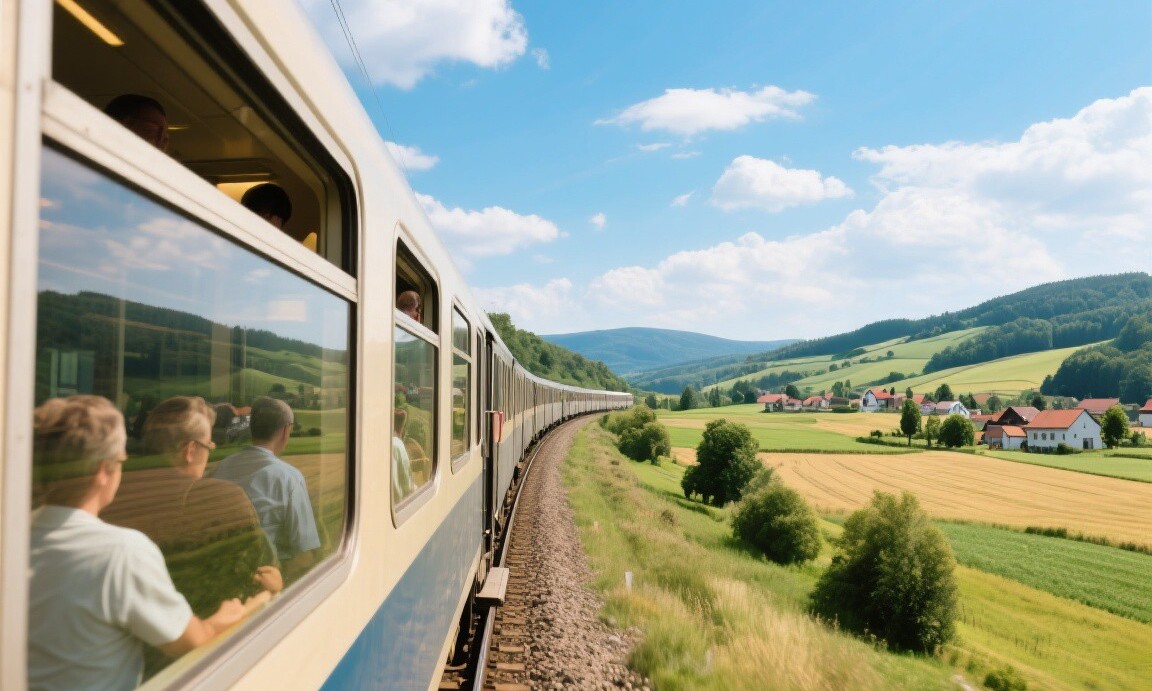
The InterRail Global Pass was the backbone of my trip. For $530, I got 45 days of unlimited train travel across 33 European countries. The pass covers the cost of the train, but many high-speed and night trains require a seat reservation that costs extra. I avoided these whenever possible by taking regional trains, which are slower but require no reservation. The regional train from Lisbon to Madrid took 12 hours instead of the high-speed train's 7 hours, but it cost nothing beyond the InterRail pass while the high-speed train would have required a 30 euro ($32) reservation.
Night trains were my secret weapon. I took night trains from Lisbon to Madrid, from Barcelona to Nice, and from Budapest to Bucharest. The night trains required reservations, 20 to 35 euros, but they saved me a night of accommodation. A couchette on the Lisbon to Madrid night train cost 25 euros ($27), which was cheaper than any hostel in Madrid. I slept in a six-person cabin with a Spanish family, a German backpacker, and a snoring man from Belgium. It was not comfortable, but it was cheap and efficient.
For countries where train service was limited or unreliable, I used buses. FlixBus connected most European cities for 10 to 30 euros ($11 to $32). In Albania, where the train system is virtually nonexistent, I used local furgons, shared minivans that depart when full, for 500 to 1,000 lek ($5 to $10) between cities. The furgon from Tirana to Saranda took five hours along a coastal road with views of the Adriatic Sea that were worth every bumpy minute.
Accommodation and Food Strategies
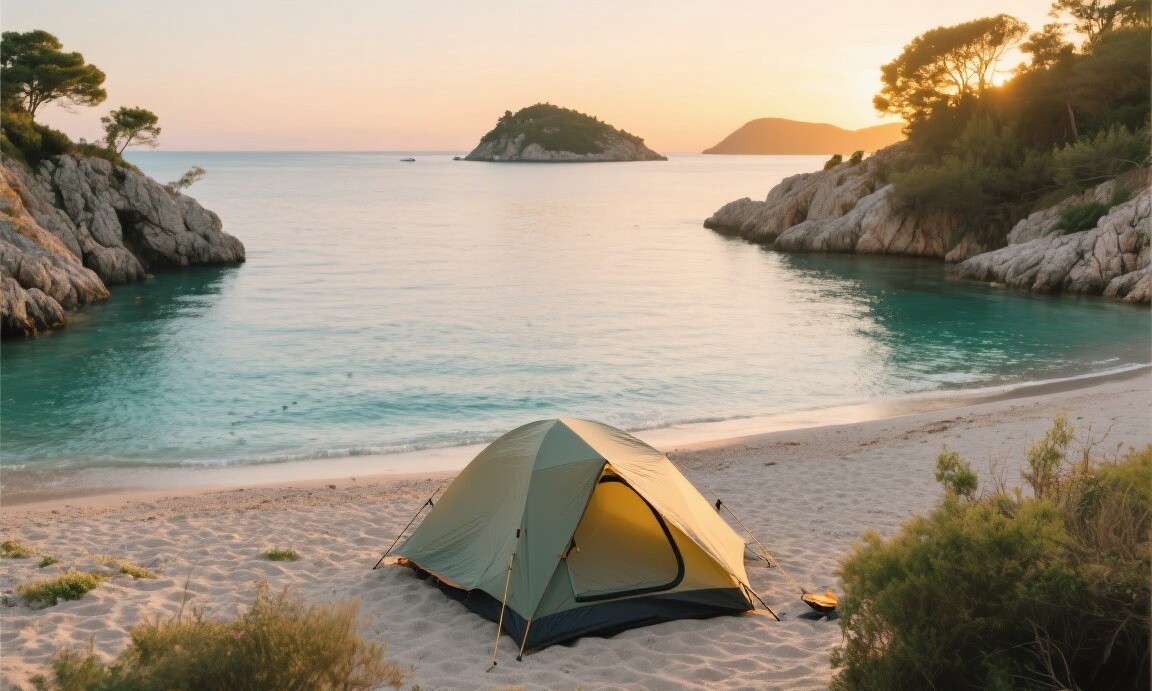
Hostel dorms averaged 12 to 18 euros ($13 to $19) per night across Eastern Europe and 20 to 28 euros ($22 to $30) in Western Europe. To keep my average under $15, I mixed dorm stays with camping and Couchsurfing. I carried a lightweight tent that weighed 1.2 kilograms and camped on beaches in Croatia, Montenegro, and Albania, all of which allow wild camping. In Ksamil, Albania, I pitched my tent on a beach with a view of three small islands in turquoise water. The camping was free, the sunset was spectacular, and I fell asleep to the sound of waves.
Couchsurfing, the platform where locals offer free accommodation to travelers, saved me in expensive cities. I surfed with a retired teacher named Maria in Rome, who cooked me a three-course pasta dinner and gave me a private room with a balcony overlooking Trastevere. In Athens, I stayed with a young architect named Nikos who took me to a rooftop bar with a view of the Acropolis that no tourist would ever find. Couchsurfing is not reliable for every night, but when it works, it provides the best accommodation experience possible: free, personal, and authentic.
Food was my biggest daily expense and the area where I had to be most disciplined. My daily food budget was $10, which I achieved by eating bakery items for breakfast (a croissant and coffee for 2 to 3 euros), street food or supermarket meals for lunch (a kebab, slice of pizza, or grocery store sandwich for 3 to 5 euros), and cooking in hostel kitchens for dinner (pasta with vegetables for 2 to 3 euros). In Bulgaria, I discovered that a banitsa from a bakery cost 1 lev ($0.55) and was filling enough for breakfast. In Italy, a slice of pizza al taglio from a bakery cost 2.50 euros ($2.70) and was a complete meal. In Greece, a gyro wrap cost 3 euros ($3.25) and was the best value meal in Europe.
Traveling across Europe for $30 a day is not a comfortable experience. It requires constant vigilance over your spending, a willingness to sleep in uncomfortable places, and the physical stamina to walk miles every day. But it is possible, and the depth of experience you gain from slow, budget travel across a continent is something that no amount of money can buy. I saw the sunrise from the Acropolis, swam in the Adriatic, ate street food in a dozen countries, and slept under stars on Albanian beaches. The total cost was less than many people spend on a one-week resort vacation.
Budget travel expert who has visited 60+ countries on a shoestring budget. She shares practical tips to help anyone travel for less.
Related Reading
Explore more articles on this topic from our travel guides and tips.
-
1
The $500 a Month Digital Nomad Guide to Bali Hotel & Flight Deals · Apr 20, 2026
-
2
How Exchange Rates Affect Your Travel Budget and How to Play Them Smart Budget Travel · Apr 17, 2026
-
3
Camping While Traveling: The Ultimate Budget Accommodation Hack Budget Travel · Apr 10, 2026
-
4
How to Get Travel Insurance That Actually Covers What You Need Budget Travel · Apr 12, 2026