How I Saved $5000 for Travel in 6 Months Working a Regular Job
I opened a separate savings account on January 2nd and set up an automatic transfer of $200 per week from my checking account. My salary was $52,000 per year af...
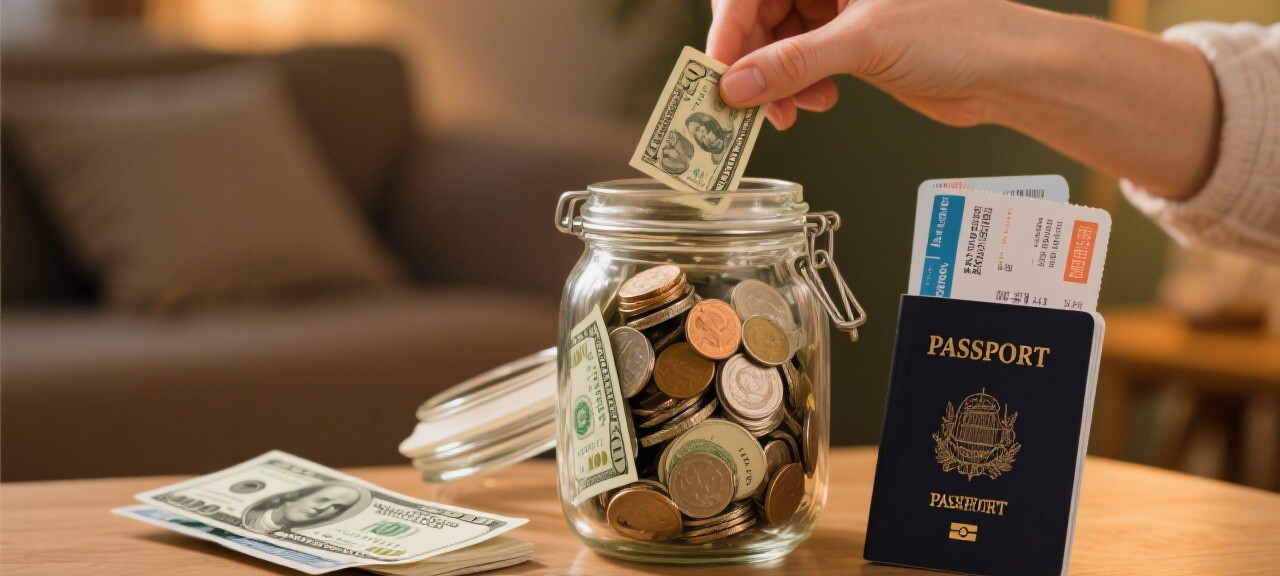
I opened a separate savings account on January 2nd and set up an automatic transfer of $200 per week from my checking account. My salary was $52,000 per year after taxes, which left me with about $4,333 per month. Rent was $1,400, utilities were $150, my car payment was $280, insurance was $120, and my phone bill was $65. That left $2,318 per month for food, entertainment, and savings. The $200 per week transfer ($867 per month) was aggressive, but I was determined to make it work because I had a specific goal: a three-month trip through Southeast Asia that I estimated would cost $5,000.
Six months later, on June 28th, my savings account balance was $5,234. I had saved enough for the trip, plus a small buffer. The automatic transfer was the foundation, but I also made several other changes to my spending that accelerated the savings. Here is exactly what I did, with specific numbers, so you can replicate the process.
The Automatic Savings Foundation
The automatic transfer was the single most important element of my savings plan. By setting it up on January 2nd, I ensured that the money was gone from my checking account before I had a chance to spend it. I never saw the $200 per week as available money. It was already allocated. Psychologically, this is much easier than manually transferring money at the end of the month, because manual transfers require discipline and willpower, which are finite resources. Automatic transfers require neither.
I chose a high-yield savings account at Ally Bank that paid 4.25 percent APY at the time. Over six months, the interest earned was about $95, which was not life-changing but was free money. The account had no minimum balance requirement and no monthly fees, which meant every dollar I deposited went toward my goal. I also set up the account with a specific name: "Southeast Asia Trip." Seeing that name every time I logged into my banking app reinforced the purpose of the savings and made it harder to justify withdrawals.
The $200 per week was calculated based on my income and fixed expenses. I needed to save $5,000 in 26 weeks, which is $192 per week. I rounded up to $200 to create a small buffer. The key was that this number was realistic. I could have set it higher, but I knew that if the transfer was too aggressive, I would eventually raid the savings account to cover shortfalls, which would defeat the purpose. A sustainable savings rate is more important than an ambitious one.

Spending Cuts and Income Boosts
I audited every dollar I spent in December, the month before I started saving, and identified three major areas where I could cut: dining out, subscriptions, and shopping. In December, I spent $480 on restaurants and bars, $87 on subscriptions, and $310 on non-essential shopping. Over six months, that was $5,262 in potential savings if I eliminated these categories entirely, which was not realistic. But cutting them in half was achievable.
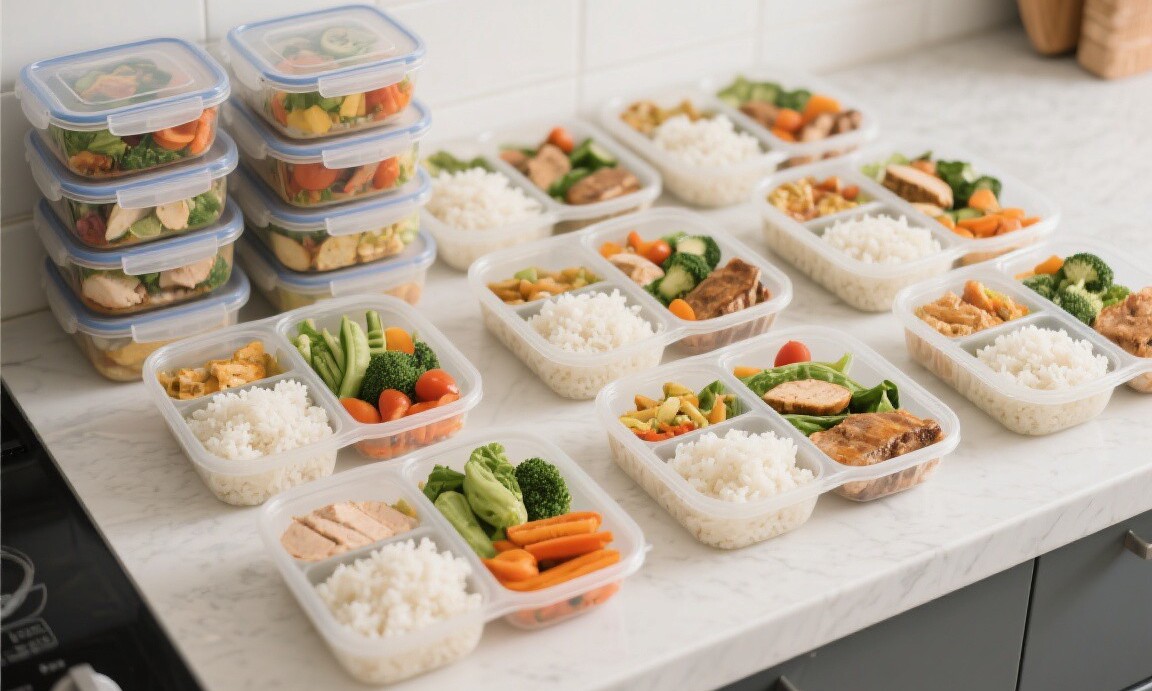
I reduced restaurant spending by meal prepping on Sundays. Every Sunday, I spent two hours cooking a large batch of rice, grilled chicken, roasted vegetables, and a soup or stew. These meals lasted me through Wednesday, and I repeated the process on Wednesday evening for Thursday through Saturday. Sunday was my "eat out" day. This reduced my food spending from $480 per month to about $220 per month, a savings of $260. I also stopped buying coffee at cafes and made it at home, saving about $60 per month.
Subscriptions were an easy cut. I canceled Netflix ($15.49), Spotify ($10.99), a gym membership I was not using ($45), and two magazine subscriptions ($12 total). I kept my internet connection ($65) and my phone plan ($65) because I needed both for work. The total subscription savings were $83 per month, or $498 over six months. I replaced Netflix and Spotify with the free versions of Tubi and Spotify's ad-supported tier, which was a minor downgrade that saved me $26 per month.
For additional income, I started selling items I no longer needed on Facebook Marketplace and eBay. Over six months, I sold old clothes, electronics, and furniture for a total of $890. I also took on a freelance writing project that paid $500 for a travel article. This additional income went directly into the travel savings account and accelerated my timeline by about three weeks.
The final math: automatic savings of $5,200 (26 weeks times $200), plus interest of $95, plus spending cuts of approximately $2,100, plus additional income of $1,390, minus a few small setbacks, gave me a total of $5,234. The trip to Southeast Asia ended up costing $4,800, and I returned with $434 still in the account, which became the seed money for my next trip. Saving $5,000 in six months on a regular salary is not easy, but it is not heroic either. It requires a clear goal, an automatic savings mechanism, honest spending cuts, and patience. The trip I took with that money was worth every sacrifice.
Former airline analyst turned travel deal hunter. Tom knows every trick to find the cheapest flights and hotels.
Related Reading
Explore more articles on this topic from our travel guides and tips.
-
1
Camping While Traveling: The Ultimate Budget Accommodation Hack Budget Travel · Apr 10, 2026
-
2
How Exchange Rates Affect Your Travel Budget and How to Play Them Smart Budget Travel · Apr 17, 2026
-
3
Layover Hacks: Turning a Boring Wait Into a Free Mini Vacation Travel Hacks · Apr 3, 2026
-
4
How to Book Flights with Points and Miles: A Complete Beginner Guide Hotel & Flight Deals · Apr 18, 2026