How to Travel During Peak Season Without Paying Peak Prices
Everyone tells you to travel during shoulder season. "Go in May or September," they say. "Avoid July and August." But sometimes you cannot choose when you trave...

Everyone tells you to travel during shoulder season. "Go in May or September," they say. "Avoid July and August." But sometimes you cannot choose when you travel. Kids have school schedules. Jobs have vacation windows. Festivals happen on specific dates. I have traveled during peak season for five of the past six years, sometimes by choice and sometimes by necessity, and I have developed strategies that consistently save me 20 to 40 percent compared to the prices that most peak-season travelers pay.
Timing Within Peak Season
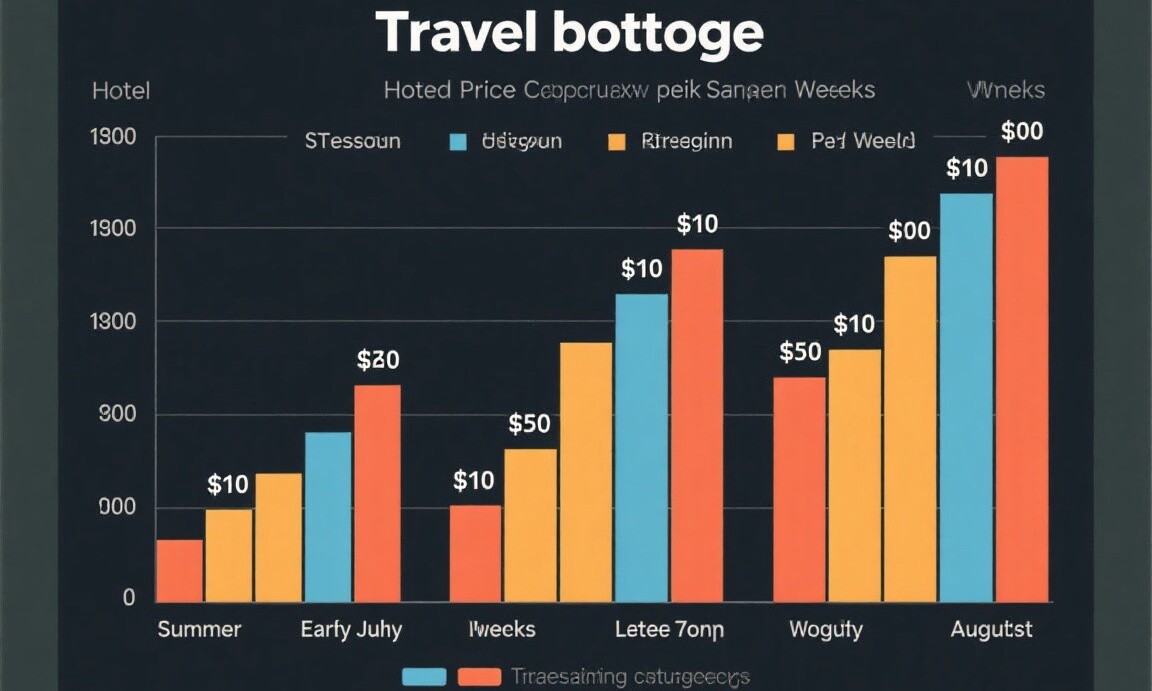
Even within peak season, there are cheaper windows. The first two weeks of July are typically cheaper than the last two weeks, because European schools do not break until late June or early July. The last week of August is cheaper than the first week, because many European countries have already started their return-to-school period. In the US, the week after Labor Day is dramatically cheaper than the week before, even though both are technically summer.
I tested this in Greece in August 2025. I booked a hotel in Santorini for the first week of August and paid 120 euros ($130) per night. The same hotel for the last week of August was 75 euros ($81) per night. The weather was identical, the sea was the same temperature, and the restaurants were all still open. The only difference was the number of tourists, which was lower in late August, making the experience actually better. I now always check prices for the edges of peak season before booking the middle.
Midweek travel is another timing strategy. Hotels and flights are consistently cheaper from Tuesday through Thursday than from Friday through Sunday, even during peak season. In Barcelona in July, a hotel room on a Wednesday night cost 89 euros ($96) while the same room on a Saturday night cost 145 euros ($157). The difference was 63 percent. I shifted my Barcelona trip by two days, arriving on Wednesday instead of Friday, and saved 168 euros ($182) over three nights without sacrificing any experience.
Location and Accommodation Strategies
During peak season, the most popular destinations charge the highest prices. The obvious counter-strategy is to visit less popular destinations that offer similar experiences. Instead of Santorini, visit Naxos or Paros in the Greek Cyclades. Instead of Amalfi Coast, visit Puglia in southern Italy. Instead of Dubrovnik, visit Split or Zadar in Croatia. These alternatives have the same weather, similar scenery, and a fraction of the crowds and prices.
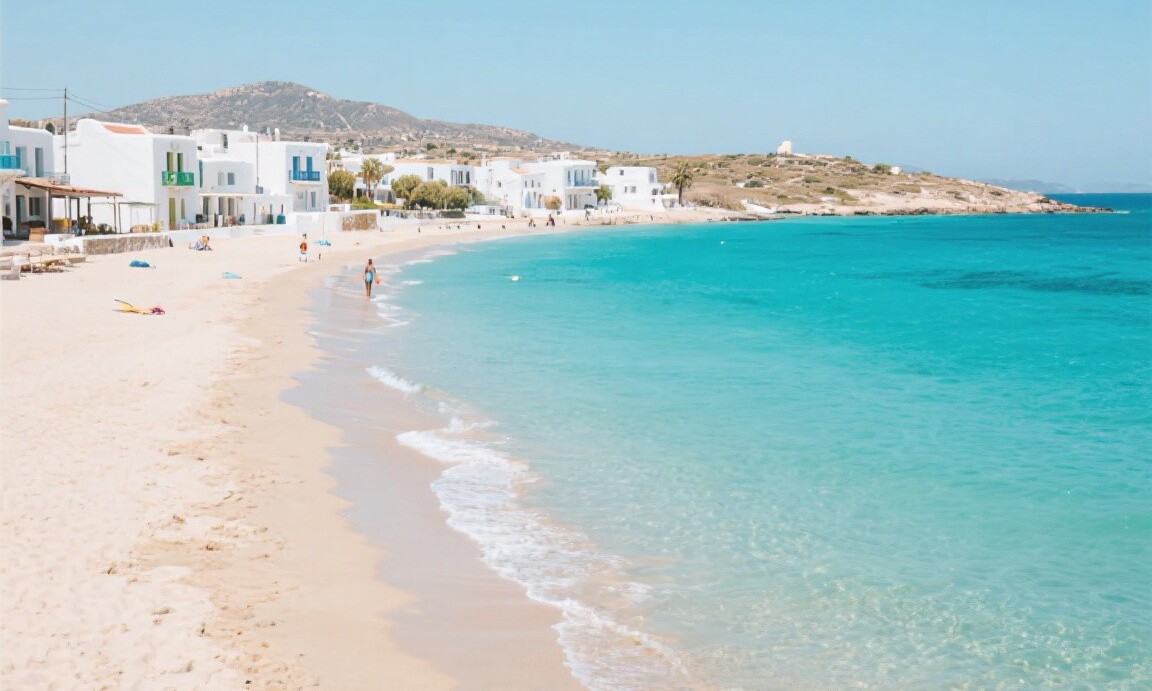
In Greece, I stayed on Naxos instead of Santorini during peak August travel. A studio apartment on Naxos, 100 meters from the beach, cost 50 euros ($54) per night. A comparable room on Santorini was 180 euros ($195). Naxos has longer beaches, better food, fewer tourists, and mountains that rise dramatically from the sea. The only thing Santorini has that Naxos does not is the famous caldera view, which is beautiful but not worth paying three times the price for.
The shoulder season strategy is about more than just saving money. It is about having a better experience. In Dubrovnik, I visited in late September instead of July or August. The weather was still warm enough to swim, but the cruise ships had stopped coming and the Old Town was navigable without fighting through crowds. I walked the city walls at sunset with only a dozen other people instead of the hundreds who pack the walkway in peak summer. The experience was worth more than the money I saved.
I also use the "shoulder day" strategy within peak season. Even in the busiest summer months, Tuesdays and Wednesdays are less crowded than weekends at popular attractions. In Rome, I visited the Colosseum on a Wednesday morning and walked right in with no wait. On Saturday, the line wrapped around the building. The ticket was the same price, but the experience was completely different. When you must travel in peak season, choose your days wisely.
For accommodation, I avoid hotels during peak season and use Airbnb or hostels instead. Hotels raise their rates aggressively during peak season because demand is high and they know travelers have limited alternatives. Airbnb hosts and hostels are less likely to engage in peak-season price gouging, and the gap between hotel and alternative accommodation prices widens during busy periods. In Dubrovnik in July, a hotel room in the Old Town cost 200 euros ($216) per night. An Airbnb apartment 10 minutes from the Old Town cost 70 euros ($76). The apartment had a kitchen, a washing machine, and a terrace with a sea view. The hotel had a bed and a minibar.
Booking early is the final strategy. Peak-season prices increase as availability decreases. The earlier you book, the more options you have and the lower the prices. I book peak-season accommodation three to four months in advance, which often locks in prices that are 30 to 50 percent below what last-minute bookers will pay. In 2025, I booked a hotel in Reykjavik for the first week of June (peak season in Iceland) in February, and paid 12,000 ISK ($87) per night. By May, the same hotel was charging 22,000 ISK ($160) per night.
Peak season does not have to mean peak prices. By traveling at the edges of the season, choosing midweek dates, visiting alternative destinations, using non-hotel accommodation, and booking early, I have consistently saved 20 to 40 percent on peak-season travel. The experience is often better because the crowds are smaller and the locals are less frazzled. Peak season is the worst time to pay full price. With a little strategy, it can also be the best time to get a deal.
Budget travel expert who has visited 60+ countries on a shoestring budget. She shares practical tips to help anyone travel for less.
Related Reading
Explore more articles on this topic from our travel guides and tips.
-
1
Eating Well on the Road Without Blowing Your Budget Budget Travel · Apr 15, 2026
-
2
Long-Term Stay Deals: How to Get Monthly Hotel Rates Hotel & Flight Deals · Apr 29, 2026
-
3
Traveling with Kids on a Budget: A Parent Survival Guide Budget Travel · Apr 29, 2026
-
4
Exploring Colombia Beyond Cartagena: A Budget Traveler Guide Destination Guides · Apr 5, 2026