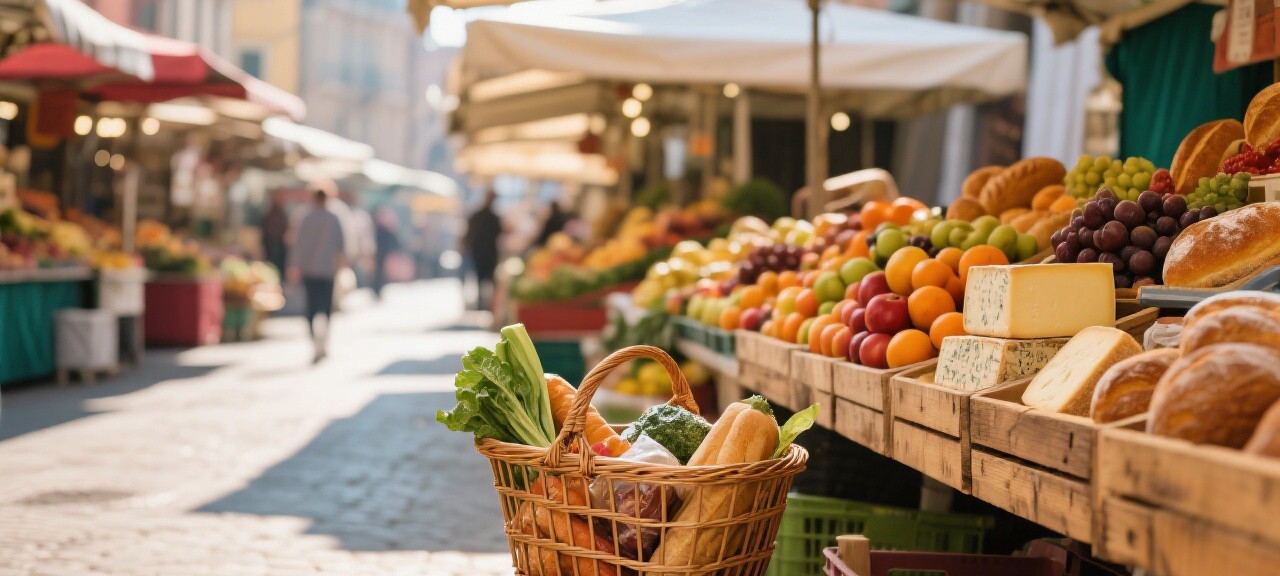
A Budget Guide to the Caucasus: Georgia, Armenia, and Azerbaijan
The marshrutka, a Soviet-era minibus, lurched to a stop on the side of a mountain road in Georgia, and the driver shouted something in Georgian that I later lea...
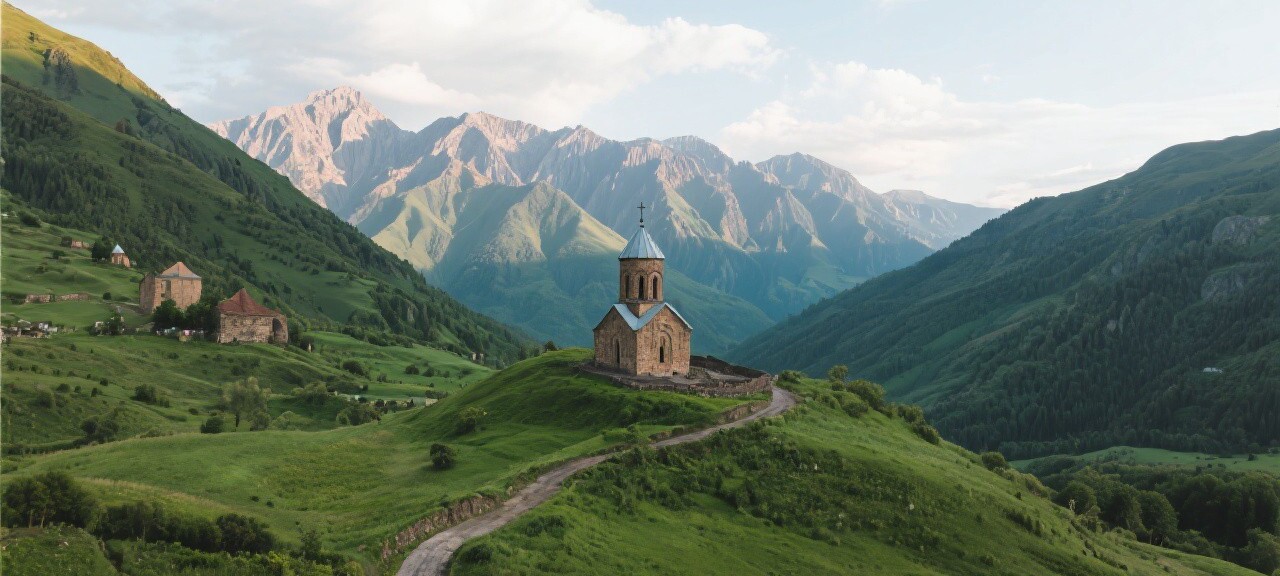
The marshrutka, a Soviet-era minibus, lurched to a stop on the side of a mountain road in Georgia, and the driver shouted something in Georgian that I later learned meant "everybody out." I stepped into thin mountain air and looked down at a valley so green it hurt my eyes. Snow-capped peaks rose in the distance, a medieval watchtower stood on the nearest ridge, and a herd of cows wandered past me on the road without a shepherd in sight. I was three days into my trip through the Caucasus, and I had already decided it was the most underrated region I had ever visited. I paid 5 lari ($1.90) for that marshrutka ride from Tbilisi to Stepantsminda, and the scenery along the way was worth ten times that.
The Caucasus, the mountainous region between the Black Sea and the Caspian Sea, consists of three countries: Georgia, Armenia, and Azerbaijan. All three were part of the Soviet Union until 1991, and all three are now independent, affordable, and largely ignored by Western tourists. I spent five weeks traveling through all three on a budget of $30 per day, and I left feeling like I had discovered something that most travelers do not know exists.
Georgia: Wine, Mountains, and the Best Bread on Earth
Tbilisi, the capital of Georgia, is a city of crumbling Art Nouveau buildings, sulfur baths, and a food culture that deserves international recognition. I stayed at the Fabrika Hostel, a converted Soviet sewing factory that now houses a hostel, a cafe, a coworking space, and a weekly farmers market. A dorm bed cost 35 lari ($13). The building still has the original concrete columns and industrial windows, and the courtyard is filled with young Georgians drinking natural wine and smoking on vintage furniture.
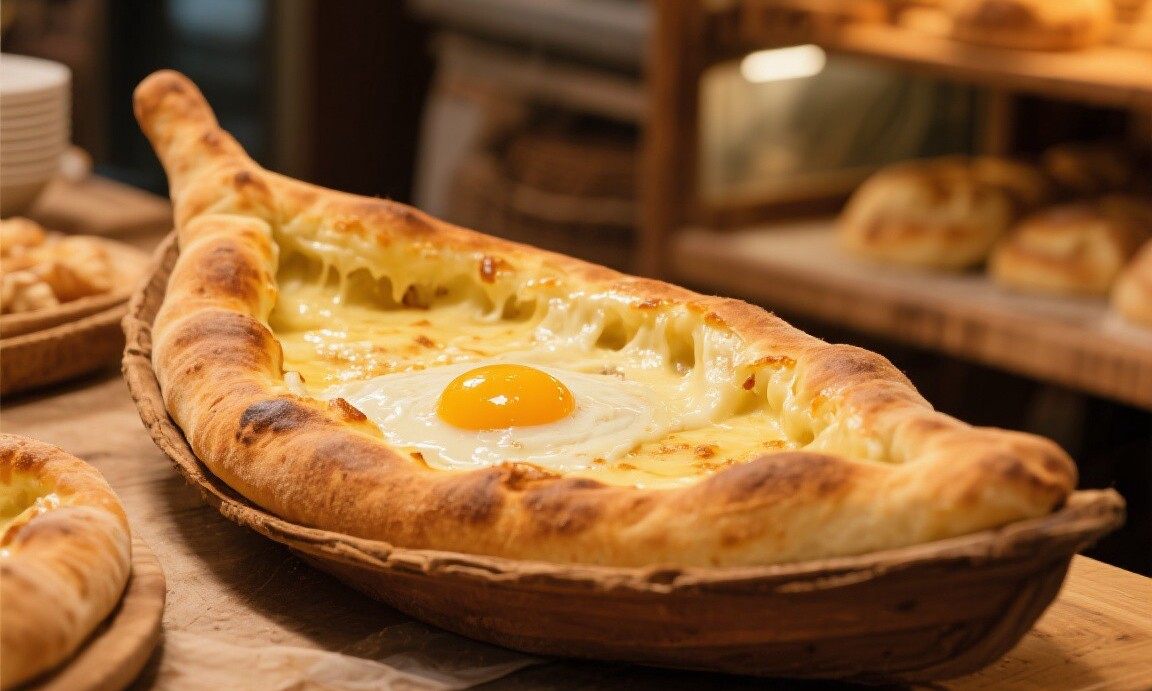
Georgian food is extraordinary. Khinkali, large soup dumplings filled with spiced meat and broth, cost 1.50 lari ($0.56) each at a restaurant called Pasanauri on the outskirts of Tbilisi. The trick to eating khinkali is to bite the top, drink the broth, then eat the rest. I ate twelve of them my first night and could barely walk back to the hostel. Khachapuri, a boat-shaped bread filled with molten cheese and a runny egg, cost 8 lari ($3) at a bakery near the Fabrika. The bread was warm, the cheese was sharp and salty, and the egg yolk mixed with the cheese into a sauce that I wanted to put on everything I ate for the rest of my life.
Georgia is also one of the oldest wine-producing regions in the world, with an 8,000-year history of viticulture. I visited the Kakheti wine region, east of Tbilisi, on a day trip that cost 40 lari ($15) including transport and tastings at two wineries. The wine is made using traditional qvevri, large clay vessels buried underground, and the taste is unlike any wine I have had elsewhere. I bought a bottle of Saperavi, a red wine made from a grape that grows only in Georgia, for 15 lari ($5.65) and drank it on the roof of my hostel watching the sun set over the city.
Armenia: Ancient Churches and Deep Canyons
I crossed from Georgia to Armenia by marshrutka, a four-hour journey through mountain passes that cost 15 lari ($5.65). The border crossing was painless, and within an hour of entering Armenia, the landscape had changed from lush green to dry, golden hills dotted with apricot orchards. Yerevan, the capital, sits in the shadow of Mount Ararat, the snow-capped volcano where Noah's Ark is said to have landed. The mountain is actually in Turkey, just across the border, but from Yerevan it dominates the skyline like a white cone floating above the haze.
I stayed at the Envoy Hostel in Yerevan for 6,000 Armenian drams ($15) per night in a dorm. The hostel organizes free walking tours of the city, and my guide, a young woman named Ani, took us to the Republic Square, the Cascade, a massive stairway with modern art installations, and the Vernissage, an open-air market selling Soviet-era memorabilia, carved wood, and hand-woven carpets. I bought a small hand-painted ceramic plate for 3,000 drams ($7.50) that I still have on my desk.
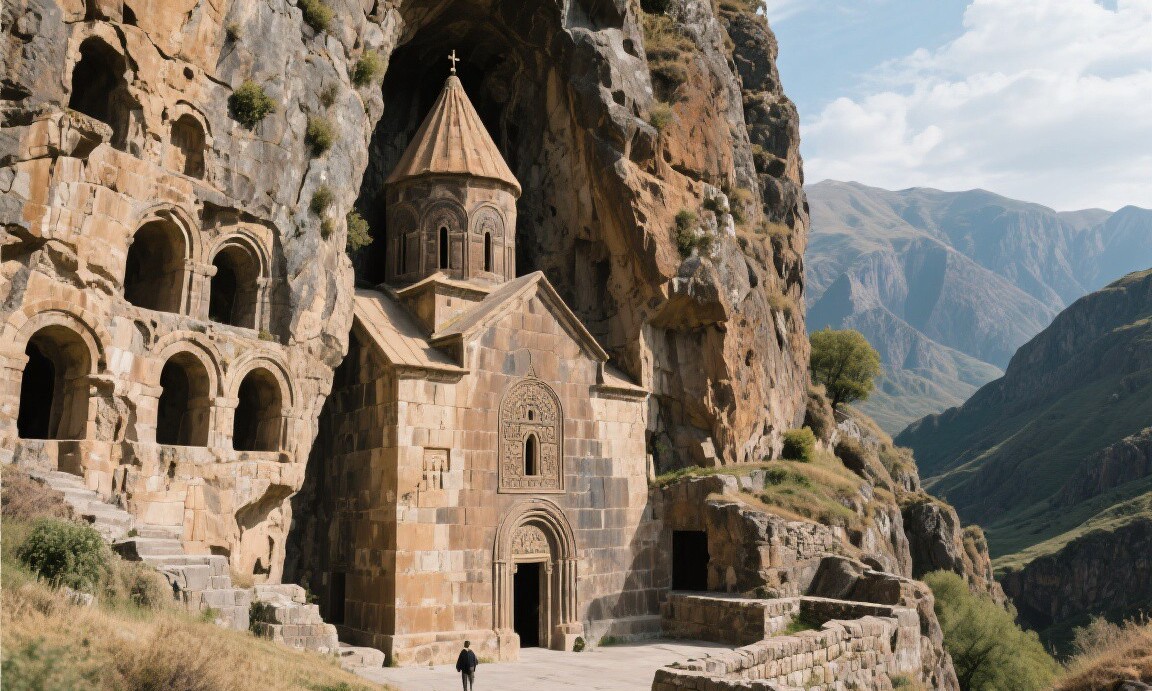
The highlight of Armenia was a day trip to Geghard Monastery, a 12th-century church carved directly into the side of a mountain cliff. The rock walls inside the church were smooth and cold to the touch, and the acoustics were so perfect that a monk chanting in a corner filled the entire space with sound. I stood there for ten minutes, alone except for the echo, and felt a stillness I have rarely experienced. The marshrutka to Geghard and back cost 1,000 drams ($2.50). Entrance was free.
Azerbaijan: Oil Money and Fire Temples
Azerbaijan was the most expensive and the most surprising of the three countries. I took an overnight train from Tbilisi to Baku, the capital, for 45 lari ($17). The train was a relic of Soviet rail travel: wood-paneled compartments, a samovar in the corridor, and a conductor who knocked on my door at 6 AM with a cup of black tea. Baku is a city of contrasts: the Old City, a UNESCO World Heritage site with narrow stone alleys and 15th-century mosques, sits in the shadow of the Flame Towers, three glass skyscrapers shaped like tongues of fire that glow with LED lights at night.
I stayed at the Baku Backpackers Hostel for 20 Azerbaijani manat ($12) per night. Food in Baku was more expensive than in Tbilisi or Yerevan: a meal at a local restaurant cost 8 to 12 manat ($5 to $7), and a cup of tea at a tea house in the Old City cost 1 manat ($0.60). The tea houses of Baku are an institution: men sit on low stools, drink tea from armudu glasses, pear-shaped glasses that keep the tea hot at the top and cool at the bottom, and play backgammon for hours. I spent an entire afternoon in a tea house watching old men argue over backgammon moves and listening to the clatter of the wooden pieces on the board.
Five weeks in the Caucasus cost me $1,050, or $30 per day. Georgia was the cheapest at $25 per day, Armenia was $28, and Azerbaijan was $38. The region is safe, the people are hospitable, the food is outstanding, and the history is staggering. The Caucasus feels like Europe was 30 years ago: affordable, uncrowded, and genuinely surprised to see a foreign tourist. Go before the secret gets out.
Former airline analyst turned travel deal hunter. Tom knows every trick to find the cheapest flights and hotels.
Related Reading
Explore more articles on this topic from our travel guides and tips.
-
1
How Exchange Rates Affect Your Travel Budget and How to Play Them Smart Budget Travel · Apr 17, 2026
-
2
Turkey on a Budget: Istanbul and Beyond for Less Destination Guides · May 12, 2026
-
3
How to Avoid Dynamic Currency Conversion Traps When Paying Abroad Travel Hacks · May 3, 2026
-
4
Budget Travel in Indonesia Beyond Bali Destination Guides · Apr 28, 2026