Why Hostels Are Better Than You Think in 2026
The woman in the bunk below me was a retired German schoolteacher named Helga. She was 68 years old, traveling alone through Vietnam, and she had been staying i...

The woman in the bunk below me was a retired German schoolteacher named Helga. She was 68 years old, traveling alone through Vietnam, and she had been staying in hostels for three months. "Hotels are lonely," she told me over breakfast at the Vietnam Backpacker Hostel in Hanoi. "In a hostel, you meet people. In a hotel, you watch television." She had a point. That evening, Helga, a 23-year-old Australian named Tom, a Japanese woman named Yuki, and I went to a bia hoi corner and spent $3 each on beer and grilled pork while sharing travel stories until midnight. I never would have met any of them in a hotel.
Hostels have evolved dramatically in the past decade. The party hostels with sticky floors and drunk 20-year-olds still exist, but they are now a small subset of a much broader ecosystem. Modern hostels range from boutique properties with designer interiors to eco-lodges in the jungle to co-living spaces with dedicated workstations. I have stayed in over 100 hostels across 40 countries, and the average quality has increased every year. Here is what hostels actually look like in 2026, and why they might be a better choice than you think.
The Modern Hostel Experience
Private rooms in hostels have become the biggest surprise. Many hostels now offer private rooms with en-suite bathrooms at prices that are 40 to 60 percent below comparable hotel rooms. In Budapest, I stayed in a private room at the Wombat's City Hostel for $32 per night. A hotel room in the same neighborhood with the same amenities, private bathroom, free WiFi, daily housekeeping, and a central location, would have cost $80 to $100. The only difference was that the hostel had shared common areas, which was a benefit, not a drawback.
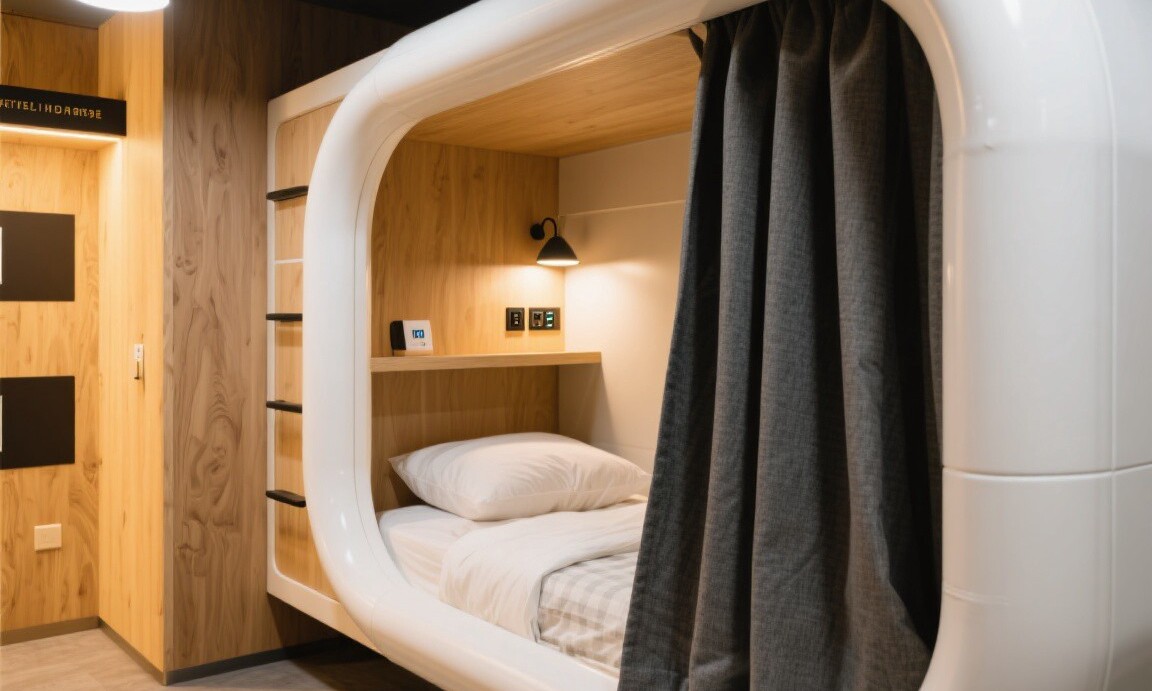
Dorm beds have also improved. The trend toward "pod" style dorms, where each bed has a curtain, a reading light, a power outlet, and a small shelf, has transformed the dorm experience from an exercise in forced intimacy to something approaching privacy. At the Generator Hostel in Paris, my dorm bed had a privacy curtain, an individual reading lamp, two USB charging ports, and a lockable storage compartment. The bed was larger than some hotel beds I have slept in, and the curtain gave me enough privacy to feel comfortable. The cost was 35 euros ($38) per night, compared to 120 euros ($130) for the cheapest hotel room in the same area.
Amenities at modern hostels often rival those of mid-range hotels. Free WiFi is universal, and the speed is usually faster than what hotels offer because hostels know their guests need it for planning and communication. Many hostels have swimming pools, rooftop bars, co-working spaces, and organized activities. The Selina hostel chain, which operates in 12 countries, offers a hybrid model with coworking memberships, yoga classes, surf lessons, and weekly events. At Selina Medellin, I paid $18 per night for a dorm bed and had access to a rooftop pool, a co-working space with 100 Mbps internet, and daily yoga classes.
Social Benefits and Practical Tips
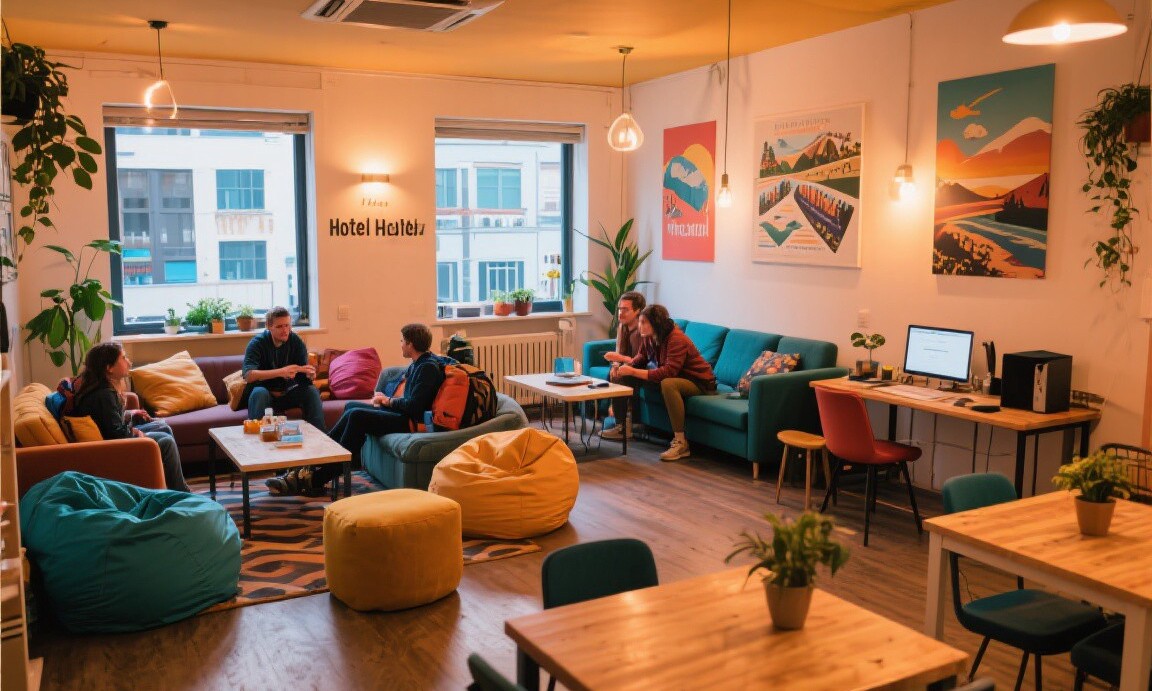
The social aspect of hostels is their most undervalued benefit. Solo travelers in hotels are, by definition, alone. Solo travelers in hostels are surrounded by potential friends. The common areas, kitchens, and organized events create natural opportunities for conversation and connection. I have met lifelong friends in hostels, people I have traveled with, visited in their home countries, and stayed in touch with for years. The serendipity of hostel socializing, meeting someone from a different country who introduces you to a place, a food, or a perspective you would never have encountered otherwise, is impossible to replicate in a hotel.
Hostel kitchens are another practical benefit. Having access to a full kitchen saves a significant amount of money on food. In Queenstown, New Zealand, where restaurant prices are among the highest in the world, I cooked dinner in the hostel kitchen every night using ingredients from the Pak'nSave supermarket. A meal that would have cost $30 at a restaurant cost me $6 to prepare. Over a week, the kitchen saved me $168, more than the cost of the hostel bed itself.
Not all hostels are good, and choosing the right one matters. I always read reviews on Hostelworld before booking, focusing on the recent reviews (last three months) and specifically looking for comments about cleanliness, security, and WiFi quality. I avoid hostels with ratings below 8.0 and always check the location on a map before booking. A cheap hostel that is an hour from the city center is not actually cheap when you factor in transport costs and time. My go-to hostel chains, based on consistent quality across multiple countries, are Generator, Wombat's, Selina, and St. Christopher's Inn.
Hostels in 2026 are not what they were in 2010, and they are certainly not what your parents remember from their backpacking days. They are clean, comfortable, social, and remarkably affordable. If you have not stayed in a hostel in the past five years, you owe it to yourself to try one. The worst that happens is you save money and meet interesting people. The best that happens is you discover a way of traveling that is more fun, more connected, and more affordable than anything a hotel can offer.
Budget travel expert who has visited 60+ countries on a shoestring budget. She shares practical tips to help anyone travel for less.
Related Reading
Explore more articles on this topic from our travel guides and tips.
-
1
Budget Travel in South Korea: Seoul and Beyond Destination Guides · Apr 17, 2026
-
2
Grocery Shopping While Traveling: My Complete Strategy Budget Travel · May 6, 2026
-
3
How to Get VIP Lounge Access Without Business Class Tickets Travel Hacks · May 5, 2026
-
4
How to Find Last-Minute Hotel Deals That Are Actually Good Hotel & Flight Deals · Apr 24, 2026