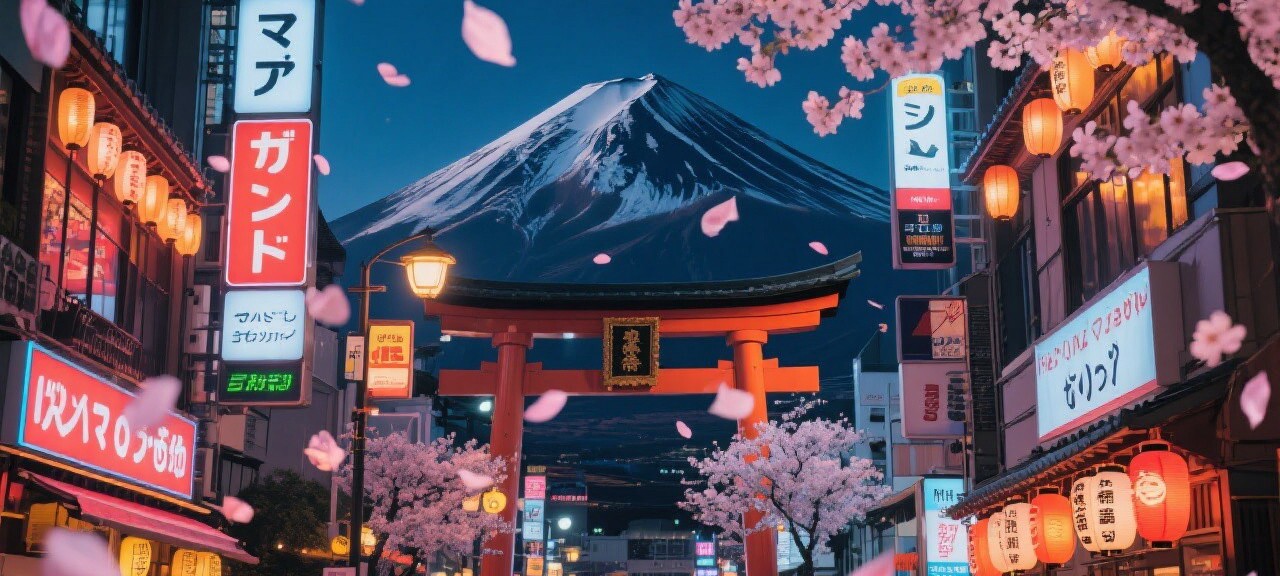
Budget Travel in South Korea: Seoul and Beyond
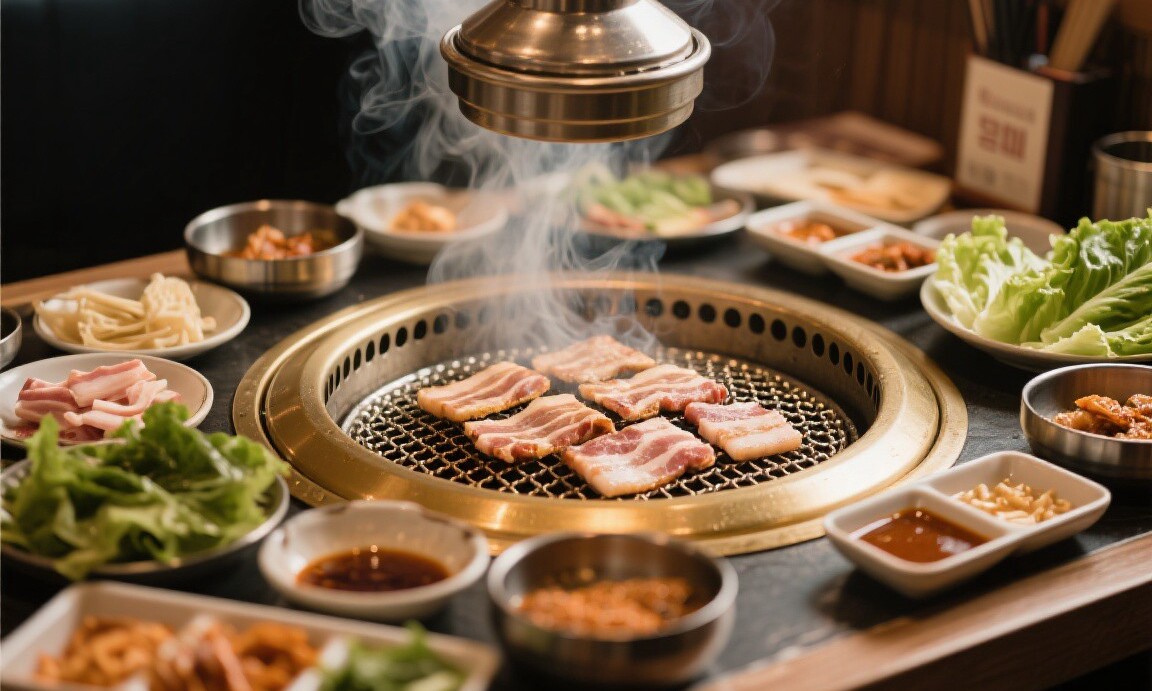
The Korean barbecue restaurant in Seoul's Mapo district charged 9,000 won ($6.70) per person for unlimited pork belly, lettuce wraps, and side dishes. The grill...
The Korean barbecue restaurant in Seoul's Mapo district charged 9,000 won ($6.70) per person for unlimited pork belly, lettuce wraps, and side dishes. The grill was built into the table, the meat sizzled and popped as the fat rendered, and the server, a woman in her sixties who moved with the efficiency of someone who had flipped meat for 30 years, refilled our side dishes without being asked. I ate until I was uncomfortable, which took about 90 minutes, and the bill was 9,000 won. In Tokyo, a comparable meal would have cost 4,000 yen ($27). South Korea is the best-value developed country in Asia, and it is not close.
I spent ten days in South Korea, covering Seoul, Busan, and Gyeongju, on a daily budget of $45. That included accommodation, food, transport, and all activities. South Korea has the infrastructure of Japan at half the price, the food culture of China with better hygiene, and a vibrant cultural scene that makes it one of the most exciting countries in the world to visit right now.
Seoul: Street Food and K-Culture
I stayed at the Hongdae guesthouse in the Mapo district for 25,000 won ($18.60) per night in a private room with a shared bathroom. Hongdae is the university district, full of young people, live music venues, and street art. The guesthouse was basic but clean, and the owner, a retired engineer named Mr. Park, made Korean breakfast every morning: rice, kimchi, soup, and grilled fish. The breakfast alone was worth the room rate.
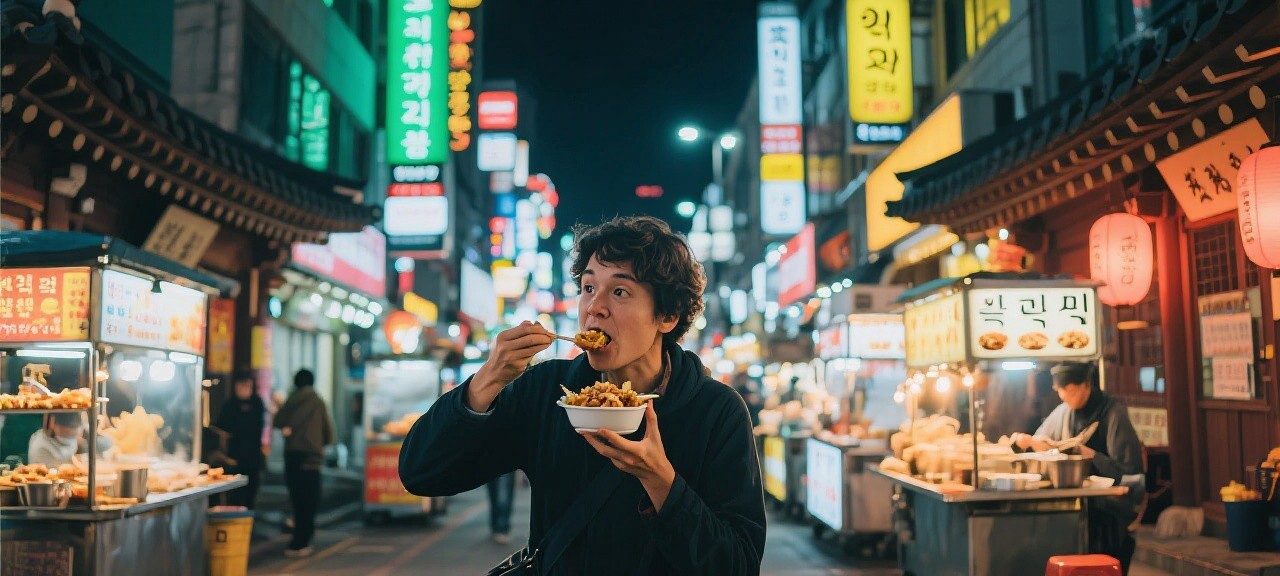
Seoul's street food is concentrated in several markets, the best of which is Gwangjang Market. A plate of bindaetteok, mung bean pancakes, at a stall that has been operating since 1930 costs 4,000 won ($3). A serving of gimbap, seaweed rice rolls, costs 2,500 won ($1.85). A cup of hotteok, sweet pancakes filled with brown sugar and cinnamon, costs 2,000 won ($1.50). I ate my way through Gwangjang Market for 15,000 won ($11.20) and was too full for dinner.
The subway system in Seoul is the best I have used in any city, including Tokyo. It is clean, fast, cheap, and has English signage throughout. A single ride costs 1,400 won ($1.05), and a day pass costs 4,500 won ($3.35). I bought a T-money card at a convenience store for 2,500 won ($1.85) and loaded it with 20,000 won ($14.90). The card works on subways, buses, and taxis, and it gives a 100-won discount on every transfer. I spent about 5,000 won ($3.70) per day on transport in Seoul, which is less than a single subway ride in London.
Busan and Gyeongju
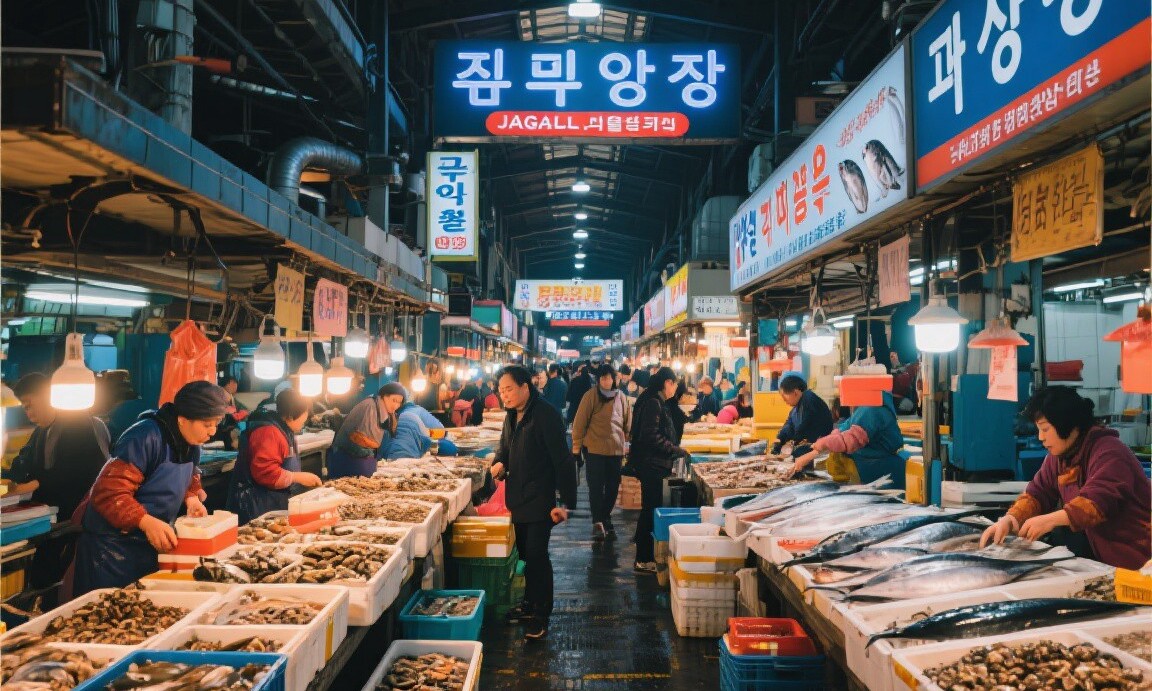
I took the KTX high-speed train from Seoul to Busan, which costs 59,800 won ($44.50) and takes 2 hours and 15 minutes. Busan, South Korea's second city, is a coastal city known for its beaches, seafood, and the Jagalchi Fish Market, the largest seafood market in Korea. I stayed at a guesthouse near Haeundae Beach for 30,000 won ($22.40) per night. The room was small but had ocean views and was a three-minute walk from the beach.
The K-pop phenomenon in South Korea is impossible to ignore, even for someone like me who does not follow the music. In Hongdae, I stumbled upon a street performance by a group of young dancers covering BTS choreography. The crowd was hundreds deep, everyone filming on their phones, screaming when the dancers hit a particularly difficult move. After the performance, the dancers sold photocards and stickers to their fans. I bought a set for 5,000 won ($3.70) as a souvenir for my niece, who is obsessed with K-pop.
The jjimjilbang experience is another Korean tradition that every visitor should try. These are 24-hour bathhouses where you can soak in hot tubs, sweat in saunas, and sleep overnight for a fraction of the cost of a hotel. I went to Dragon Hill Spa in Seoul, a massive complex with seven floors of pools, saunas, and relaxation areas. The entry fee was 15,000 won ($11.20) for 12 hours. I soaked in a mugwort bath, sweated in a salt room, and slept on the heated floor of a communal sleeping room. It was one of the most relaxing experiences of my trip.
The Jagalchi Fish Market is an experience that engages all senses. The ground floor is a wholesale market where fishmongers sell everything from tiny anchovies to 50-kilogram tuna. The second floor has restaurants that will cook whatever you buy from the market below. I selected a live flatfish from a vendor for 15,000 won ($11.20), carried it upstairs to a restaurant, and had it prepared as sashimi for an additional 5,000 won ($3.70). The total cost was 20,000 won ($14.90) for one of the freshest sashimi meals of my life, the fish had been swimming an hour earlier.
Gyeongju, the ancient capital of the Silla Kingdom, is a 45-minute bus ride from Busan and costs 6,000 won ($4.50). The city is an open-air museum of Korean history, with royal tombs, ancient temples, and the Cheomseongdae Observatory, the oldest surviving astronomical observatory in Asia, built in 647 AD. The entrance to the Bulguksa Temple, a UNESCO World Heritage site, costs 5,000 won ($3.70). The temple is stunning, with stone pagodas, wooden halls, and mountain views that justify the trip from Busan on their own.
Ten days in South Korea cost me $450, or $45 per day. I ate Korean barbecue, sashimi, and street food until I was stuffed, rode one of the best subway systems in the world, visited ancient temples and modern markets, and experienced a country that is simultaneously deeply traditional and cutting-edge modern. South Korea is the budget traveler's gateway to developed Asia, and it delivers far more than its price suggests.
Budget travel expert who has visited 60+ countries on a shoestring budget. She shares practical tips to help anyone travel for less.
Related Reading
Explore more articles on this topic from our travel guides and tips.
-
1
How to Keep Your Phone Charged During Long Travel Days Travel Hacks · Apr 18, 2026
-
2
Error Fares and Mistake Fares: How to Catch Them Before They Disappear Hotel & Flight Deals · May 3, 2026
-
3
How I Traveled Japan for 21 Days on $1200 Budget Travel · May 10, 2026
-
4
How I Saved $5000 for Travel in 6 Months Working a Regular Job Budget Travel · Apr 18, 2026