A Week in Morocco on a Backpacker Budget
The bus from Marrakech dropped me in Fes at 6 AM, and the city was already awake. Donkeys carrying propane tanks clattered through the narrow medina streets, th...
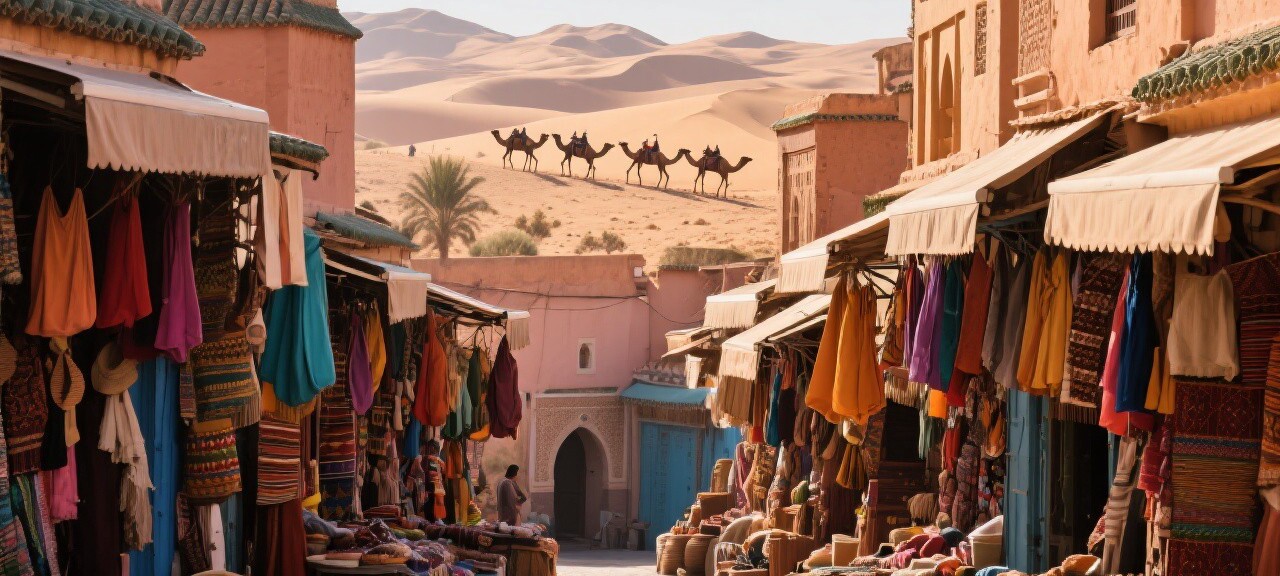
The bus from Marrakech dropped me in Fes at 6 AM, and the city was already awake. Donkeys carrying propane tanks clattered through the narrow medina streets, their hooves echoing off walls that had stood for a thousand years. I followed a boy carrying a tray of fresh bread to a small cafe, where I paid 8 dirhams ($0.80) for a glass of mint tea and a seat by the window. The tea was sweet and hot, and the morning light filtering through the wooden lattice created patterns on the floor. This was day one of my week in Morocco, and I had $280 to make it last seven days.
Morocco is a sensory assault in the best possible way. The call to prayer echoes across cities five times daily. The souks overflow with spices, leather goods, and carpets. The food—tagines, couscous, pastilla—is flavorful and cheap. For backpackers willing to embrace the chaos, Morocco offers an intense cultural experience at prices that make Europe look ridiculous. Here is exactly how I spent my week and my budget.
Fes: Getting Lost in the Medina
The medina of Fes el-Bali is the world's largest car-free urban area, a labyrinth of 9,400 streets and alleys where GPS is useless and getting lost is inevitable. I stayed at Riad Verus, a converted traditional house with a central courtyard and rooftop terrace, for 120 dirhams ($12) per night including breakfast of fresh bread, olive oil, and honey. The riad was in the heart of the medina, which meant carrying my bag through narrow passages to reach it, but the location was perfect for exploration.
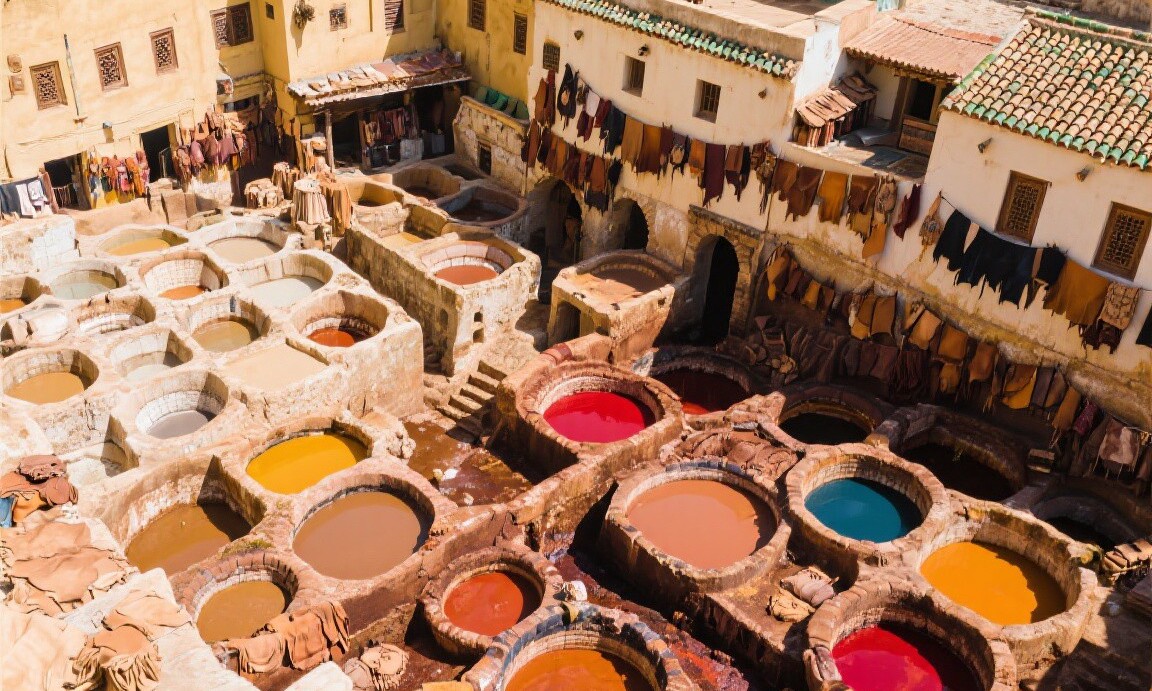
I spent two full days wandering the medina without a map, following my nose and the flow of foot traffic. The Chouara Tannery, where leather has been processed using the same methods for a thousand years, was overwhelming—the smell of pigeon droppings and cow urine used in the curing process hits you before you see the colorful dye pits. The view from the leather shops overlooking the tannery is worth the sensory assault. I bought a small leather pouf for 150 dirhams ($15) after negotiating down from 400.
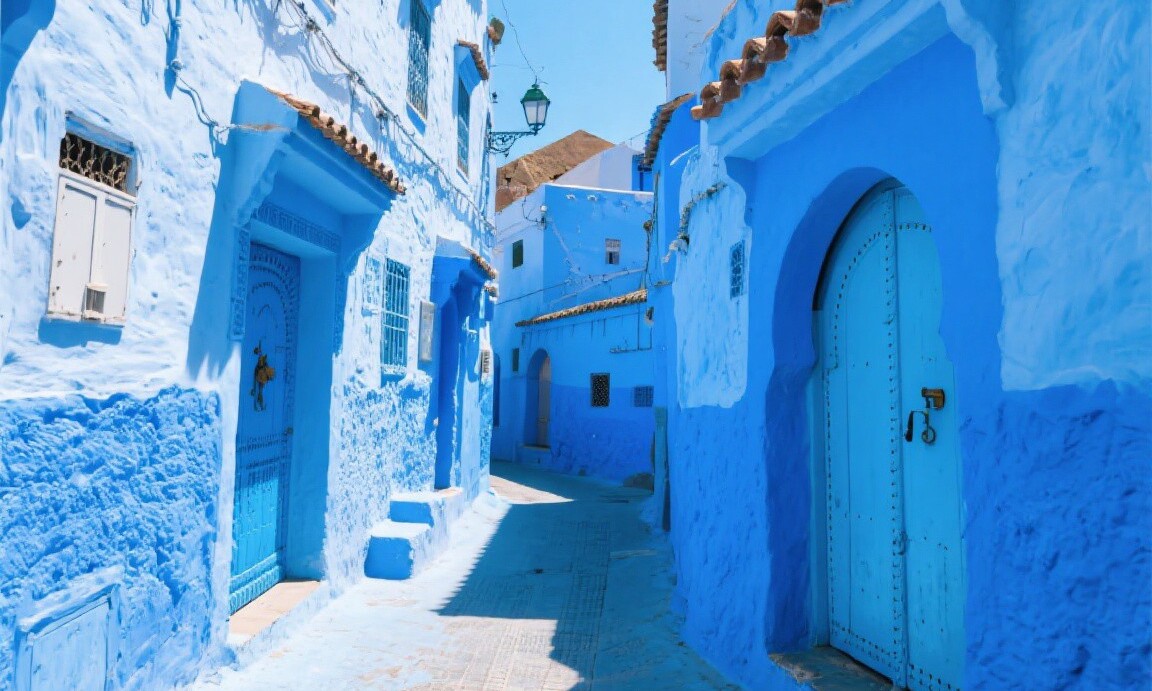
Chefchaouen: The Blue City
A four-hour bus ride from Fes brought me to Chefchaouen, the famous blue city nestled in the Rif Mountains. The bus cost 75 dirhams ($7.50) and wound through mountain passes with views of cannabis fields—the Rif is Morocco's primary cannabis-growing region. Chefchaouen exists in shades of blue, from pale sky to deep indigo, every wall and door painted in variations of the same color.
I stayed at Hostel Souika for 80 dirhams ($8) per night in a dormitory with a rooftop terrace overlooking the blue-washed medina. The hostel owner, a Berber man named Omar, cooked us a communal dinner of chicken tagine with preserved lemons and olives for 50 dirhams ($5) per person. We ate on the roof as the sun set behind the mountains, the call to prayer rising from multiple mosques across the city.
The best part of Chefchaouen was simply wandering. Every turn revealed another blue alley, another wooden door with intricate carvings, another cat sleeping in a patch of sunlight. I hiked to the Spanish Mosque overlooking the city at sunset—a 45-minute uphill walk that cost nothing and provided the best views. The mosque itself was closed, but the viewpoint was packed with travelers watching the blue city turn gold in the fading light.
Marrakech: Controlled Chaos
The bus from Chefchaouen to Marrakech took eight hours and cost 110 dirhams ($11), winding through mountain passes and fertile valleys before descending to the plains. Marrakech hit me like a wall of heat and noise—motorbikes weaving through pedestrians, snake charmers in Jemaa el-Fnaa square, the smell of orange blossoms and exhaust mixing in the air.
I stayed in the Gueliz neighborhood, the modern part of Marrakech, at a hostel called The Madrassa for 90 dirhams ($9) per night. It was a 20-minute walk from the medina but significantly quieter and cheaper than staying inside the old city. The Koutoubia Mosque's minaret was visible from the rooftop terrace, and the call to prayer at sunset was beautiful rather than overwhelming.
Jemaa el-Fnaa square transforms at night. By day, it's relatively quiet—orange juice stalls, snake charmers, men with monkeys on chains. By night, it becomes an open-air food market with a hundred stalls selling grilled meats, tagines, and snail soup. I ate at stall number 14, recommended by a local, and paid 40 dirhams ($4) for a lamb tagine with bread and mint tea. The food was excellent, the atmosphere electric, and the total cost less than a sandwich in Paris.
The Majorelle Garden, Yves Saint Laurent's former residence, was the one splurge at 70 dirhams ($7) entry fee. The cobalt blue buildings and bamboo groves provided a peaceful escape from the medina chaos. The adjacent YSL Museum cost another 100 dirhams ($10), which I skipped—my budget was running tight on day six.
My total spend for seven days in Morocco was $274, under my $280 budget. That included two nights in Fes, two nights in Chefchaouen, three nights in Marrakech, all transport between cities, food, one guided tour of the Fes medina (100 dirhams/$10), entry to the Majorelle Garden, and a leather pouf souvenir. Morocco proved that you can experience intense culture, stunning landscapes, and incredible food on a tight budget if you are willing to embrace the chaos and negotiate for everything.
Budget travel expert who has visited 60+ countries on a shoestring budget. She shares practical tips to help anyone travel for less.
Related Reading
Explore more articles on this topic from our travel guides and tips.
-
1
How to Book Multi-City Flights Without Overpaying Hotel & Flight Deals · May 6, 2026
-
2
Eastern Europe Cities That Are Cheaper Than You Think Destination Guides · May 10, 2026
-
3
Budget Weekend Getaways from Major US Cities Destination Guides · Apr 8, 2026
-
4
Budget Travel in South Korea: Seoul and Beyond Destination Guides · Apr 17, 2026