Off-the-Beaten-Path Destinations in Europe That Cost Half as Much
I was sitting in a cafe in Plovdiv, Bulgaria, drinking a cappuccino that cost 3 leva ($1.65) and eating a banitsa, a flaky pastry filled with cheese, that cost...
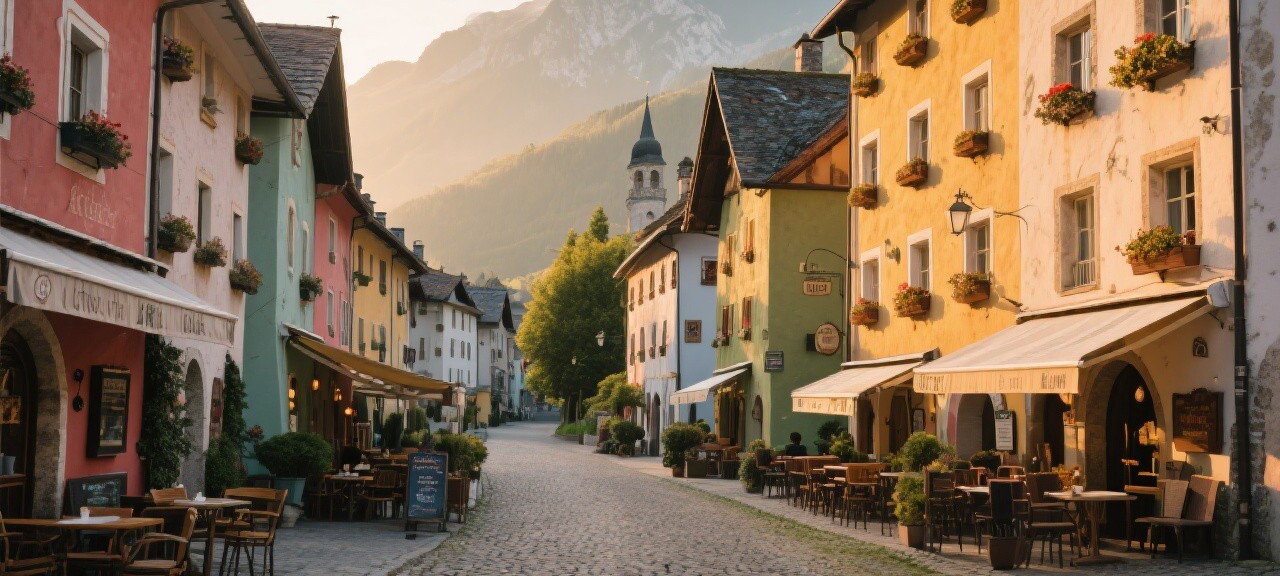
I was sitting in a cafe in Plovdiv, Bulgaria, drinking a cappuccino that cost 3 leva ($1.65) and eating a banitsa, a flaky pastry filled with cheese, that cost 1.50 leva ($0.82). The cafe was in a building that was 200 years old, with exposed stone walls and wooden beams that had survived two world wars and an Ottoman occupation. The view from my table was of the Roman amphitheater, built in the 2nd century AD, now used for summer opera performances. A similar cafe in Rome, with a fraction of the history, would have charged me 5 euros ($5.40) for the coffee alone. Plovdiv was my third off-the-beaten-path European destination that month, and the pattern was consistent: stunning experiences at half the price of the tourist hotspots.
Europe's most popular destinations, Paris, Rome, Barcelona, Amsterdam, are popular for a reason, but they are also expensive and crowded. The continent is full of cities and regions that offer equally rich cultural experiences at a fraction of the cost. I have spent the past three years seeking these places out, and these are the ones that have delivered the most value.
Plovdiv, Bulgaria and Pecs, Hungary
Plovdiv is one of the oldest cities in Europe, with a history spanning 8,000 years. Its Old Town is a maze of cobblestone streets lined with painted National Revival-era houses, many of which have been converted into galleries, restaurants, and boutique hotels. I stayed at the Old Plovdiv Guest House for 40 leva ($22) per night, a room in a restored 19th-century house with antique furniture and a balcony overlooking the street. The Roman amphitheater, discovered during a road construction project in the 1970s, is free to walk around and costs 10 leva ($5.50) for a guided tour. The Philippopolis Art Gallery, housed in a former tobacco warehouse, charges 5 leva ($2.75) and has an impressive collection of Bulgarian art.
Pecs, Hungary, is a city of 150,000 people in southern Hungary, near the Croatian border. It has a stunning Ottoman-era mosque, the Mosque of Pasha Qasim, which was built in the 16th century and now serves as a Catholic church, a bizarre and beautiful fusion of Islamic and Christian architecture. The city also has a thriving wine culture, with the Villany wine region just 30 kilometers away. I took a wine tour through a local operator called Pecs Wine Tours for 8,000 forint ($22), which included visits to three wineries and tastings of 12 wines. A bottle of Villany cabernet sauvignon at the winery cost 1,500 forint ($4.10). In Budapest, the same quality wine would cost 4,000 to 5,000 forint ($11 to $14).
Brasov, Romania and Mostar, Bosnia
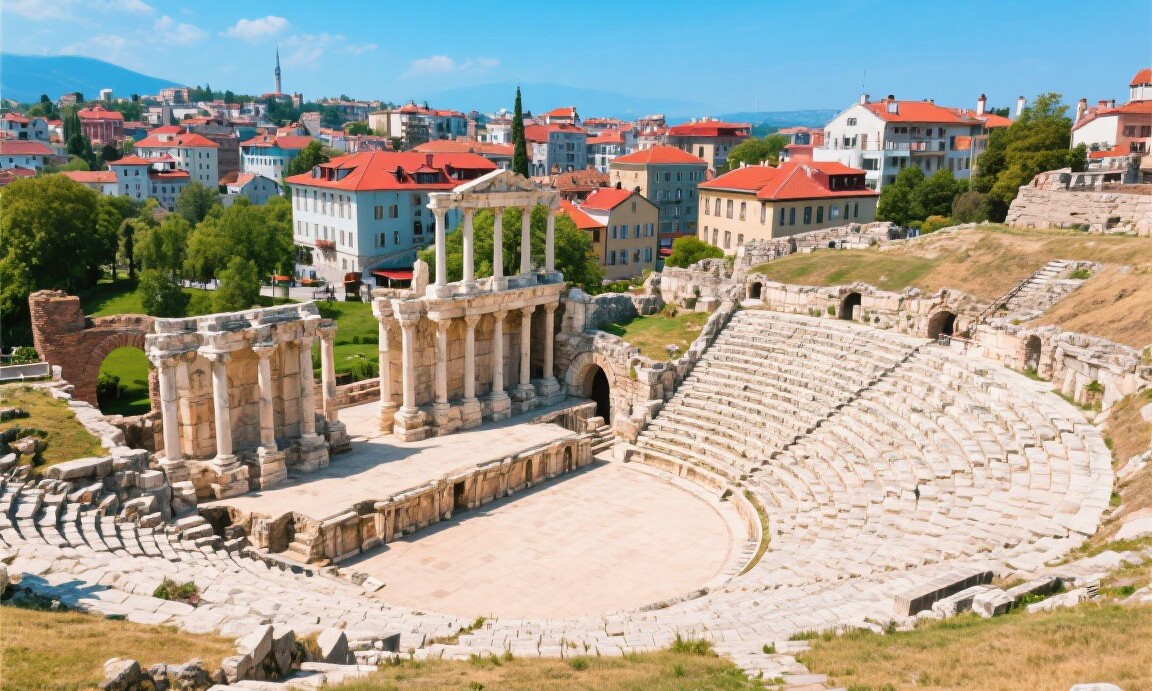
Brasov, Romania, is a Transylvanian city surrounded by the Carpathian Mountains. Its medieval center is anchored by the Black Church, the largest Gothic church in Eastern Europe, and the Tampa Mountain, which you can reach by cable car for 17 lei ($3.70) for panoramic views of the city and the surrounding peaks. I stayed at the Rolling Pin Hostel for 70 lei ($15) per night in a private room. The hostel had a kitchen where I cooked meals using ingredients from the local market, where a kilogram of tomatoes cost 5 lei ($1.10) and a loaf of bread cost 3 lei ($0.65).
Brasov is also the base for visiting Bran Castle, commonly associated with the Dracula legend. A bus from Brasov to Bran costs 15 lei ($3.30) each way, and the castle entrance fee is 50 lei ($11). The castle is smaller and less dramatic than the tourist marketing suggests, but the surrounding village of Bran is charming, with local vendors selling honey, cheese, and tuica, a potent plum brandy that costs 10 lei ($2.20) per glass and will warm you from the inside out on a cold Transylvanian afternoon.
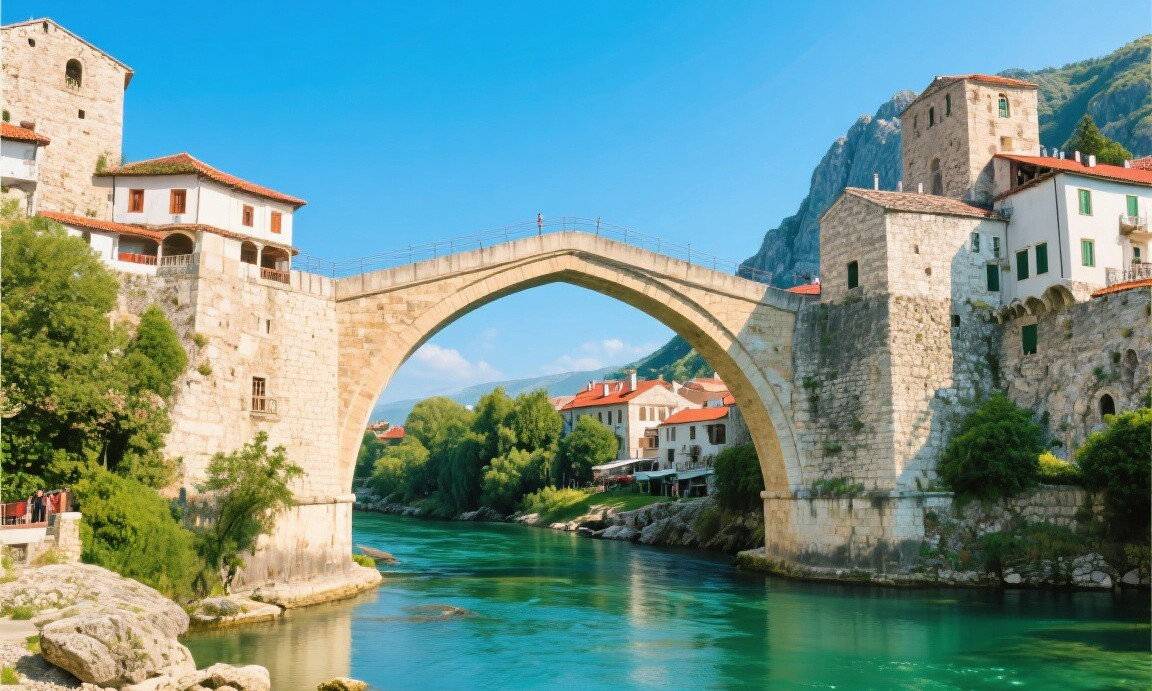
Mostar, Bosnia and Herzegovina, is famous for its Stari Most, the Ottoman-era bridge that spans the Neretva River. The original bridge, built in 1566, was destroyed during the Bosnian War in 1993 and rebuilt in 2004 using original techniques and materials. Watching divers leap from the bridge into the river 24 meters below is one of Europe's most dramatic sights. I stayed at the Hostel Majdas for 25 euros ($27) per night, a beautifully restored Ottoman house with a courtyard garden. A plate of cevapi, grilled minced meat sausages with flatbread and onions, at a restaurant called Tima-Irma cost 8 marks ($4.40). Bosnian coffee, served in a copper pot called a dzezva, cost 3 marks ($1.65) and came with a cube of sugar and a glass of water, following a ritual that dates back centuries.
These four cities, Plovdiv, Pecs, Brasov, and Mostar, offer history, culture, food, and architecture that rival anything in Western Europe at roughly half the price. A day in Plovdiv cost me $25. A day in Paris costs $80 to $100. The experiences are different, but the depth of history and the warmth of the people in these lesser-known cities create something that no amount of money can buy in the tourist capitals: authenticity. These cities have not been polished for visitors. They are living, working places where tourism is a part of life, not the entire economy. That authenticity is worth more than any famous landmark.
Budget travel expert who has visited 60+ countries on a shoestring budget. She shares practical tips to help anyone travel for less.
Related Reading
Explore more articles on this topic from our travel guides and tips.
-
1
Turkey on a Budget: Istanbul and Beyond for Less Destination Guides · May 12, 2026
-
2
Eating Well on the Road Without Blowing Your Budget Budget Travel · Apr 15, 2026
-
3
Why Hostels Are Better Than You Think in 2026 Budget Travel · Apr 25, 2026
-
4
The Best Time of Day and Week to Book Flights in 2026 Travel Hacks · May 5, 2026