The Best Budget Destinations for Digital Nomads in 2026
I opened my laptop at a cafe in Chiang Mai and ran a speed test. The download speed was 85 Mbps, the upload was 42 Mbps, and the ping was 12 ms. I was paying 60...

I opened my laptop at a cafe in Chiang Mai and ran a speed test. The download speed was 85 Mbps, the upload was 42 Mbps, and the ping was 12 ms. I was paying 60 baht ($1.70) for a coconut latte and had free WiFi that was faster than the internet at my apartment in San Francisco. My rent was $280 per month for a one-bedroom apartment with a balcony overlooking the mountains. My total monthly expenses, including rent, food, coworking, transport, and entertainment, were $850. In San Francisco, my rent alone was $2,400. I was living better for a third of the cost.
Being a digital nomad is not just about working from a beach with a cocktail. It is about finding cities where the cost of living is low, the internet is fast, the community is supportive, and the quality of life is high. I have worked remotely from 15 cities over the past three years, and these are the ones that deliver the best combination of affordability and livability for remote workers in 2026.
Chiang Mai, Thailand: The Undisputed Champion
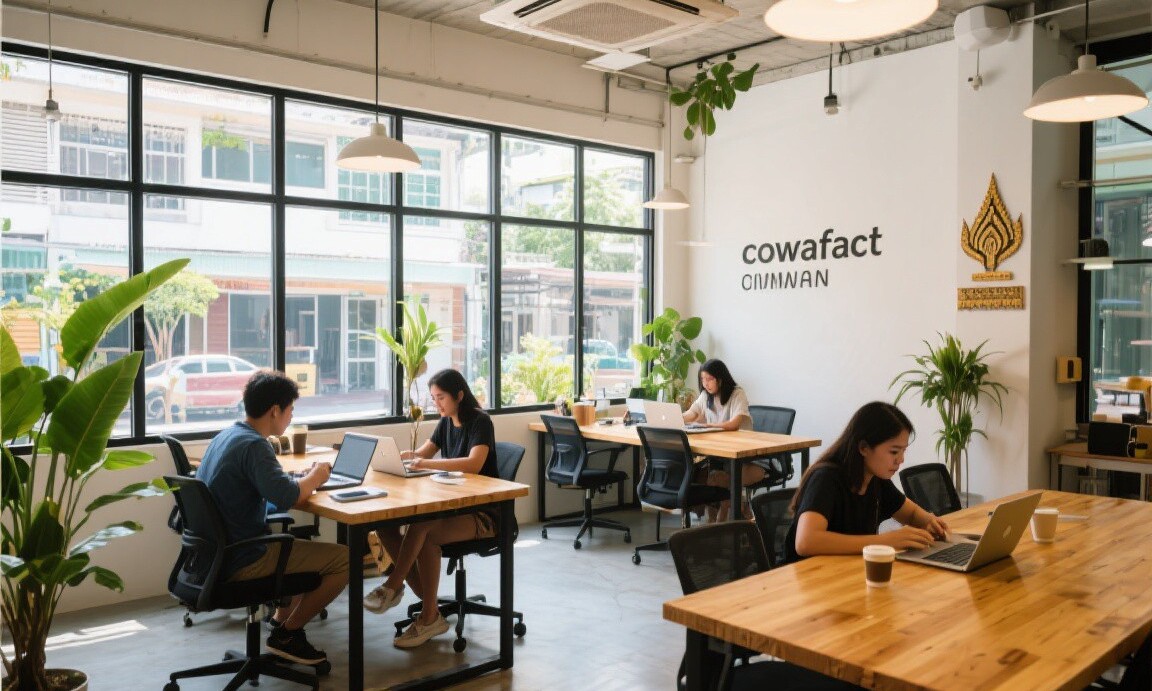
Chiang Mai has been the digital nomad capital of the world for a decade, and it still holds the title in 2026. The cost of living is the lowest of any city with reliable infrastructure. A one-bedroom apartment in the Nimman neighborhood, the main hub for remote workers, costs 8,000 to 15,000 baht ($230 to $430) per month. Coworking spaces like Punspace and CAMP charge 200 to 300 baht ($5.70 to $8.50) per day, with monthly memberships available for 3,000 to 5,000 baht ($85 to $142). The internet is consistently fast, with fiber optic connections available in most apartments and coworking spaces.
The community in Chiang Mai is what sets it apart. There are regular meetups, networking events, and social gatherings organized through Facebook groups like "Digital Nomads Chiang Mai" and "Chiang Mai Freelancers." I attended a weekly coworking meetup at the Yellow Coworking Space where 30 to 50 remote workers shared a long table, exchanged tips, and collaborated on projects. The social infrastructure is as important as the physical infrastructure when you are working remotely, and Chiang Mai has both in abundance.
Food is the biggest daily expense, and even that is cheap. A meal at a local restaurant costs 40 to 80 baht ($1.15 to $2.30). A bowl of khao soi, the northern Thai curry noodle soup, at Khao Soi Khun Yai costs 50 baht ($1.40) and is one of the best dishes I have ever eaten. Western food is more expensive but still reasonable, with a burger and craft beer at a place like The Good View costing 250 baht ($7.10).
Medellin, Lisbon, and Tbilisi
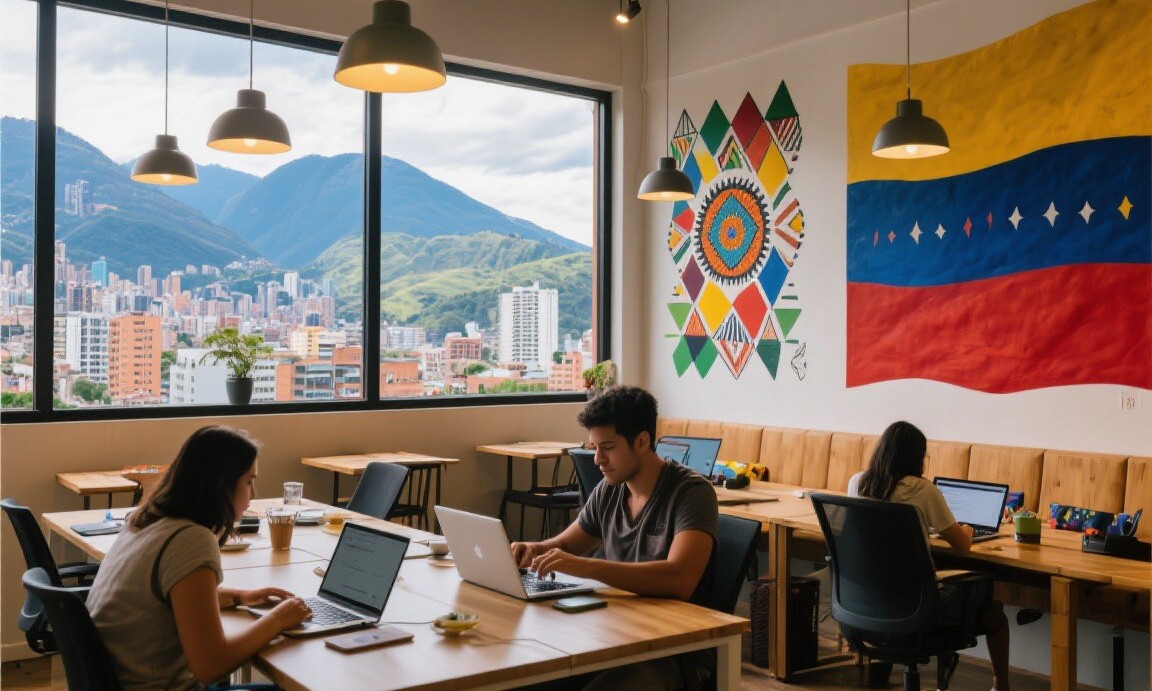
Medellin, Colombia, has emerged as the top digital nomad destination in Latin America. The city's "eternal spring" climate, with temperatures between 65 and 80 degrees year-round, is a major draw. A one-bedroom apartment in El Poblado or Laureles costs 1,500,000 to 2,500,000 Colombian pesos ($380 to $630) per month. Coworking spaces like Selina and Tinkko charge 50,000 to 80,000 pesos ($12.50 to $20) per day. The internet is fast and reliable, with fiber optic available in most modern buildings. The digital nomad community is large and active, with weekly events organized through the "Digital Nomads Medellin" Facebook group.
Lisbon, Portugal, is the best option for digital nomads who want to be in Europe. Portugal offers a digital nomad visa that allows remote workers to live in the country for up to one year, with the possibility of renewal. A one-bedroom apartment in the Alcântara or Marvila neighborhoods costs 800 to 1,200 euros ($865 to $1,295) per month. Coworking spaces like Second Home and Heden charge 200 to 300 euros ($215 to $325) per month. Lisbon's internet is excellent, the food is outstanding, and the city's location makes it easy to explore other European destinations on weekends.
Tbilisi, Georgia, is the surprise entry on this list. Georgia offers a "Remotely from Georgia" program that allows foreign nationals to stay in the country for up to one year without a visa. The cost of living is remarkably low, with a one-bedroom apartment in the Vera or Saburtalo neighborhoods costing 500 to 800 GEL ($190 to $300) per month. Coworking spaces like Impact Hub and Terminal charge 5 to 10 GEL ($1.90 to $3.80) per day. The internet is fast, the food is incredible and cheap, and the wine, Georgia produces some of the world's oldest and most unique wines, costs 15 to 30 GEL ($5.70 to $11.40) per bottle at restaurants. Tbilisi is the cheapest city on this list where I have never felt unsafe or inconvenienced by infrastructure.
The best digital nomad destination depends on your priorities. Chiang Mai is cheapest, Medellin has the best climate, Lisbon offers European access, and Tbilisi is the best value in Europe-adjacent location. All four cities have fast internet, affordable housing, active communities, and a cost of living that allows you to save money while living well. I have worked from all four, and I would return to any of them tomorrow.
Digital nomad and points & miles strategist. Sarah has flown business class for free more times than she can count.
Related Reading
Explore more articles on this topic from our travel guides and tips.
-
1
Traveling with Kids on a Budget: A Parent Survival Guide Budget Travel · Apr 29, 2026
-
2
Error Fares and Mistake Fares: How to Catch Them Before They Disappear Hotel & Flight Deals · May 3, 2026
-
3
How to Book Flights with Points and Miles: A Complete Beginner Guide Hotel & Flight Deals · Apr 18, 2026
-
4
Budget Guide to Argentina: Patagonia and Buenos Aires Destination Guides · Apr 12, 2026