The Cheapest Way to See the Galapagos Islands
The sea lion popped its head out of the water three feet from my kayak and stared at me with enormous dark eyes. It blew a spray of water from its nostrils, div...
The sea lion popped its head out of the water three feet from my kayak and stared at me with enormous dark eyes. It blew a spray of water from its nostrils, dived, and reappeared on the other side, close enough that I could see the individual whiskers on its muzzle. I was paddling through Academy Bay on Santa Cruz Island in the Galapagos, and a sea lion was playing with my kayak like a cat plays with a toy. The water was so clear I could see the volcanic rock on the bottom 15 feet below, covered in green algae and darting orange fish. I had been told the Galapagos was extraordinary, but nothing prepares you for the moment a wild animal decides you are interesting.
Everyone says the Galapagos is expensive, and they are not wrong. A typical cruise costs $3,000 to $7,000 per person for a week. But I visited the Galapagos for nine days on a total budget of $1,200, including flights from mainland Ecuador. It required planning, flexibility, and a willingness to skip the cruise, but it is absolutely possible. Here is exactly how I did it and what it cost.
Getting There and Where to Stay
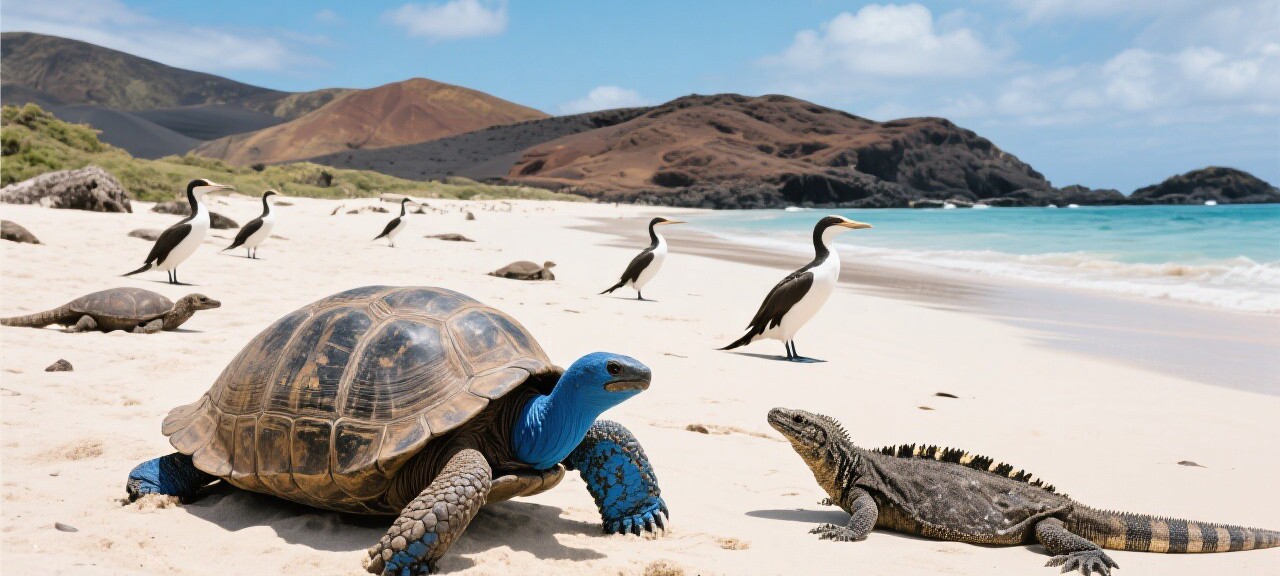
The cheapest way to reach the Galapagos is to fly from Guayaquil, Ecuador's largest city, rather than Quito. A round-trip flight from Guayaquil to Baltra Island on Avianca or LATAM costs between $350 and $450 if you book a month or more in advance. I booked through Skyscanner and paid $380 round-trip. The flight takes about two hours, and the view from the window as you approach the islands is stunning: brown volcanic islands rising from a turquoise sea, with white surf breaking along the coastlines.
I stayed on Santa Cruz Island, the most populated island in the Galapagos, at a guesthouse called Hostal La Casa de Marita in Puerto Ayora, the main town. A private room with a shared bathroom cost $25 per night. The room was simple, a bed, a fan, and a small window overlooking a garden with bougainvillea, but it was clean and the location was perfect, a five-minute walk from the waterfront and the main pier where day trips depart. Puerto Ayora is a small town of about 12,000 people, with seafood restaurants, souvenir shops, and a fishing pier where pelicans stand on the railing and watch the fishermen clean their catch with an intensity that suggests they are auditing the work.
Food in Puerto Ayora was more expensive than on mainland Ecuador but still manageable. A meal del dia, a set lunch of soup, rice, fish or chicken, and a juice, at a local restaurant cost $5 to $7. A whole fried fish, a corvina or a dorado, with rice and plantain, cost $8 at a restaurant called the Fish Market, where you point at the fish you want and they cook it on the spot. I ate at the Fish Market four times. The fish was so fresh it was practically still swimming when I ordered it, and the cook, a woman named Maria Elena, seasoned it with garlic, lime, and cumin and fried it to a crisp golden brown that made the skin crackle when I bit into it.
Day Trips and Last-Minute Boat Tours
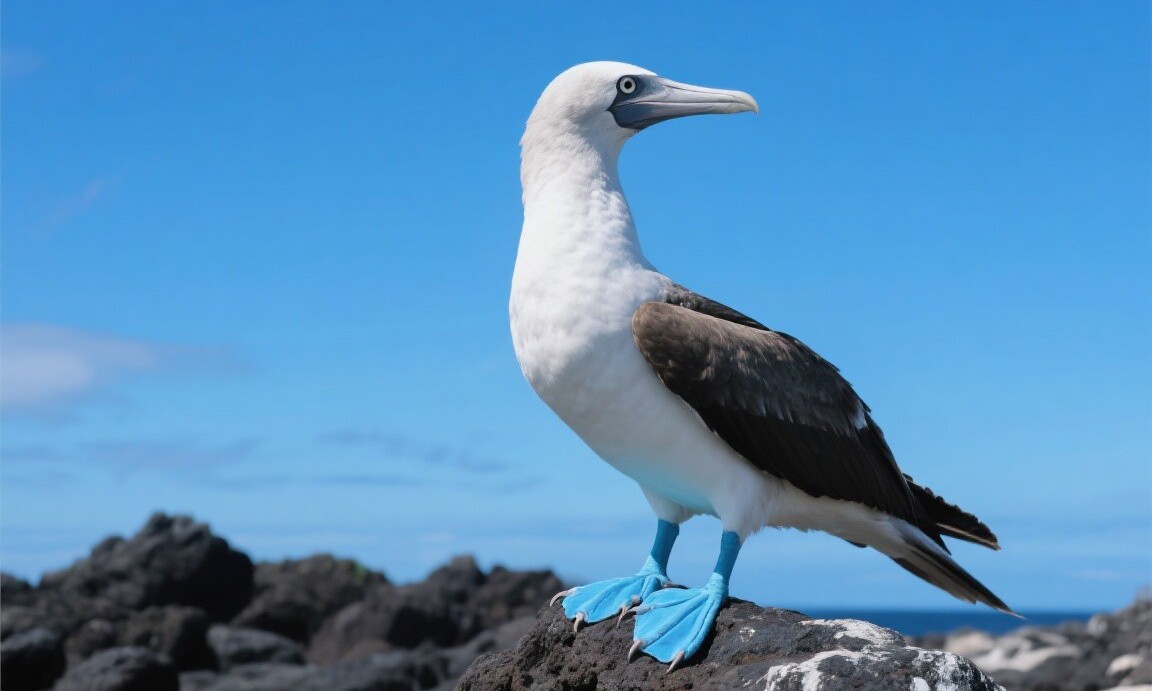
The biggest savings in the Galapagos comes from skipping the multi-day cruise and taking day trips instead. Day trips from Puerto Ayora visit the same islands and snorkeling sites that the cruises visit, but you sleep in a $25 guesthouse instead of a $300-per-night cabin. A day trip to North Seymour Island, where I saw blue-footed boobies performing their mating dance and frigate birds inflating their red throat pouches like balloons, cost $80 through a company called Galapagos Sub-Aqua. The trip included a guide, snorkeling equipment, lunch on the boat, and transportation. The boat was a small motor vessel that held 12 passengers, and the guide, a local man named Carlos, knew every bird, fish, and reptile by name and could describe their behavior in detail that made me feel like I was watching a nature documentary in real life.
A day trip to Bartolome Island, famous for its volcanic landscape and the view from the summit that appeared in the movie "Master and Commander," cost $100. The snorkeling at Bartolome was the best I have ever experienced. I swam alongside a Galapagos penguin, the only penguin species that lives north of the equator, and watched it dart through the water like a small torpedo. A white-tipped reef shark glided beneath me, maybe six feet long and completely uninterested in my presence. The water was cold, maybe 68 degrees, and I was glad I had rented a wetsuit for $5 from the tour operator.
For those who want a multi-day experience without the cruise price, last-minute boat deals are the answer. Several agencies in Puerto Ayora offer last-minute spots on departing cruises at discounts of 30 to 50 percent. I met a couple from Germany, Lukas and Sophie, who got a five-day cruise for $900 per person, down from the original price of $1,800, by walking into the Calipso agency two days before departure. The cruise visited Isabela, Fernandina, and Santiago islands, and they saw everything I saw on my day trips plus flightless cormorants and land iguanas. The catch is that you need to be in Puerto Ayora with flexible dates and be ready to depart within 48 hours.
Transportation between islands is also affordable. A speedboat from Santa Cruz to Isabela Island, the largest island in the archipelago, costs $30 each way and takes about two and a half hours. The ride was rough, the Pacific was choppy that day, and several passengers got sick, but arriving at Isabela was worth the discomfort. The island has a population of about 2,000 people, a long white sand beach, and a lagoon where flamingos stand in shallow water like pink statues. I rented a bicycle for $10 per day and rode to the Wall of Tears, a historic site where prisoners were forced to build a stone wall as punishment, and then spent the afternoon snorkeling in a cove where sea turtles grazed on seagrass a few feet below the surface.
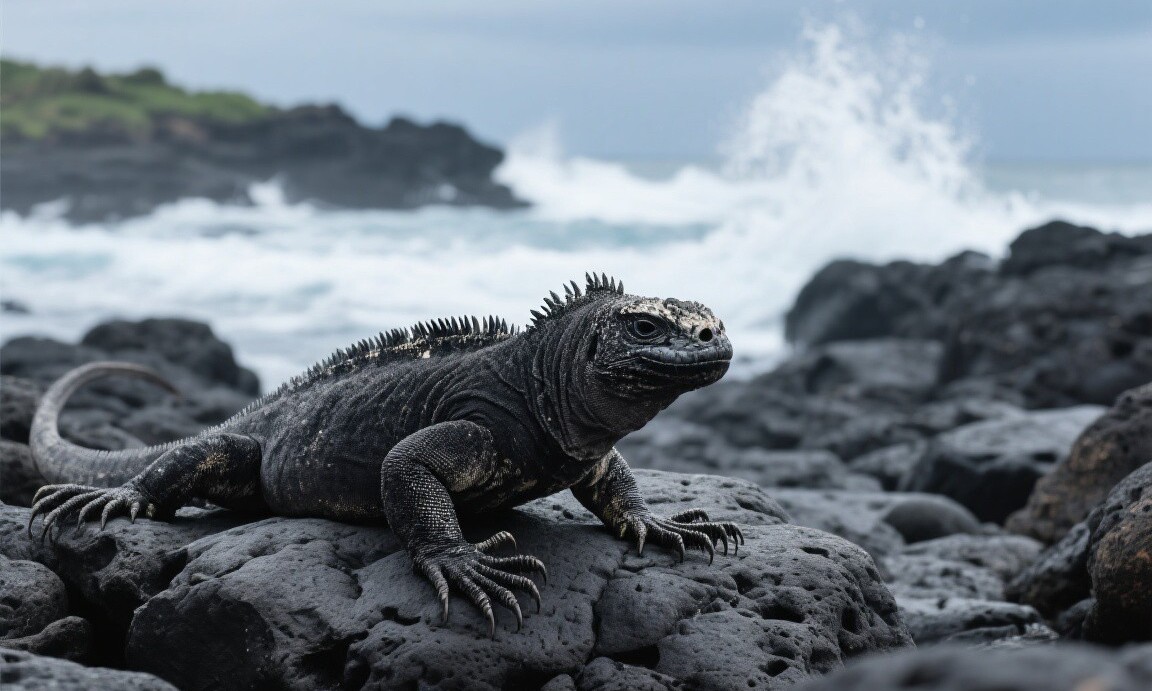
Nine days in the Galapagos cost me $1,200, broken down as follows: flights $380, accommodation $225 (nine nights at $25), food $210, day trips and activities $285, inter-island transport $60, and miscellaneous $40. That is $133 per day, which is not cheap by Southeast Asia standards but is a fraction of what most people pay. The Galapagos is one of the most unique places on earth, and the wildlife encounters I had there, sea lions, penguins, sharks, blue-footed boobies, giant tortoises, marine iguanas, are things I will remember for the rest of my life. You do not need to spend $5,000 to see them. You just need a backpack, a flexible schedule, and a willingness to do it yourself.
Former airline analyst turned travel deal hunter. Tom knows every trick to find the cheapest flights and hotels.
Related Reading
Explore more articles on this topic from our travel guides and tips.
-
1
The Best Hotel Loyalty Programs Ranked by Value in 2026 Hotel & Flight Deals · Apr 9, 2026
-
2
How to Travel During Peak Season Without Paying Peak Prices Budget Travel · Apr 16, 2026
-
3
The Only Travel Apps You Actually Need in 2026 Travel Hacks · Apr 17, 2026
-
4
Layover Hacks: Turning a Boring Wait Into a Free Mini Vacation Travel Hacks · Apr 3, 2026