How to Use Hotel Points Without Getting Ripped Off
I was so excited when I earned my first 25,000 Marriott Bonvoy points that I immediately redeemed them for a free night at a Courtyard by Marriott near the Los...
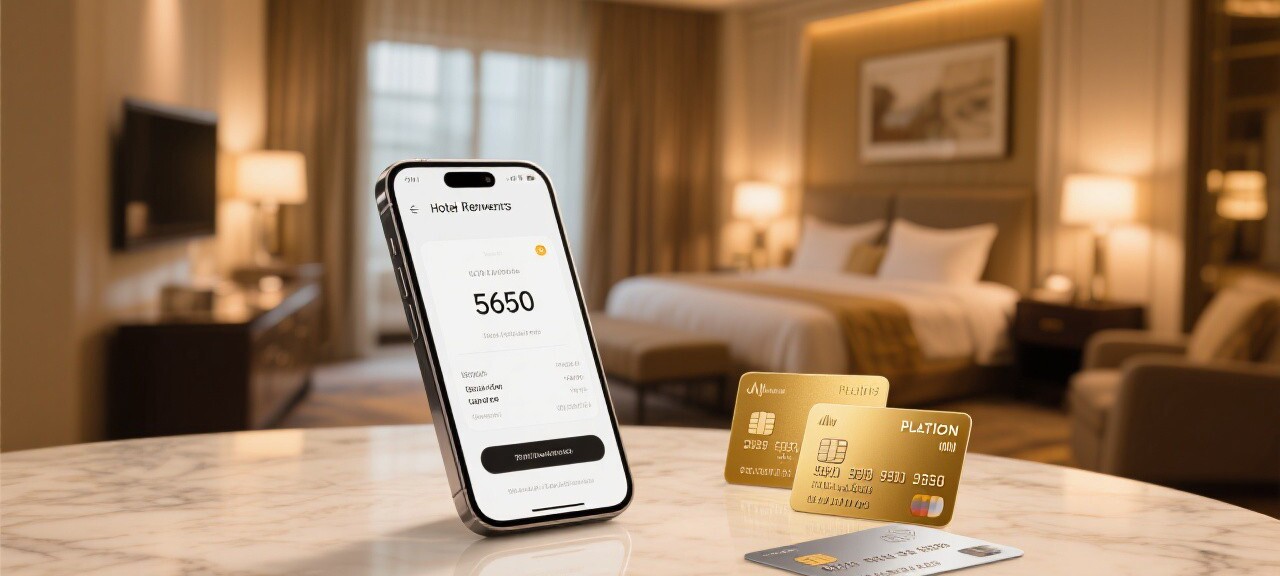
I was so excited when I earned my first 25,000 Marriott Bonvoy points that I immediately redeemed them for a free night at a Courtyard by Marriott near the Los Angeles airport. The room would have cost $119 if I had paid cash. I felt like a genius until a friend told me he had used the same number of points for a night at the St. Regis in Bali, a room that costs $450 per night. I had wasted 25,000 points on a $119 room when I could have gotten $450 worth of value from the same points. That was the day I learned that not all point redemptions are created equal.
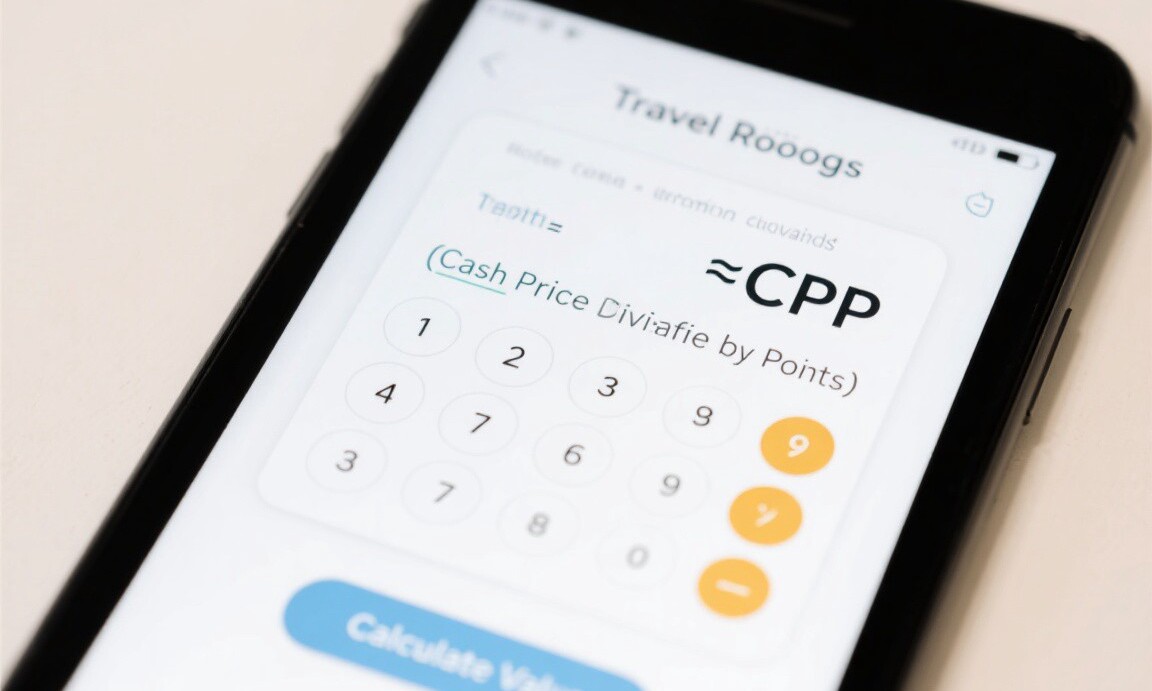
Hotel points are a currency, and like any currency, their value depends on how you spend them. The key metric is cents per point (CPP), which is calculated by dividing the cash price of the room by the number of points required. A $119 room for 25,000 points is 0.48 CPP. A $450 room for 25,000 points is 1.80 CPP. The higher the CPP, the better the value. My goal is to never redeem points below 0.8 CPP, and ideally above 1.0 CPP.
Understanding Point Valuations
Every hotel loyalty program has a different point structure, and understanding the nuances is essential to getting good value. Marriott Bonvoy, the largest program with over 8,000 properties, uses a category system where hotels are assigned to categories 1 through 8, with higher categories requiring more points. A category 1 hotel requires 5,000 points per night, while a category 8 hotel requires 85,000 points. The cash price of a category 8 hotel is typically $400 to $800 per night, which means the CPP is often above 1.0. A category 1 hotel might cost $50 to $80 per night, which means the CPP is around 1.0 as well. The sweet spot is usually in the middle categories, 4 to 6, where the cash prices are moderate but the point requirements are low enough to deliver strong CPP.
Hilton Honors uses a similar system with categories 1 through 10. The best value in the Hilton system is often found at properties in expensive cities where the cash price is high but the point requirement is moderate. A Hilton in central London might cost 250 pounds ($315) per night but only require 50,000 points, delivering a CPP of 0.63. That is below my threshold, but if the hotel is in a location where I would otherwise spend $315, the points are still saving me real money.
Hyatt has the simplest and most generous point system. A free night at a Category 1 Hyatt requires 5,000 points, while a Category 7 property requires 30,000 points. The cash prices for Category 7 properties are often $500 to $1,000 per night, which means the CPP can exceed 2.0. I used 30,000 Hyatt points for a night at the Park Hyatt Kyoto, a luxury ryokan-style hotel that costs $650 per night. That was a CPP of 2.17, one of the best redemptions I have ever made.
When to Use Points and When to Use Cash
The decision to use points or cash should be based on the CPP, not on whether you "feel like" using points. I maintain a simple rule: if the CPP is above 1.0, use points. If it is below 0.7, use cash. If it is between 0.7 and 1.0, consider factors like whether you are trying to conserve points for a future high-value redemption or whether the cash price is within your budget.
One common mistake is using points for cheap hotels. A hostel or budget hotel that costs $30 to $50 per night is almost never worth a point redemption, even if the point requirement is low. The opportunity cost of using points on a cheap hotel is that you will not have those points available for a high-value redemption later. I once used 15,000 Marriott points for a Fairfield Inn that cost $79. The CPP was 0.53, a terrible value. I should have paid cash and saved the points for a property where they would deliver 1.5 CPP or higher.
Another mistake is letting points expire. Most hotel programs have activity requirements to keep points alive. Marriott points expire after 24 months of inactivity. Hilton points never expire as long as you have activity once every 15 months. Hyatt points expire after 24 months of inactivity. I keep all my accounts active by making a small purchase through the hotel's shopping portal once a year, which counts as qualifying activity. It costs me nothing because I am buying things I would buy anyway, but it resets the expiration clock on all my points.

Hotel points are a powerful tool for reducing travel costs, but only if you use them strategically. The difference between a smart redemption and a wasteful one can be hundreds of dollars. Always calculate the CPP before redeeming, save your points for high-value properties, and never let them expire. Points are not a reward for loyalty. They are a currency, and you should spend them as carefully as you spend your dollars.
Digital nomad and points & miles strategist. Sarah has flown business class for free more times than she can count.
Related Reading
Explore more articles on this topic from our travel guides and tips.
-
1
Eating Well on the Road Without Blowing Your Budget Budget Travel · Apr 15, 2026
-
2
How to Travel Africa on a Backpacker Budget Budget Travel · May 8, 2026
-
3
Long-Term Stay Deals: How to Get Monthly Hotel Rates Hotel & Flight Deals · Apr 29, 2026
-
4
Budget Travel in Indonesia Beyond Bali Destination Guides · Apr 28, 2026