Resort Fees Are Out of Control: How to Avoid Them
The hotel in Las Vegas quoted me $69 per night on Booking.com. When I checked out, the bill was $94 per night. The difference was a $25 "resort fee" that covere...

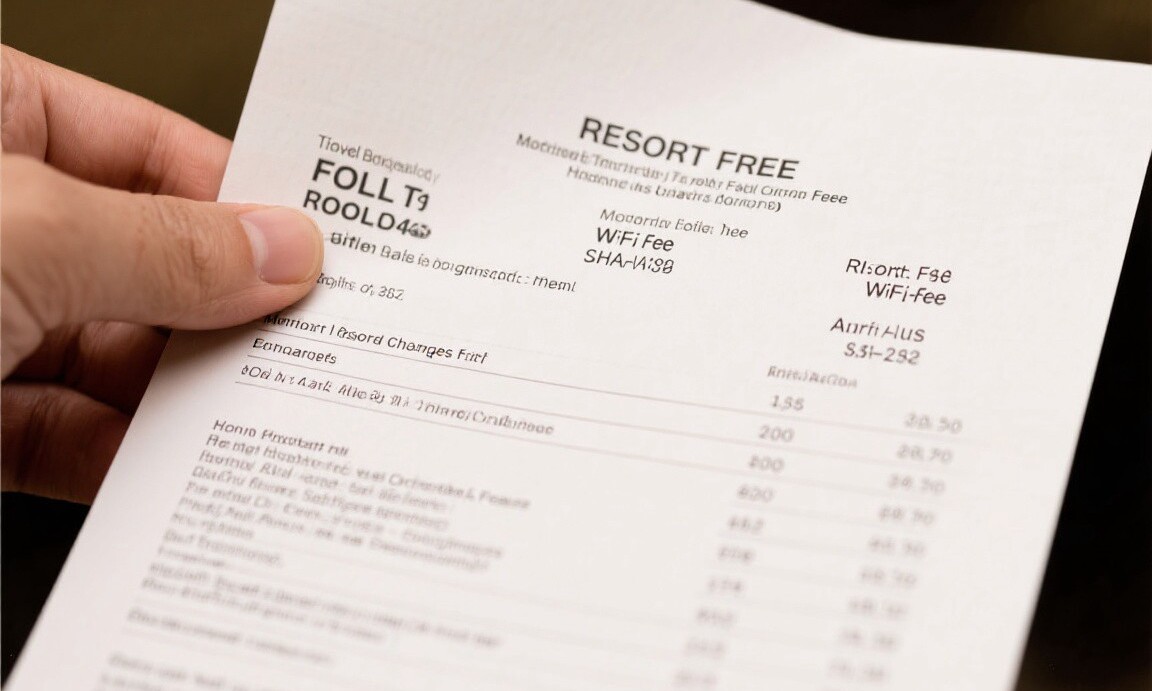
The hotel in Las Vegas quoted me $69 per night on Booking.com. When I checked out, the bill was $94 per night. The difference was a $25 "resort fee" that covered WiFi, pool access, and a fitness center, none of which I used because I was in Las Vegas for a conference and spent all day at the convention center. The resort fee was mandatory, disclosed in fine print at the bottom of the booking page, and non-negotiable. I paid $75 in resort fees over three nights for amenities I never touched.
Resort fees, also called destination fees, facility fees, or amenity fees, are one of the most deceptive practices in the hotel industry. They are not included in the advertised room rate, which means the price you see when searching is not the price you pay. In the United States, resort fees affect an estimated 10 percent of all hotel bookings and add an average of $35 per night to the final bill. Here is how they work and how to avoid them.
Understanding Resort Fees
Resort fees are mandatory charges that hotels add to the room rate at checkout. They typically range from $15 to $65 per night and supposedly cover amenities like WiFi, pool access, fitness center use, newspaper delivery, and sometimes bottled water or coffee. The problem is that most of these amenities are standard at hotels that do not charge resort fees. WiFi, for example, is free at the majority of hotels worldwide. Charging a separate fee for it is a way for hotels to advertise a lower room rate while collecting more revenue.
The practice is most common in the United States, particularly in Las Vegas, Orlando, Hawaii, and major beach destinations. In Las Vegas, virtually every hotel on the Strip charges a resort fee, ranging from $35 to $52 per night. In Orlando, near Disney World, resort fees of $25 to $40 per night are standard. In Hawaii, resort fees can reach $65 per night at luxury properties. The total resort fee revenue in the US is estimated at over $3 billion per year, which explains why hotels are so reluctant to give it up.
I tracked resort fees on every hotel booking I made over a six-month period. Of 22 bookings, 8 included resort fees. The average fee was $32 per night, and the total I paid in resort fees over six months was $416. That is enough for two nights at a decent hotel. The most egregious was a $52 per night resort fee at a hotel in Waikiki that included "complimentary" ukulele lessons and a "cultural activity" that turned out to be a 30-minute hula demonstration in the lobby.
How to Avoid or Minimize Resort Fees
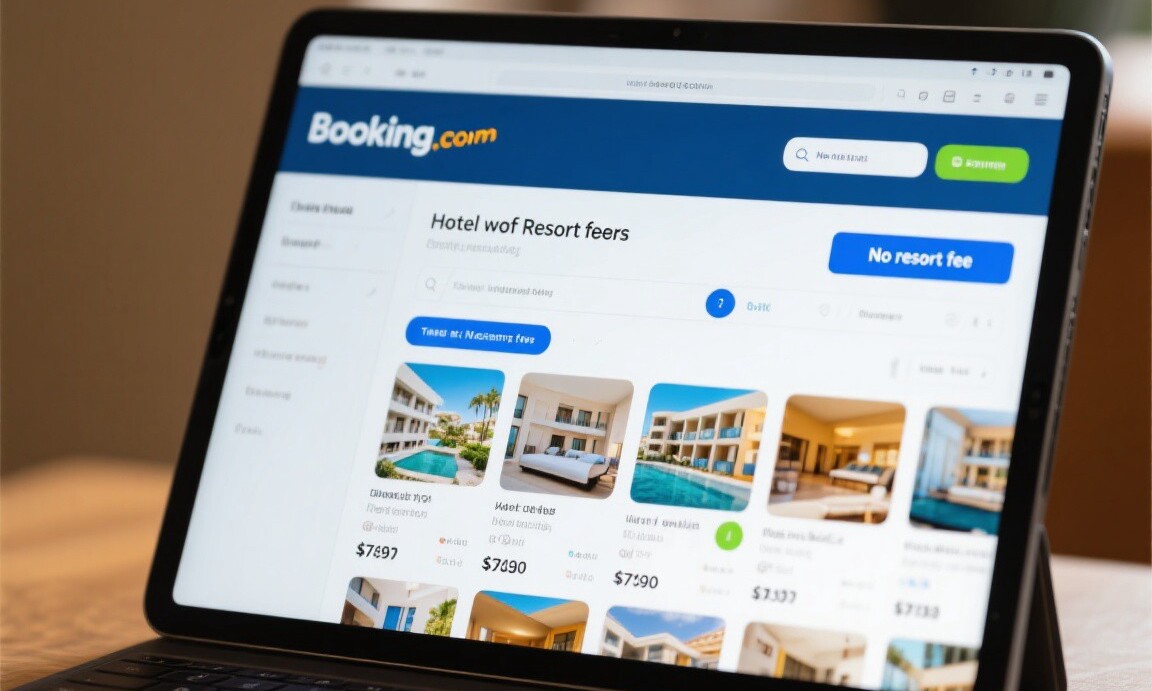
The most effective way to avoid resort fees is to filter them out during your search. Booking.com has a filter called "No resort fee" that eliminates properties charging these fees. Skyscanner and Kayak do not have this filter, but you can manually check the fine print before booking. I always scroll to the bottom of the booking page and look for the words "resort fee," "destination fee," or "mandatory charge." If I see them, I move on to the next property.
Some hotel chains have pledged to eliminate resort fees. Hyatt, for example, does not charge resort fees at any of its properties. Marriott has reduced resort fees at some properties but still charges them at many resorts. Hilton charges resort fees at selected properties but discloses them more transparently than most chains. When I have a choice between a hotel with a resort fee and one without, I always choose the one without, even if the base rate is slightly higher. A $90 room with no resort fee is cheaper than an $85 room with a $35 resort fee, but the search results often show the $85 room first because the displayed price does not include the fee.
In some jurisdictions, resort fees have been challenged legally. The state of California requires hotels to include all mandatory fees in the advertised price. The Attorney General of the District of Columbia sued several hotel chains over deceptive resort fee pricing. The European Union prohibits undisclosed mandatory fees under consumer protection laws. If you are booking a hotel in a jurisdiction with strong consumer protection laws, resort fees are less likely to be a problem.
When you cannot avoid resort fees, you can sometimes negotiate them. I have successfully had resort fees waived at three hotels by calling the front desk before my stay, explaining that I would not be using the amenities covered by the fee, and asking if they could remove it. This works about 20 percent of the time, and it never hurts to ask. The worst they can say is no, and you have not lost anything by trying.
Resort fees are a predatory practice that relies on travelers not reading the fine print. The solution is simple: always check the total price before booking, use filters that exclude resort fees, and support hotel chains that have eliminated them. The hotel industry will only stop charging resort fees when travelers stop paying them. Be the traveler who checks the fine print and walks away when the price is not what it seemed.
Digital nomad and points & miles strategist. Sarah has flown business class for free more times than she can count.
Related Reading
Explore more articles on this topic from our travel guides and tips.
-
1
How to Book Flights with Points and Miles: A Complete Beginner Guide Hotel & Flight Deals · Apr 18, 2026
-
2
How to Travel Africa on a Backpacker Budget Budget Travel · May 8, 2026
-
3
How I Traveled Japan for 21 Days on $1200 Budget Travel · May 10, 2026
-
4
The Best Time of Day and Week to Book Flights in 2026 Travel Hacks · May 5, 2026