Credit Card Points: The Smart Way to Book Free Hotels
I have booked over 200 free hotel nights using credit card points. That is not a typo. Two hundred nights in hotels, hostels, and resorts around the world, paid...
I have booked over 200 free hotel nights using credit card points. That is not a typo. Two hundred nights in hotels, hostels, and resorts around the world, paid for entirely with points earned from credit card spending. The total value of these free nights, based on the cash rate I would have paid, exceeds $40,000. I have not gone into debt to earn these points, and I have not changed my spending habits in any significant way. I simply put every purchase on the right credit card and redeem the points strategically. Here is the system I use, explained in detail.
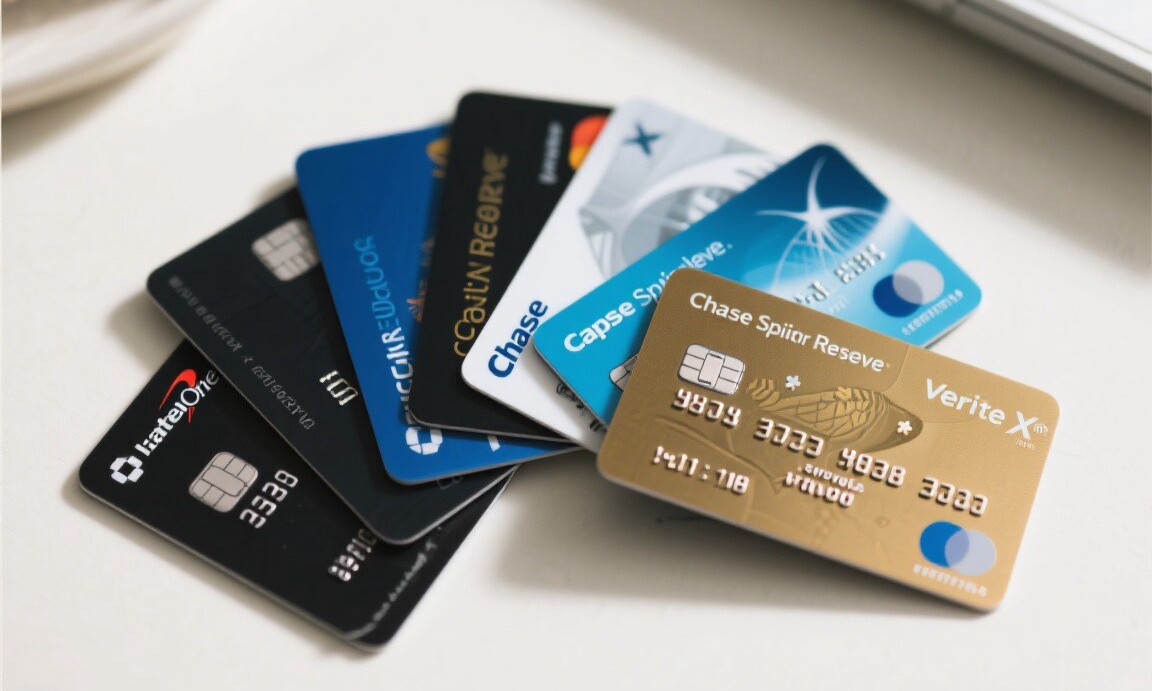
The Card Portfolio
I hold four travel credit cards, each serving a specific purpose. The Chase Sapphire Reserve is my primary card for travel and dining spending. It earns 3x points on travel and dining, 1x on everything else, and comes with a $300 annual travel credit, Priority Pass lounge access, and a $100 Global Entry/TSA PreCheck credit. The effective annual fee is $250 after the credits. I use this card for every travel purchase, every restaurant meal, and every Uber or Lyft ride.
The Capital One Venture X is my backup card for international spending. It earns 2x miles on every purchase, has no foreign transaction fees, and comes with a $300 annual travel credit and Priority Pass lounge access. The effective annual fee is $95. I use this card when the Chase Sapphire Reserve's 3x bonus does not apply, and when I want to accumulate Capital One miles, which transfer to 15 airline partners.
The Marriott Bonvoy Brilliant American Express is my hotel-specific card. It earns 6x points at Marriott properties, automatic Gold elite status, and a free night award worth up to 50,000 points each year. The annual fee is $650, but the $300 annual travel credit and the free night award reduce the effective cost to about $250. I use this card for every Marriott stay to maximize point earnings.
The Hilton Honors American Express has no annual fee and earns 7x points at Hilton properties. I use this card for Hilton stays to accumulate Hilton points, which I redeem for free nights at Hilton properties worldwide. The card also gives automatic Silver status, which includes late checkout and free bottled water.
Earning Strategy
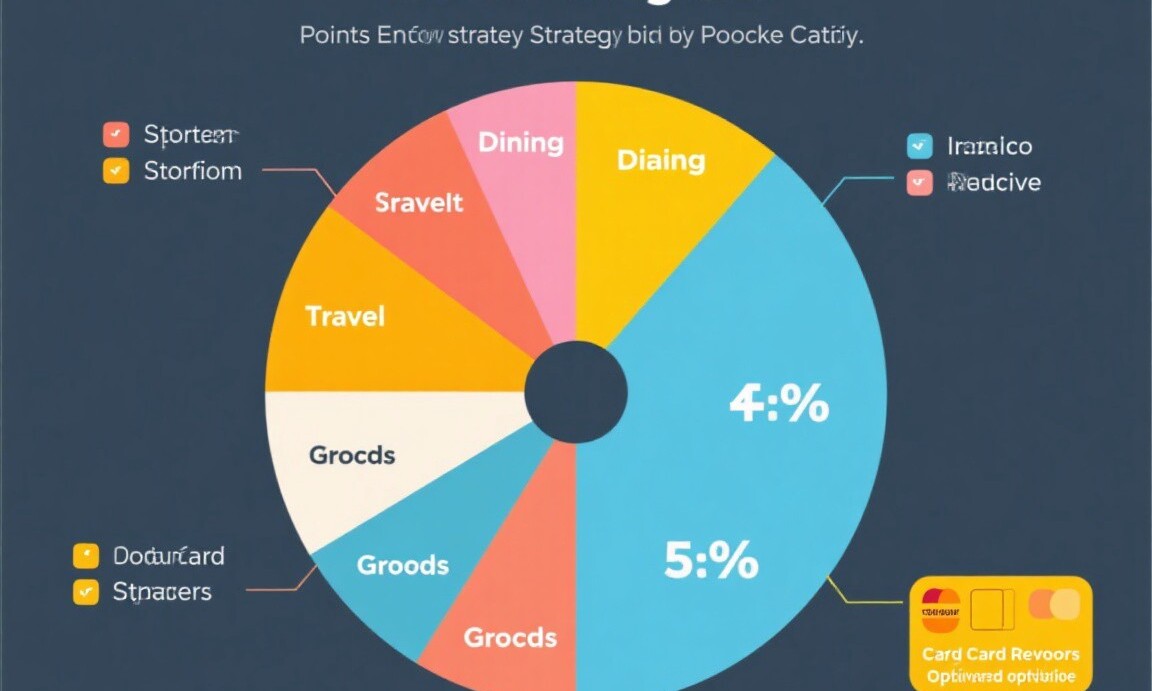
The key to earning points efficiently is to match the right card to the right purchase. I put every travel and dining charge on the Chase Sapphire Reserve for 3x points. I put every Marriott stay on the Bonvoy Brilliant for 6x points. I put every Hilton stay on the Hilton Amex for 7x points. Everything else, groceries, gas, utilities, goes on the Capital One Venture X for 2x miles. This "card matching" strategy maximizes my earning rate on every dollar I spend.
I put all possible expenses on my travel cards, including recurring charges like Netflix, Spotify, and phone bills. These charges add up: I spend about $40,000 per year on credit cards, which earns me 80,000 to 120,000 points or miles per year. I never carry a balance, paying every card in full each month to avoid interest charges. The interest rate on travel credit cards is typically 20 to 25 percent, which would wipe out any points value if I carried a balance.
Sign-up bonuses are the fastest way to accumulate a large number of points. The Chase Sapphire Reserve currently offers 60,000 bonus points after spending $4,000 in the first three months. The Capital One Venture X offers 75,000 bonus miles after spending $4,000 in the first three months. The Marriott Bonvoy Brilliant offers 30,000 bonus points after spending $5,000 in the first three months, plus a free night award. I time my card applications to coincide with planned large purchases, so I can meet the spending requirements without buying things I do not need.
Redemption Strategy
I never redeem points for cash back or gift cards, because the per-point value is always lower than when redeeming for travel. The best redemptions are for hotel nights and flights, where the per-point value ranges from 1.5 to 3.0 cents. I use Marriott points for free nights at properties where the cash rate is high relative to the point cost. A Category 5 Marriott property that costs 30,000 points per night and has a cash rate of $200 delivers a CPP of 0.67, which is below my threshold. A Category 7 property that costs 60,000 points and has a cash rate of $400 delivers a CPP of 0.67, also below threshold. But a Category 4 property that costs 25,000 points and has a cash rate of $300 delivers a CPP of 1.2, which is excellent.
For flights, I transfer Chase Ultimate Rewards points to airline partners. United MileagePlus, British Airways Executive Club, and Singapore KrisFlyer are my preferred partners because they offer the best redemption values. I have booked business class flights to Asia using Singapore KrisFlyer miles and business class flights to Europe using British Airways Avios, both at CPP values above 2.0 cents. These redemptions are the most valuable use of points, but they require flexibility and advance planning.
Credit card points are not free money. They require discipline, organization, and a good credit score. But for travelers who pay their balances in full every month and spend strategically, points are a powerful tool for reducing or eliminating travel costs. My 200+ free hotel nights and dozens of free flights are proof that the system works. The key is to earn points efficiently, redeem them strategically, and never pay interest.
Hotel reviewer and luxury travel on a budget specialist. Jake proves you don't need to spend a fortune for a great trip.
Related Reading
Explore more articles on this topic from our travel guides and tips.
-
1
Travel Photography Tips That Do Not Require Expensive Gear Travel Hacks · Apr 30, 2026
-
2
The Best Times to Book Hotels for Maximum Savings Hotel & Flight Deals · Apr 26, 2026
-
3
The Best Budget Beach Destinations in the World Right Now Destination Guides · May 2, 2026
-
4
Budget Travel in South Korea: Seoul and Beyond Destination Guides · Apr 17, 2026