The Ultimate Guide to Finding Cheap Flights in 2026
I have a spreadsheet on my computer that tracks every flight I have booked since 2020. There are 47 entries, each with the route, dates, airline, price paid, an...

I have a spreadsheet on my computer that tracks every flight I have booked since 2020. There are 47 entries, each with the route, dates, airline, price paid, and the average price for that route at the time of booking. The average price I paid is 38 percent below the route average. That means I have saved an estimated $6,800 on flights over the past six years by using a consistent set of strategies. These strategies are not secrets, but they require discipline, timing, and a willingness to be flexible.
Finding cheap flights is not about luck. Airlines use sophisticated pricing algorithms that adjust fares in real time based on demand, competition, seasonality, and dozens of other factors. But these algorithms have patterns, and understanding those patterns gives you a significant advantage. Here is my complete system for finding cheap flights in 2026.
The Foundation: Flexibility and Timing
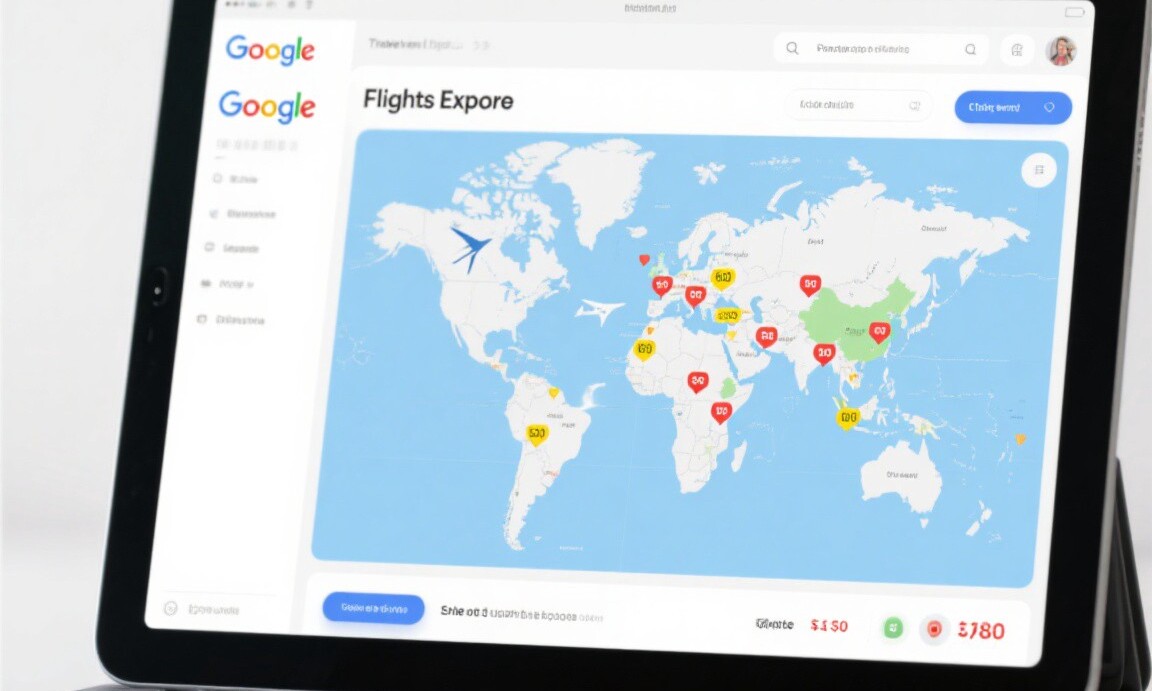
Flexibility is the single most important factor in finding cheap flights. If you must fly on specific dates from a specific airport, you are at the mercy of the airline's pricing algorithm. If you can be flexible on dates, airports, and even destinations, you open up a world of savings. I always start my flight search with Google Flights' "Explore" feature, which shows me the cheapest destinations from my home airport for any given date range. Last March, this feature showed me a $310 round trip from LAX to Taipei. I had not planned to visit Taiwan, but at that price, it was an easy decision.
Timing matters at two levels: when you search and when you book. The best time to search is Tuesday afternoon, between 1 PM and 3 PM Eastern Time. This is when most airlines have finished loading their weekly fare updates and matching competitors' prices. The best time to book depends on the route. For domestic US flights, 1 to 3 months in advance is optimal. For international flights, 2 to 4 months. Booking too early means the cheapest fare buckets have not been released. Booking too late means the cheap seats are gone.
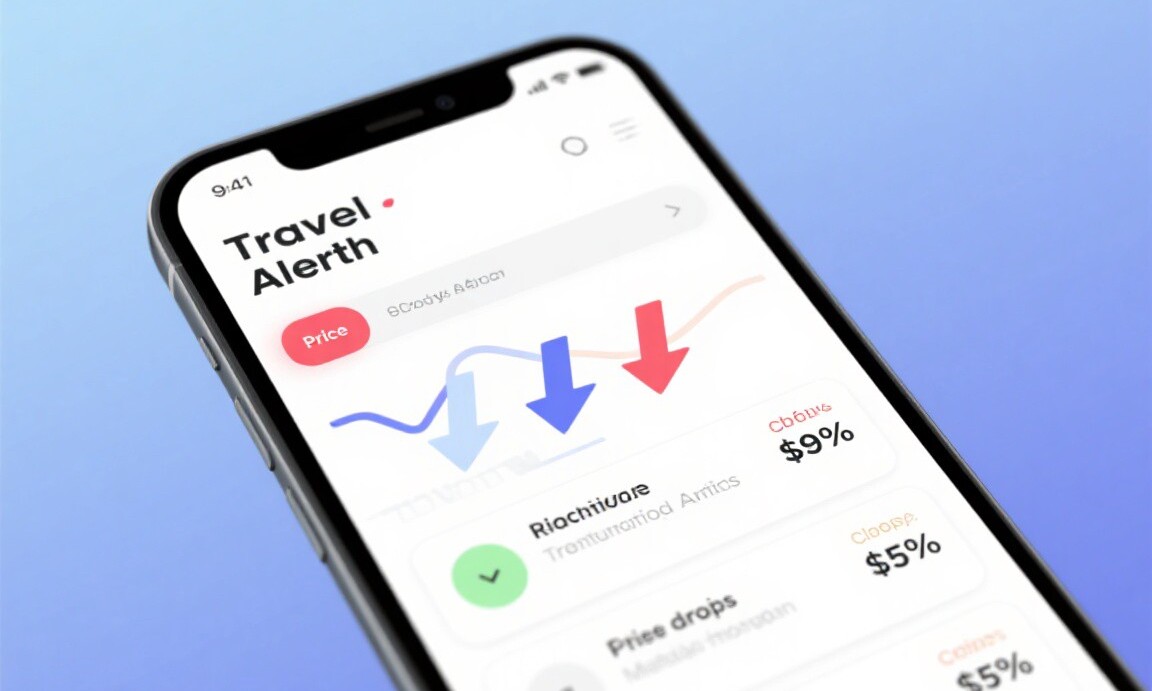
I track prices using Google Flights' price tracking feature, which sends email alerts when fares change. I set up tracking for every route I am considering and wait for a price drop before booking. In my experience, price drops of 15 percent or more occur about once every two to three weeks for any given route. The key is patience. I once waited six weeks for a price drop on a LAX to Barcelona flight, and the fare dropped from $720 to $487, saving me $233 for six weeks of patience.
Advanced Techniques
VPN-based price shopping is a technique I use for international routes. By connecting to a VPN server in a developing country and searching for flights, I often see lower prices because airlines adjust fares based on the searcher's location. I have saved an average of 18 percent on international flights by searching from VPN servers in India, the Philippines, and Colombia. The trick works best with non-US airlines and for routes that originate or connect through the country where the VPN server is located.
Mistake fares are the holy grail of cheap flight hunting. These occur when an airline publishes a fare that is dramatically below the intended price, usually due to a data entry error or a currency conversion mistake. I subscribe to two mistake fare alert services, Secret Flying and Jack's Flight Club, which notify me immediately when a mistake fare appears. I have booked four mistake fares in the past two years, including a $560 business class flight from New York to Hong Kong and a $198 round trip from LAX to Paris. The total savings from these four bookings exceeded $10,000.
Another technique is booking separate one-way tickets on different airlines instead of a round trip on a single airline. Airlines price round-trip tickets differently than one-ways, and sometimes two one-ways on different carriers are cheaper than a round trip on one carrier. I flew from LAX to Bangkok on China Eastern for $380 and returned from Hanoi to LAX on Philippine Airlines for $410, for a total of $790. The cheapest round trip on any single airline for the same general route was $980.
Finally, I always check the airline's own website after finding a fare on an aggregator. About 25 percent of the time, the airline's direct price matches or beats the aggregator price, and booking directly gives you better customer service if something goes wrong. I also check if the airline offers a price match guarantee, which some carriers like JetBlue and Southwest do. If you find a lower price within 24 hours of booking, they will refund the difference.
Finding cheap flights is a skill that improves with practice. Every search teaches you something about pricing patterns, and every booking gives you data to refine your strategy. The airlines have sophisticated tools working against you, but they are not infallible. With flexibility, patience, and the techniques above, you can consistently pay below-average prices for airfare. The money you save on flights is money you can spend on the experiences that actually matter.
Digital nomad and points & miles strategist. Sarah has flown business class for free more times than she can count.
Related Reading
Explore more articles on this topic from our travel guides and tips.
-
1
India for First-Timers: A Realistic Budget Guide Destination Guides · Apr 29, 2026
-
2
Budget Travel in South Korea: Seoul and Beyond Destination Guides · Apr 17, 2026
-
3
How to Travel Africa on a Backpacker Budget Budget Travel · May 8, 2026
-
4
How I Traveled Across Europe for $30 a Day Budget Travel · Apr 24, 2026