How to Travel Africa on a Backpacker Budget
The matatu from Nairobi to Arusha was supposed to take six hours. It took eleven. The driver stopped twice to fix a flat tire, once to deliver a package to a ro...
The matatu from Nairobi to Arusha was supposed to take six hours. It took eleven. The driver stopped twice to fix a flat tire, once to deliver a package to a roadside shop, and once to pick up his cousin, who sat on a sack of maize in the aisle for the remaining four hours. I paid 2,500 Kenyan shillings ($19) for this journey, and when I finally arrived in Arusha, Tanzania, covered in red dust and vibrating from the diesel fumes, I understood that Africa on a budget means accepting that nothing runs on schedule and everything becomes part of the story.
I spent two months traveling through Kenya, Tanzania, Zambia, and South Africa on a budget of $38 per day. That included accommodation, food, transport, activities, and visas. It was the most challenging and rewarding budget travel I have ever done, and it taught me more about patience, adaptability, and human connection than any other trip.
Kenya: Nairobi and the Coast
Nairobi is not a city that welcomes budget travelers with open arms. The infrastructure is strained, traffic is legendary, and the gap between tourist prices and local prices is enormous. I stayed at the Kenya Comfort Hotel on Moi Avenue, a backpacker institution that charges 1,800 shillings ($14) for a dorm bed. The hotel has a rooftop bar where overland truck groups gather before heading out on safari, and the conversations there were worth the price of admission alone.
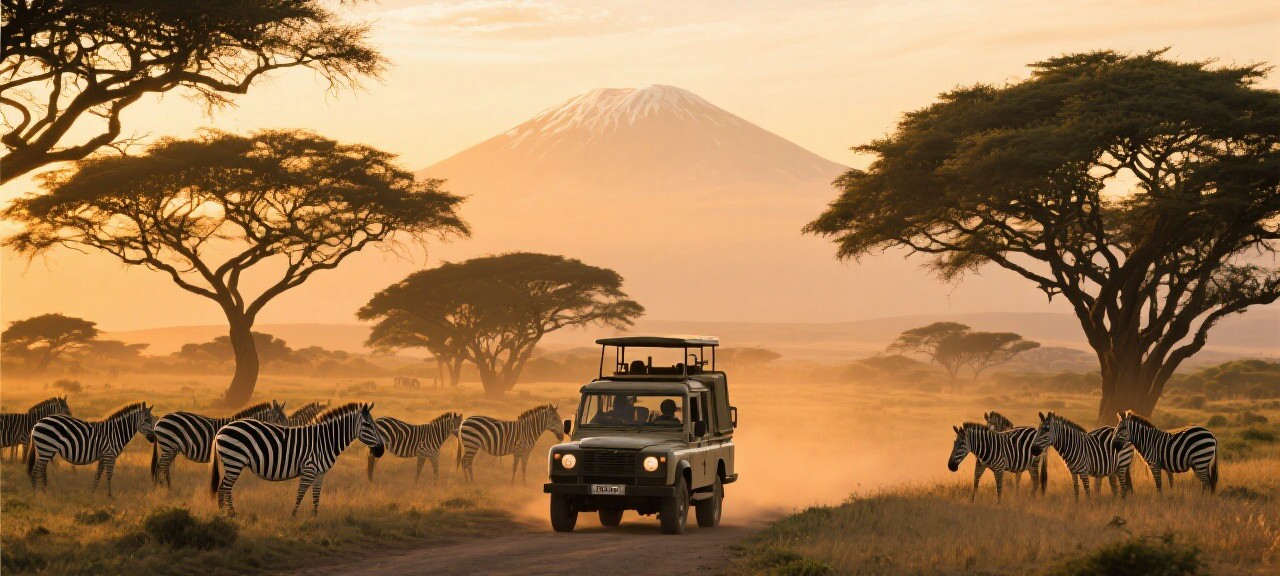
Safari is the reason most people come to Kenya, and it is also the biggest budget challenge. A private safari in the Masai Mara can cost $300 to $500 per day. I found a budget alternative through a company called Beacon Bike Tours that organized group camping safaris for $85 per day, including park fees, a cook, tent accommodation, and game drives. Over three days, I saw lions, elephants, giraffes, zebras, and a leopard that was so close to our Land Cruiser I could see the spots on its nose. The campsite inside the park cost nothing extra, and falling asleep to the sound of hyenas whooping in the distance was worth any amount of money.
From Nairobi, I took a bus to Mombasa on the coast. The Modern Coast bus charged 2,200 shillings ($17) for the eight-hour journey. In Mombasa, I stayed at a guesthouse in Old Town called the Alawi House for 1,500 shillings ($11) per night. The owner, a Swahili man named Hassan, cooked breakfast every morning: mandazi (fried dough), chai masala, and fresh mango when it was in season. He refused to let me pay for the mangoes. "You are my guest in my country," he said.

Tanzania, Zambia, and South Africa
In Tanzania, I arranged a Kilimanjaro trek through a local operator called Zara Tours. The five-day Marangu Route cost $1,050, which included park fees ($710), guide and porter fees, food, and tent rental. This was my biggest single expense of the trip, but summiting at 5,895 meters as the sun rose over the clouds was the single most powerful experience of my traveling life. I vomited twice near the summit from altitude sickness, cried once from exhaustion, and would do it again tomorrow.
Zambia was the surprise of the trip. Livingstone, the town near Victoria Falls, is backpacker-friendly and cheap. I stayed at Jollyboys Backpackers for $8 per night in a dorm. Entrance to Victoria Falls on the Zambian side cost $50, which sounds steep but is half the price of the Zimbabwean side. I visited during low water season in November, and while the falls were not at full thunder, I could walk across the top of the falls on the Devil's Pool, a natural rock pool at the edge of the 108-meter drop. The adrenaline rush was free.
South Africa was the most developed and the most expensive of the four countries. Cape Town hostel beds cost 200 to 300 rand ($11 to $16), and a decent meal cost 80 to 120 rand ($4.40 to $6.60). I took the Baz Bus, a hop-on hop-off backpacker bus that connects hostels along the Garden Route, for 4,500 rand ($248). It was more expensive than public buses but eliminated the hassle of navigating unfamiliar transport systems and guaranteed a bed at the next hostel.

Two months in Africa cost me $2,280, or $38 per day. That included a safari, a Kilimanjaro trek, Victoria Falls, and travel through four countries. Africa demands more from a budget traveler than Southeast Asia or Eastern Europe. The transport is harder, the infrastructure is thinner, and the gap between what locals pay and what tourists pay is wider. But the rewards, the landscapes, the wildlife, and above all the people, make every challenge worth it. I have never felt more alive than I did bouncing along a red dirt road in a matatu, watching the African sunset through a window that would not close.
Former airline analyst turned travel deal hunter. Tom knows every trick to find the cheapest flights and hotels.
Related Reading
Explore more articles on this topic from our travel guides and tips.
-
1
Hotel Booking Mistakes That Are Costing You Money Hotel & Flight Deals · Apr 2, 2026
-
2
Travel Photography Tips That Do Not Require Expensive Gear Travel Hacks · Apr 30, 2026
-
3
Turkey on a Budget: Istanbul and Beyond for Less Destination Guides · May 12, 2026
-
4
A Complete Budget Guide to Nepal Trekking and Beyond Destination Guides · May 12, 2026