How to Use Public Transportation Like a Local Anywhere in the World
I boarded the wrong bus in Istanbul. I knew this because the bus was heading east across the Bosphorus Bridge into Asia, and my hostel was in Sultanahmet, on th...

I boarded the wrong bus in Istanbul. I knew this because the bus was heading east across the Bosphorus Bridge into Asia, and my hostel was in Sultanahmet, on the European side. I had no idea which bus to take back, my phone had no data connection, and the driver spoke no English. I stayed on the bus until it reached the last stop, a terminal in Kadiköy, where I found a map, figured out the return route, and took a different bus back. The entire detour cost me 15 lira ($0.45) and 90 minutes. A taxi from the same terminal to my hostel would have cost 120 lira ($3.60). The wrong bus was still cheaper.
Using public transportation in foreign cities is one of the biggest money-savers in travel. A taxi from the airport to the city center typically costs $20 to $50, while public transit costs $1 to $5. Over a two-week trip, the savings from using public transit instead of taxis can exceed $200. But public transit in foreign countries can be intimidating, confusing, and occasionally terrifying. Here is how I navigate transit systems in any country, even when I do not speak the language.
Before You Arrive
The first thing I do before arriving in any city is research the transit system. I use three resources: the city's official transit website, Google Maps transit directions, and the Rome2Rio app. The official transit website tells me what types of transit exist (metro, bus, tram, ferry), how much they cost, and whether they use a card or ticket system. Google Maps shows me the transit routes and schedules, which is essential for planning my first day. Rome2Rio shows me how to get from the airport to my accommodation using public transit, which is usually the first transit challenge I face.
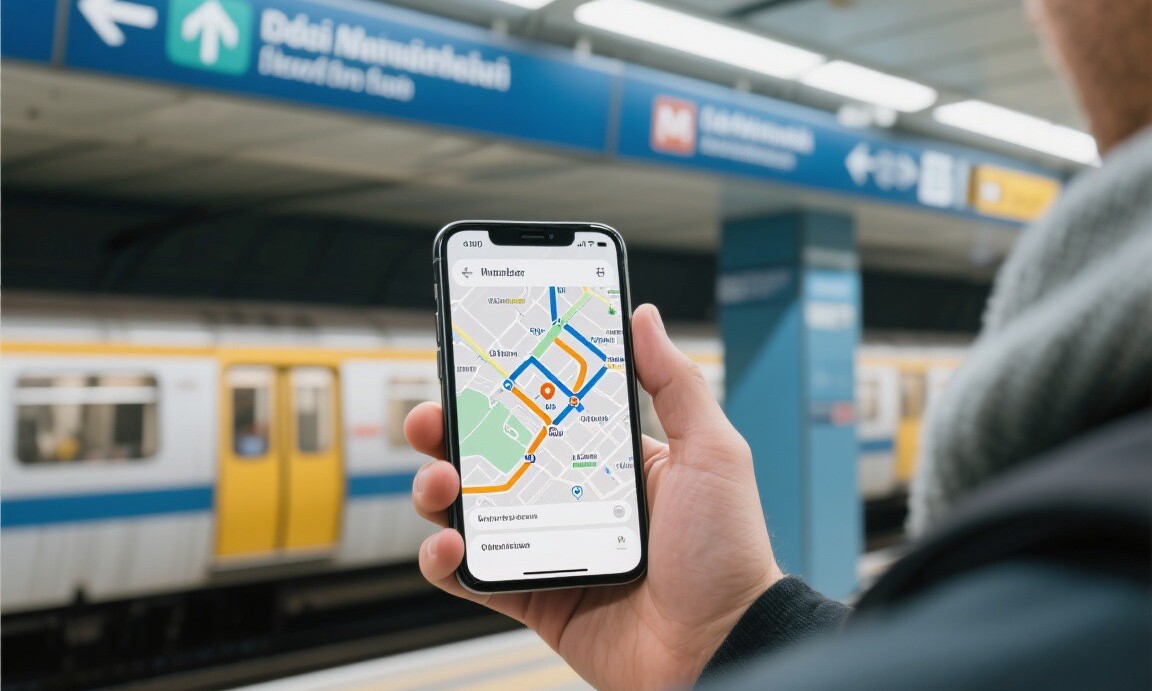
I always download an offline map of the city in Google Maps before arriving. This allows me to navigate without a data connection, which is critical when I first step off a plane or train and do not yet have a local SIM card. I also screenshot the transit map and fare information from the city's transit website, so I have it available even without internet access.
Learning a few key phrases in the local language helps enormously. I always learn "Where is the metro/bus station?" and "How much does it cost to [destination]?" and "One ticket to [destination], please." These three phrases, combined with pointing at my phone map, have gotten me through transit systems in 30 countries. Google Translate's conversation feature is a backup for situations where the local language is too complex for my limited vocabulary.
On the Ground Strategies
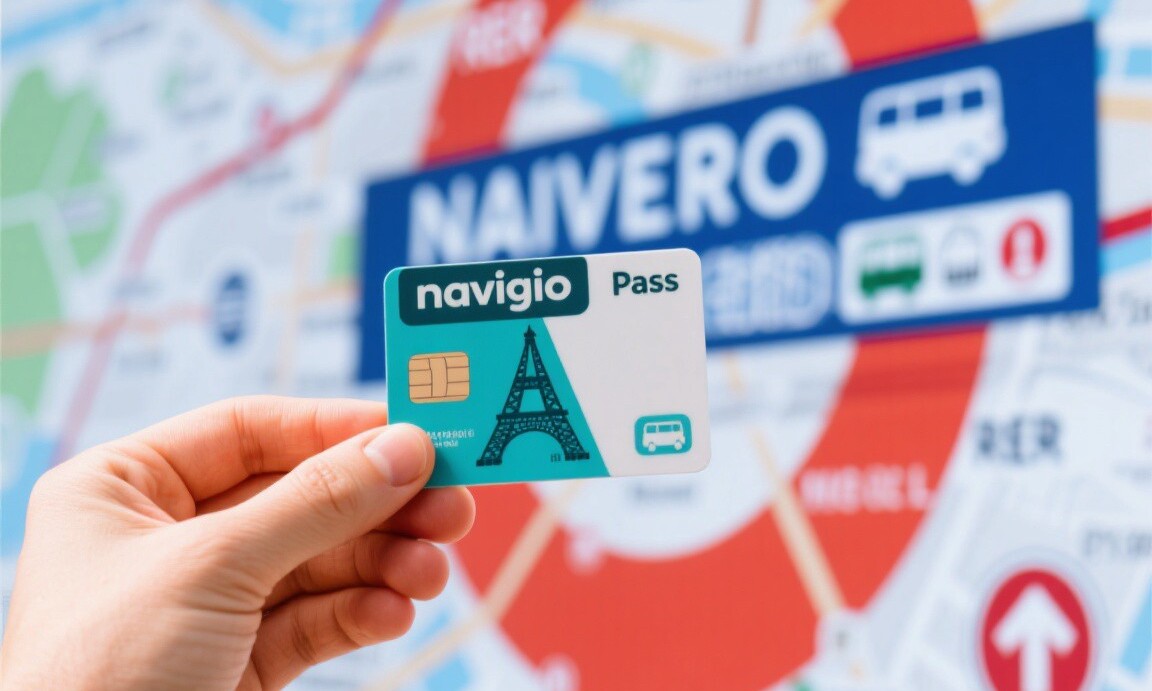
My first transit action in any new city is to buy a multi-day or multi-ride transit pass. Most cities offer passes that are significantly cheaper than buying individual tickets. In Paris, a Navigo Semaine pass costs 30 euros ($32) for unlimited rides on the metro, bus, RER, and tram for one week. Buying individual tickets for the same number of rides would cost 50 to 60 euros. In Tokyo, a Suica or Pasmo card charges a small deposit but offers per-ride discounts and works on all trains, subways, and buses. In Mexico City, the metro costs 5 pesos ($0.28) per ride regardless of distance, making individual tickets so cheap that a pass is unnecessary.
When I board a bus or tram without a clear ticketing system, I watch what the locals do. Do they tap a card when boarding? Do they buy a ticket from a machine at the stop? Do they pay the driver directly? Following the local behavior is the fastest way to figure out an unfamiliar system. In Marrakech, the city buses have no ticketing system at all; you pay the driver when you exit, and the fare is 4 dirhams ($0.40) regardless of distance. I learned this by watching three locals pay the driver before I exited.
Asking for help is underrated. I have found that transit workers, bus drivers, and even fellow passengers are almost always willing to help a confused foreigner. I show them my destination on my phone map, and they point me to the right platform, bus, or direction. In Budapest, a metro attendant walked me to the correct platform when I was confused by the Hungarian signage. In Medellin, a fellow passenger on the metro told me which station to get off at and which bus to transfer to, saving me 30 minutes of wandering.
Safety on public transit varies by city and time of day. I avoid empty train cars, especially at night, and I keep my phone and wallet in a front pocket. In cities where pickpocketing is common, like Barcelona and Rome, I use a money belt under my clothes for my passport and cash. I have never been robbed on public transit, but I have been alert and cautious, which is the best prevention.
Using public transportation like a local saves money, reduces your carbon footprint, and gives you a more authentic experience of the city. You sit next to commuters, hear local conversations, and see neighborhoods that taxi passengers never see. The learning curve can be steep, but the rewards are worth it. The wrong bus in Istanbul taught me more about the city than any taxi ride could have.
Hotel reviewer and luxury travel on a budget specialist. Jake proves you don't need to spend a fortune for a great trip.
Related Reading
Explore more articles on this topic from our travel guides and tips.
-
1
Google Flights Tricks That Most Travelers Do Not Know About Travel Hacks · May 3, 2026
-
2
How to Travel Africa on a Backpacker Budget Budget Travel · May 8, 2026
-
3
The Best Hotel Loyalty Programs Ranked by Value in 2026 Hotel & Flight Deals · Apr 9, 2026
-
4
7 Hidden Gems in Southeast Asia That Won't Break the Bank Destination Guides · Apr 24, 2026