A Complete Budget Guide to Nepal Trekking and Beyond
I landed in Kathmandu on a Tuesday afternoon in October, the sky thick with pollution and the streets choked with motorcycles, sacred cows, and vendors selling...
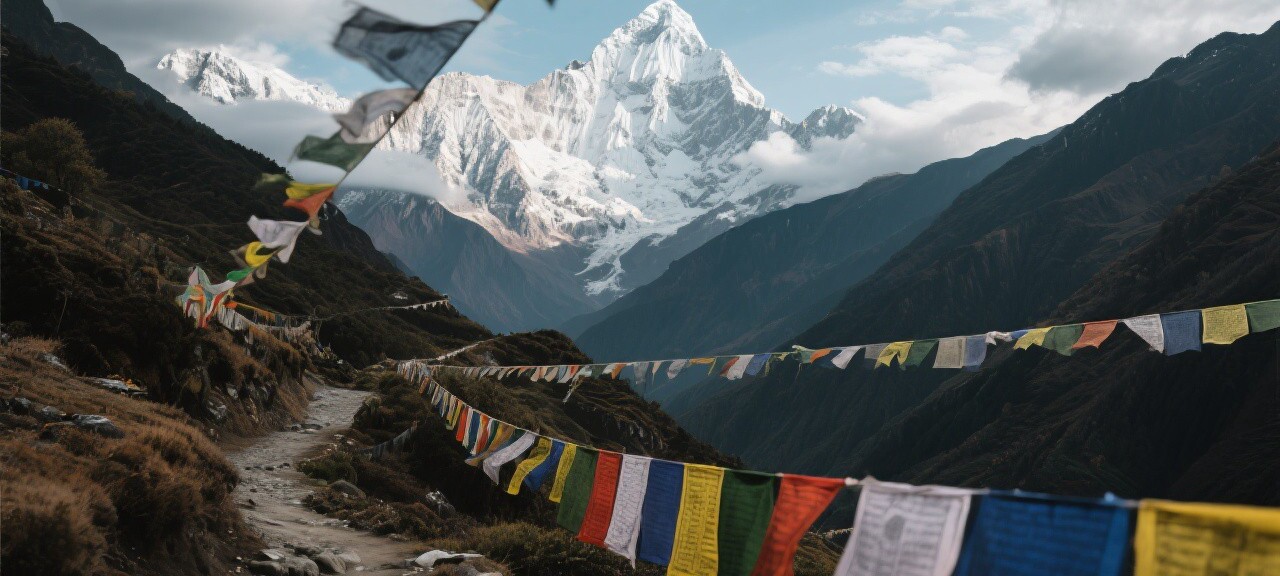
I landed in Kathmandu on a Tuesday afternoon in October, the sky thick with pollution and the streets choked with motorcycles, sacred cows, and vendors selling everything from momos to motorcycle parts. My plan was simple: trek to Everest Base Camp on a budget that most guidebooks would call impossible. I had $1,200 for a month in Nepal, and I was about to find out just how far that money could stretch in the Himalayas.
The first three days in Kathmandu were a sensory assault. Thamel district, the backpacker hub, offered $5 guesthouses with hot water that only worked between 6 and 8 AM. I stayed at the Kathmandu Guest House, a legendary spot where Jimmy Carter once slept, but opted for the $8 dorm instead of the $150 suite. The dal bhat at a local restaurant called Third Eye cost 200 rupees ($1.50) and came with unlimited refills. I ate there four times in three days, loading up on lentil soup, rice, and vegetable curry before the trek.
The Trek to Everest Base Camp
I hired a guide through a recommendation from my guesthouse owner, a Sherpa named Dorje who charged $25 per day including all meals on the trail. The TIMS card cost 2,000 rupees ($15) and the Sagarmatha National Park permit was 3,490 rupees ($26). My flight to Lukla on Yeti Airlines cost $180 round trip, booked through a local agency that saved me $40 compared to online prices.
The trek from Lukla to Base Camp took eleven days. Tea houses along the route charged between 300 and 800 rupees ($2.25 to $6) per night depending on altitude. At Namche Bazaar, the main trading hub at 3,440 meters, I stayed at the Himalayan Lodge where a double room with breakfast cost 500 rupees. The owner, a retired Sherpa named Ang Tsering, told me he had summited Everest seven times. He pointed to a photograph on the wall of himself standing on the summit in 1998, oxygen mask fogged, eyes squinting against wind that must have been howling.
Food on the trail was more expensive than in Kathmandu but still reasonable. A plate of garlic soup at Tengboche Monastery cost 350 rupees, and the monks served it with freshly baked Tibetan bread. At Gorak Shep, the last settlement before Base Camp, a bowl of noodle soup cost 500 rupees. I spent an average of $15 per day on food and accommodation combined during the trek.

Beyond Everest: Pokhara and Annapurna
After Base Camp, I took a bus from Kathmandu to Pokhara, a bone-rattling eight-hour journey along mountain roads that cost 800 rupees ($6). The tourist bus would have cost 1,500 rupees, but the local bus gave me the same view through a window that didn't close properly. Pokhara sits beside Phewa Lake, and from my $6 guesthouse room at the Blue Heaven Hotel, I could see the entire Annapurna range reflected in the water at sunrise.
The trail was not just about reaching Base Camp. It was about the moments in between. At Dingboche, a village at 4,410 meters, I met a German trekker named Klaus who was attempting the trek for the third time. The first two attempts had been thwarted by altitude sickness. This time, he had spent an extra week acclimatizing in Namche, and his patience was paying off. We shared a pot of ginger lemon honey tea at a teahouse called Snow Lion, watching the sun set behind Ama Dablam, one of the most beautiful mountains in the Himalayas. The tea cost 150 rupees, and the view was priceless.
The people of the Khumbu region have built a life around these mountains. In Tengboche, I visited the monastery where the Rinpoche blessed my trekking poles with a flick of holy water. The monks were preparing for the Mani Rimdu festival, and the air smelled of juniper incense and butter lamps. A young monk named Tenzin, no more than 16 years old, practiced his English with me while we waited for the ceremony to begin. He told me he had been at the monastery since he was eight and had never been to Kathmandu. "The mountains are enough," he said, and I believed him.
I did a four-day section of the Annapurna Circuit from Nayapul to Ghorepani, hiking through rhododendron forests that were just starting to bloom in late October. The Poon Hill sunrise, where you watch the first light hit Dhaulagiri and Annapurna South simultaneously, cost nothing but the 150-rupee conservation fee. I shared the viewpoint with about forty other trekkers and a local man selling instant coffee from a thermos for 50 rupees a cup.
My total spend in Nepal over 28 days came to $1,087. That included the Everest Base Camp trek, four days in Pokhara, a paragliding flight over Phewa Lake ($85, booked through a shop on Lakeside Road that undercut the online price by $20), all accommodation, food, permits, and transport. The key was skipping the extras: no bottled water (I used a SteriPEN to purify tap water), no imported snacks, no porter (I carried my own 12-kilogram pack), and no guide for the Annapurna section where the trail was well-marked and easy to follow.

Nepal taught me that the Himalayas are not reserved for people with five-figure expedition budgets. The tea house system makes trekking accessible to anyone willing to walk. The people you meet along the way, from Sherpa guides who have stood on top of the world to guesthouse cooks who make the best dal bhat you have ever tasted, are what make the experience worth every step. I left Nepal with stronger legs, a clearer head, and a new understanding of what it means to live simply and well.
Former airline analyst turned travel deal hunter. Tom knows every trick to find the cheapest flights and hotels.
Related Reading
Explore more articles on this topic from our travel guides and tips.
-
1
Why Hostels Are Better Than You Think in 2026 Budget Travel · Apr 25, 2026
-
2
Google Flights Tricks That Most Travelers Do Not Know About Travel Hacks · May 3, 2026
-
3
How I Traveled Japan for 21 Days on $1200 Budget Travel · May 10, 2026
-
4
Travel Mistakes That Will Get You Banned or Denied Boarding Travel Hacks · May 6, 2026