Eastern Europe Cities That Are Cheaper Than You Think
I was sitting at a sidewalk cafe in Budapest, drinking a double espresso that cost 700 forint ($1.85), when a couple at the next table started discussing their...
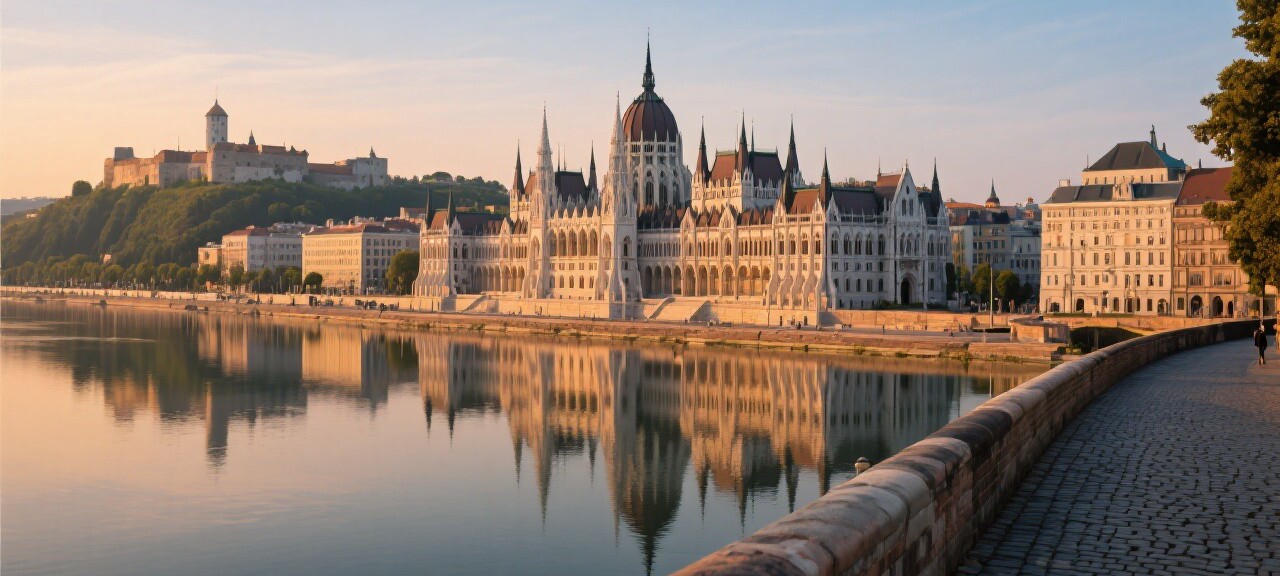
I was sitting at a sidewalk cafe in Budapest, drinking a double espresso that cost 700 forint ($1.85), when a couple at the next table started discussing their hotel bill. They had paid 180 euros per night for a room at the Marriott on the Danube. I was paying 12,000 forint ($32) per night for a private room at the Wombat's City Hostel, three blocks from the same river. Their view was slightly better. My bank account was significantly healthier.
Eastern Europe has been my favorite budget region for five years running, and the gap between what it costs and what it delivers keeps widening. I spent six weeks last summer traveling through Hungary, Poland, Romania, Bulgaria, and North Macedonia, and my average daily spend was $38, including accommodation, food, activities, and local transport.
Budapest: Thermal Baths and Ruin Bars
Budapest runs on two currencies: forint for locals, euros for tourists who don't know better. Every time I paid in euros, I lost about 15 percent on the exchange. The trick is to withdraw forint from ATMs (Euronet machines charge the worst rates; look for OTP Bank or K&H Bank instead) and pay cash everywhere.
The thermal baths are Budapest's biggest attraction, and they are remarkably affordable. Széchenyi, the grand yellow bathhouse in City Park, charges 7,200 forint ($19) for a full-day entry on weekdays. I went at 7 AM on a Monday and had the outdoor thermal pool almost entirely to myself, steam rising from the water as the morning sun hit the neo-Baroque columns. Gellért Baths, the Art Nouveau gem on the Buda side, charges 8,400 forint ($22) and is worth every forint for the architecture alone.
Food in Budapest is where the real savings are. A plate of goulash at a local restaurant in District VII, the Jewish Quarter, costs about 2,500 forint ($6.60). Langos, the deep-fried dough topped with sour cream and cheese, costs 800 forint ($2.10) from a stall in the Central Market Hall. I ate langos three times in one week and did not regret a single calorie.

Krakow, Sofia, and Beyond
Krakow, Poland, was even cheaper. A private room at the Greg and Tom Hostel, one of the highest-rated hostels in Europe, cost 60 zloty ($15) per night. The Old Town square, Rynek Główny, is one of the largest medieval squares in Europe, and sitting there with a 10-zloty ($2.50) zapiekanka, an open-faced baguette melted with cheese and mushrooms, from a stall near the square's edge was one of the best meals of my trip.
The ruin bars of Budapest are an experience that cannot be replicated anywhere else. Szimpla Kert, the original ruin bar, occupies a derelict building in the Jewish Quarter that was scheduled for demolition in the early 2000s. Instead, it was converted into a bar with mismatched furniture, vintage communist-era memorabilia, and a courtyard open to the sky. A pint of Dreher beer costs 850 forint ($2.25). The crowd is a mix of locals, expats, and backpackers, and the atmosphere is chaotic in the best way.
I spent an evening at Instant-Fogas, a sprawling complex of seven bars connected by courtyards and staircases. Each room has a different theme, from a tiki bar to a techno dance floor to a quiet lounge with board games. I played chess with a Hungarian medical student named Gabor while drinking a palinka, a fruit brandy that burns going down and warms you from the inside. He beat me in twelve moves and bought the next round. The palinka cost 1,200 forint ($3.15) and tasted like apricots and regret.
I took a day trip to Auschwitz-Birkenau from Krakow. The museum is free to enter, though booking online costs a small processing fee. The bus from Krakow's main station cost 14 zloty ($3.50) each way. The experience was harrowing and essential, a reminder that budget travel is not just about saving money but about seeing the world honestly.
Sofia, Bulgaria, was the cheapest capital city I visited. A pint of local beer cost 2.50 leva ($1.40). A meal at a traditional tavern called a mehana, with salad, grilled meats, and a glass of rakia, cost about 15 leva ($8.30). I stayed at an Airbnb apartment near Vitosha Boulevard for 35 leva ($19) per night, which gave me a kitchen to cook in and a washing machine, two things that hostels rarely provide at that price point.

Eastern Europe is not a compromise. It is a choice. You get stunning architecture, world-class food, rich history, and warm hospitality at prices that let you travel longer and deeper. I spent six weeks exploring five countries for less than many people spend on a one-week trip to Paris. The only thing missing was the crowds and the prices.
Former airline analyst turned travel deal hunter. Tom knows every trick to find the cheapest flights and hotels.
Related Reading
Explore more articles on this topic from our travel guides and tips.
-
1
The Best Websites for Comparing Hotel Prices in 2026 Hotel & Flight Deals · May 4, 2026
-
2
Credit Card Points: The Smart Way to Book Free Hotels Travel Hacks · Apr 6, 2026
-
3
Budget Travel in South Korea: Seoul and Beyond Destination Guides · Apr 17, 2026
-
4
A Week in Morocco on a Backpacker Budget Destination Guides · Apr 1, 2026