Budget Solo Travel for Women: Safety Tips and Real Talk
A man followed me for six blocks in Marrakech before I ducked into a carpet shop and asked the owner to help me. He did, shooing the man away and giving me a gl...
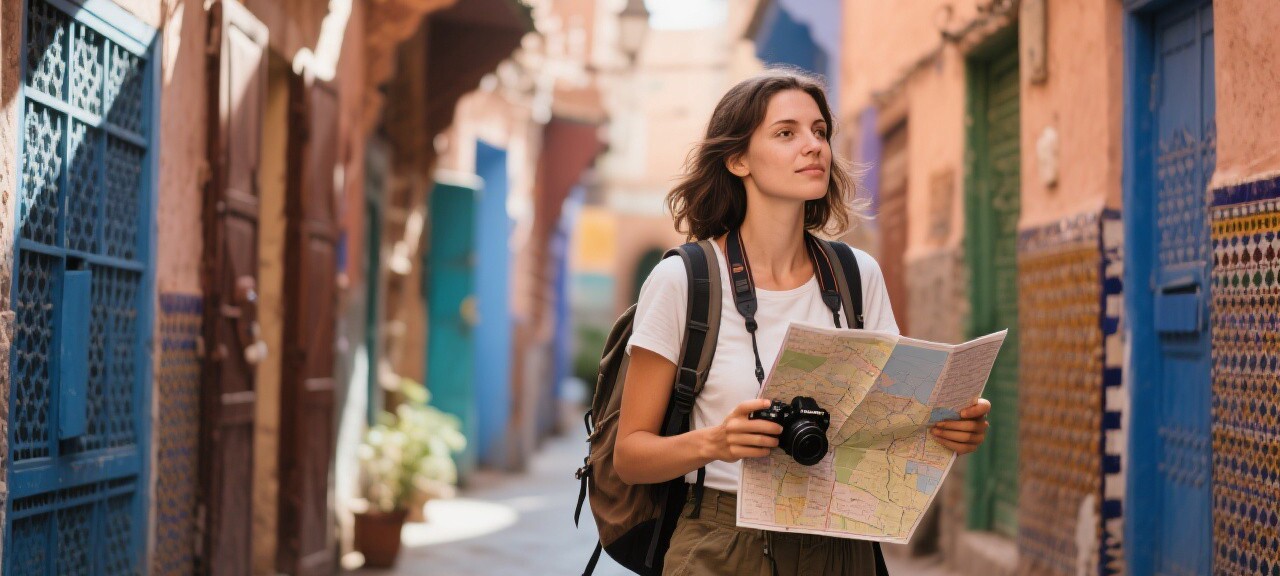
A man followed me for six blocks in Marrakech before I ducked into a carpet shop and asked the owner to help me. He did, shooing the man away and giving me a glass of mint tea while I calmed down. This was my third day in Morocco, and it was the first time I had felt genuinely unsafe. It would not be the last. Solo female travel is not inherently dangerous, but it requires a different set of skills and awareness than traveling with a companion. I have solo traveled through 35 countries, and I have developed a set of practices that keep me safe without keeping me at home.
I want to be clear: the vast majority of my travel experiences have been positive and safe. The incidents that made me uncomfortable were a small minority. But they happened, and being prepared for them made a real difference. Here is the practical safety advice that I actually follow, not the generic "be aware of your surroundings" advice that every travel blog repeats.
Accommodation and Location Choices
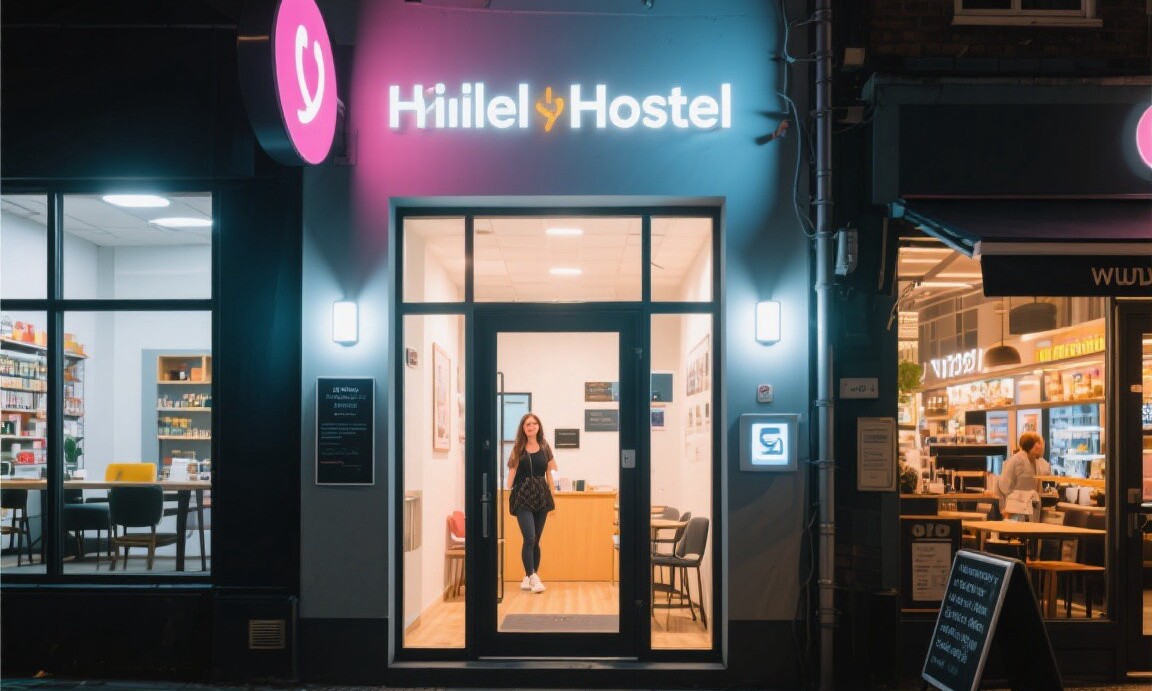
Where you stay is the single most important safety decision you will make. I always stay in well-reviewed hostels or hotels in central, well-lit neighborhoods. I read reviews specifically looking for comments from other solo female travelers. If a hostel has reviews from women mentioning that they felt safe, that carries enormous weight with me. I also check the location on a map at night using Google Street View to see what the neighborhood looks like after dark. A cheap hostel in a poorly lit industrial area is not worth the savings.
When I arrive in a new city, I take a licensed taxi from the airport or train station to my accommodation. I do not walk, I do not take public transit, and I do not accept rides from people who approach me inside the terminal. Licensed taxis have meters, identification, and accountability. The extra cost, usually $5 to $15 more than public transit, is worth it for the safety and peace of mind. In countries where licensed taxis are not clearly marked, I use Uber or Grab, which provide driver identification, GPS tracking, and a record of the trip.
I always share my accommodation details and daily itinerary with someone at home. I use a shared Google Doc that contains my flight numbers, hotel addresses, and daily plans. I update it every morning. If I disappear, someone knows where I was supposed to be. This is not paranoid. It is basic safety planning, the same thing you would do on a hiking trip. I also carry a photocopy of my passport separate from my actual passport, and I store a digital copy in a secure cloud folder.
Daily Safety Practices
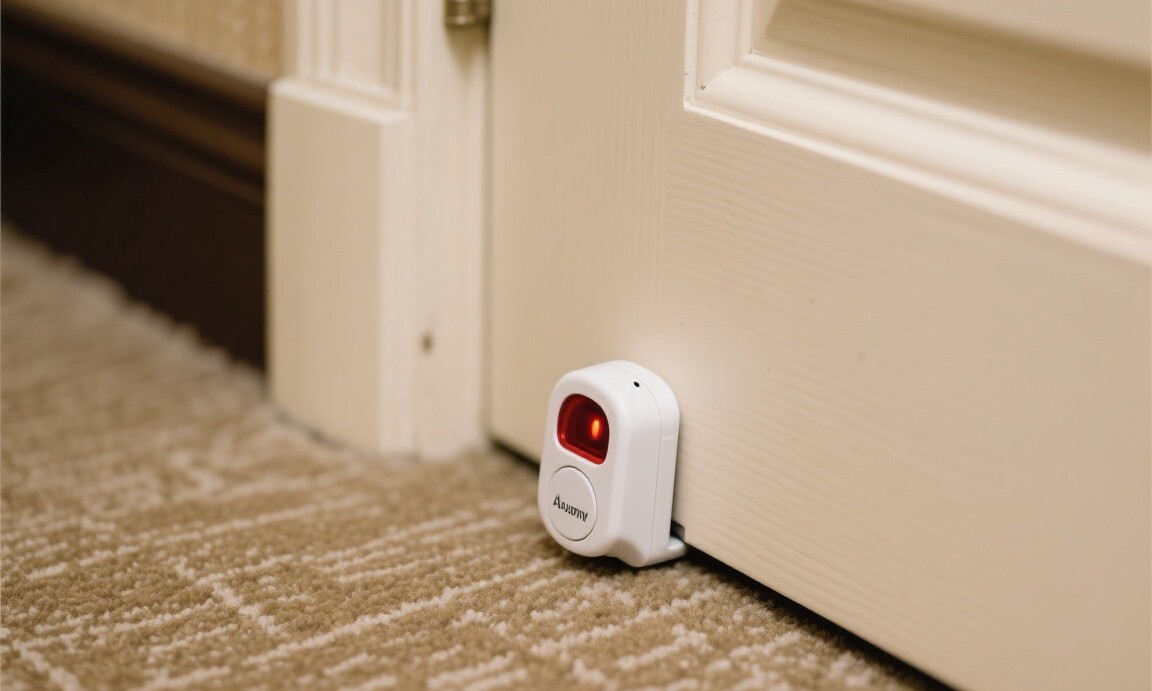
I carry a doorstop alarm, a small wedge that fits under my hotel room door and emits a loud alarm if the door is opened. It costs $15 on Amazon and weighs 2 ounces. I use it in every hotel room, even in nice properties. I also carry a whistle on my keychain and a small flashlight. These items are not weapons, and I do not carry weapons. They are attention-getters, and in an emergency, attention is the most valuable thing you can attract.
Alcohol is the single biggest risk factor for solo female travelers. I limit myself to two drinks when I am alone, and I never accept drinks from strangers. I watch my drink being poured and I do not leave it unattended. In countries where alcohol is part of the social culture, like Germany or Spain, I enjoy a beer or glass of wine at dinner but stop there. In countries where alcohol is less common or where women drinking alone attracts unwanted attention, like Morocco or India, I do not drink at all.
Dressing appropriately for the local culture is not about submitting to oppression. It is about reducing unwanted attention so you can focus on the experience. In conservative countries, I carry a scarf that I can use to cover my head, shoulders, or legs when entering religious sites or walking through traditional neighborhoods. In Turkey, I wore loose-fitting clothing that covered my knees and shoulders, and I received noticeably less harassment than when I wore shorts and a tank top. The choice of clothing does not justify harassment, but it does affect how much of it you experience, and reducing harassment is a practical safety strategy.
I trust my instincts without exception. If a situation, a person, or a place feels wrong, I leave. I have walked out of restaurants, gotten off buses, and changed my accommodation because something felt off. Every time, I was glad I did. The cost of leaving a situation that turns out to be fine is a few minutes of inconvenience. The cost of staying in a situation that turns out to be dangerous is potentially catastrophic. I choose inconvenience every time.
Solo female travel is empowering, transformative, and entirely possible on a budget. I have had some of the best experiences of my life traveling alone, from watching the sunrise over Angkor Wat to eating street food in Bangkok at 2 AM with new friends from my hostel. The key is not to let fear stop you, but to let it prepare you. Take precautions, trust your instincts, and go. The world is too big and too beautiful to stay home because of what might happen.
Former airline analyst turned travel deal hunter. Tom knows every trick to find the cheapest flights and hotels.
Related Reading
Explore more articles on this topic from our travel guides and tips.
-
1
How I Saved $5000 for Travel in 6 Months Working a Regular Job Budget Travel · Apr 18, 2026
-
2
How I Traveled Japan for 21 Days on $1200 Budget Travel · May 10, 2026
-
3
A Budget Guide to the Caucasus: Georgia, Armenia, and Azerbaijan Destination Guides · Apr 4, 2026
-
4
The Best Hotel Loyalty Programs Ranked by Value in 2026 Hotel & Flight Deals · Apr 9, 2026