How to Travel Full-Time on Less Than $1500 a Month
I quit my job as a data analyst in Austin, Texas, on March 15, 2024. I had saved $34,000 over two years of aggressive saving, living in a one-bedroom apartment...
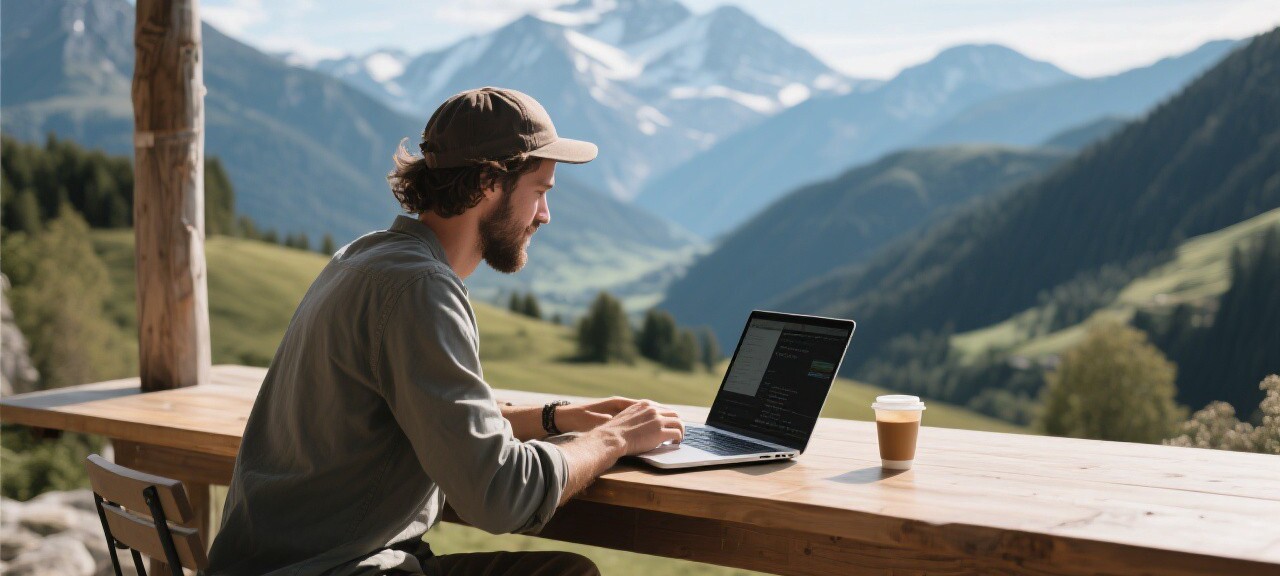
I quit my job as a data analyst in Austin, Texas, on March 15, 2024. I had saved $34,000 over two years of aggressive saving, living in a one-bedroom apartment with a roommate, cooking every meal, and putting 45 percent of my after-tax income into a high-yield savings account. On April 1, I flew to Mexico City with a one-way ticket and a backpack. I have been traveling full-time ever since, and I have spent an average of $1,380 per month, which is less than my rent alone in Austin. People ask me how I do it, and the answer is not a secret. It is a system, and it works because I follow it with the same discipline I used to save the money in the first place.
Full-time travel on a budget is not about suffering. I eat well, I sleep in comfortable beds, I see incredible places, and I have a social life that is richer than it ever was when I was working 50 hours a week. The difference is that every dollar I spend is intentional, and I have eliminated the expenses that do not contribute to my experience. Here is exactly how I allocate my $1,380 per month.
Accommodation: $400 Per Month
Accommodation is the single largest expense in most travel budgets, and it is also the category where the most savings are possible. I spend an average of $400 per month on accommodation, which works out to about $13 per night. This is not a dorm bed in a party hostel. I stay in private rooms, usually in guesthouses or small hotels, and I use a combination of Booking.com, Airbnb, and direct negotiation to find good value.
In Mexico City, I stayed at a guesthouse in the Roma Norte neighborhood called Casa Gonzales for 350 pesos ($20) per night. The room was small but clean, with a double bed, a private bathroom, and a window overlooking a quiet courtyard with a lemon tree. The location was perfect, a ten-minute walk from the Chapultepec Park and surrounded by taquerias, coffee shops, and bookstores. In Oaxaca, I negotiated a monthly rate of $350 at a small hotel called Hotel Azucenas, which included a private room, daily cleaning, and access to a rooftop kitchen. That works out to $11.67 per night.
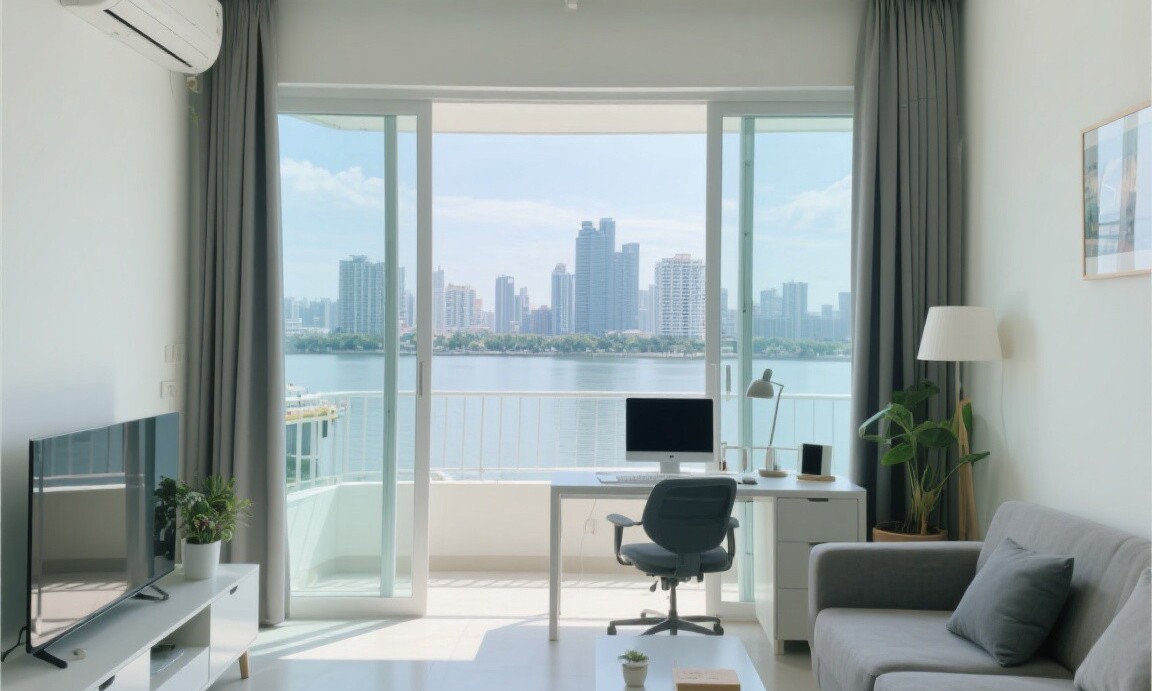
The key to finding cheap accommodation is staying longer in each place. I spend a minimum of two weeks in every city, and often a month or more. Monthly rates are almost always 30 to 50 percent cheaper than nightly rates. In Da Nang, Vietnam, I paid $250 per month for a one-bedroom apartment with a kitchen, a balcony overlooking the Han River, and air conditioning. That apartment would have cost $15 per night on a short-term booking, or $450 per month. By committing to a month, I saved $200.
Food: $300 Per Month
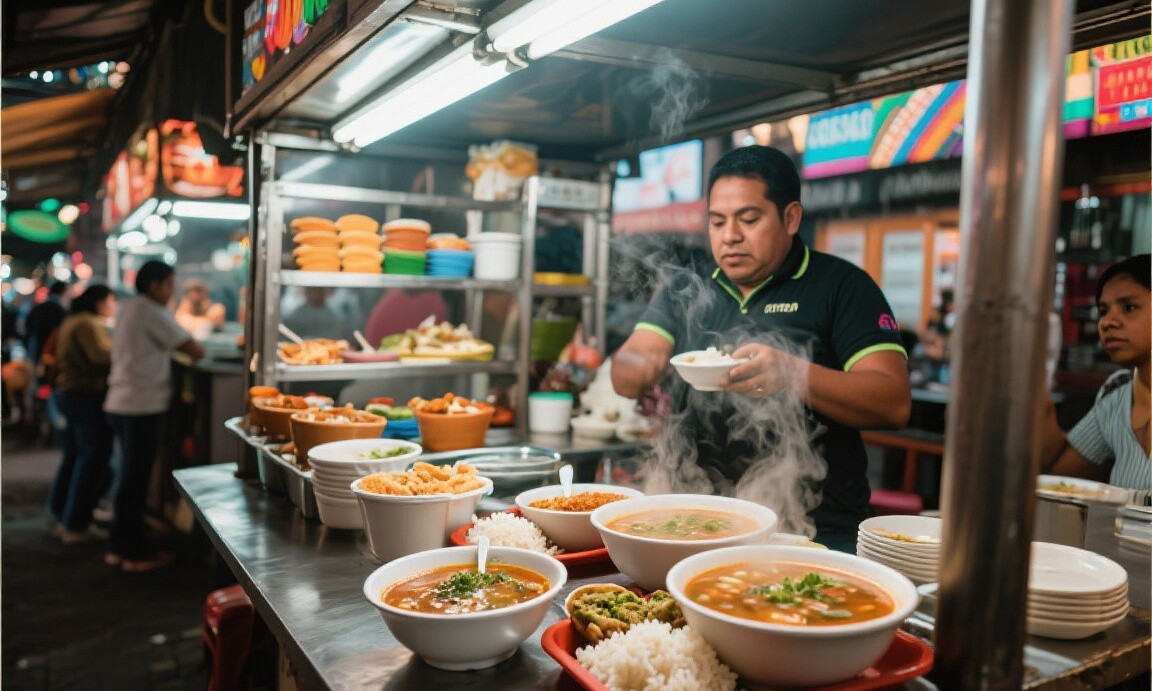
I spend $300 per month on food, which is $10 per day. This is the category where most travelers overspend, usually by eating at restaurants geared toward tourists instead of eating where locals eat. In every country I have visited, the difference between a "tourist restaurant" and a "local restaurant" is enormous: the tourist restaurant charges three to five times more for food that is usually less authentic and less fresh.
In Mexico, I ate at fondas, small family-run restaurants that serve a set meal called a comida corrida for 60 to 80 pesos ($3.50 to $4.70). The meal always includes soup, rice, beans, a main course, and a drink. In Vietnam, I ate at street stalls and local pho shops, where a bowl of beef pho costs 30,000 to 40,000 dong ($1.25 to $1.65) and a banh mi costs 20,000 dong ($0.82). In Thailand, a plate of pad kra pao, stir-fried basil with meat and rice, from a street cart costs 40 to 50 baht ($1.15 to $1.45).
I cook about a third of my meals when I have access to a kitchen. In Oaxaca, I bought vegetables, chicken, and tortillas at the Mercado Benito Juarez for about $3 per meal and cooked at home. In Da Nang, I bought fresh fish at the Han Market for $2 per kilogram and cooked it with rice and vegetables for $1.50 per meal. Cooking does not save as much money as you might expect in developing countries, where street food is already incredibly cheap, but it provides variety and a break from restaurant food.
Transportation: $200 Per Month
Transportation costs $200 per month on average, but this varies enormously depending on whether I am moving between cities or staying put. In a typical month, I take one or two intercity trips by bus or budget airline, and use local transport, walking, and occasional taxis for daily getting around.
Intercity buses in Mexico are excellent and cheap. A first-class bus from Mexico City to Oaxaca, a six-hour journey on a bus with reclining seats, Wi-Fi, and a bathroom, cost 750 pesos ($44) on a company called ADO. In Vietnam, a sleeper bus from Hanoi to Da Nang, a 16-hour overnight journey, cost 500,000 dong ($20.50). Budget airlines like Volaris in Mexico and VietJet in Vietnam offer domestic flights for $30 to $60 when booked in advance, which I use for longer distances where a bus would take more than 12 hours.
Local transportation is usually cheap enough to be negligible. A metro ride in Mexico City costs 5 pesos ($0.29). A motorbike taxi in Vietnam costs 15,000 to 20,000 dong ($0.62 to $0.82) for a trip across town. I walk as much as possible, which costs nothing and is the best way to discover a city.
Everything Else: $480 Per Month
The remaining $480 per month covers activities and sightseeing ($150), health insurance ($80), phone and internet ($50), visas and paperwork ($50), laundry and toiletries ($50), and a miscellaneous buffer ($100). Activities are the one category where I do not scrimp. I pay for the experiences that matter to me, whether that is a cooking class in Oaxaca ($25), a diving trip in the Philippines ($35), or entrance to Angkor Wat in Cambodia ($37). These are the reasons I travel, and I budget for them specifically.
Full-time travel on $1,380 per month is not a fantasy. It is a choice, and it requires the same discipline as any budget, whether you are living in one place or moving through many. The formula is simple: stay longer, eat local, use public transport, and spend money on experiences rather than comfort. I have been doing this for over a year, and my savings account is still growing. The life I have now, waking up in a different country every few weeks, eating food I never knew existed, meeting people I never would have met, is worth more to me than any salary I have ever earned.
Former airline analyst turned travel deal hunter. Tom knows every trick to find the cheapest flights and hotels.
Related Reading
Explore more articles on this topic from our travel guides and tips.
-
1
Error Fares and Mistake Fares: How to Catch Them Before They Disappear Hotel & Flight Deals · May 3, 2026
-
2
Eating Well on the Road Without Blowing Your Budget Budget Travel · Apr 15, 2026
-
3
How to Book Multi-City Flights Without Overpaying Hotel & Flight Deals · May 6, 2026
-
4
Budget Weekend Getaways from Major US Cities Destination Guides · Apr 8, 2026