The Best Budget Travel Apps I Use Every Single Trip
I deleted 47 travel apps from my phone over the course of a year. I had downloaded them all at various points, seduced by promises of "the best deals" and "must...
I deleted 47 travel apps from my phone over the course of a year. I had downloaded them all at various points, seduced by promises of "the best deals" and "must-have tools." Most of them were useless, redundant, or designed to extract money through subscriptions I forgot to cancel. When the purge was done, I was left with seven apps that I use on every single trip, and these seven have saved me thousands of dollars collectively.
Navigation and Transport
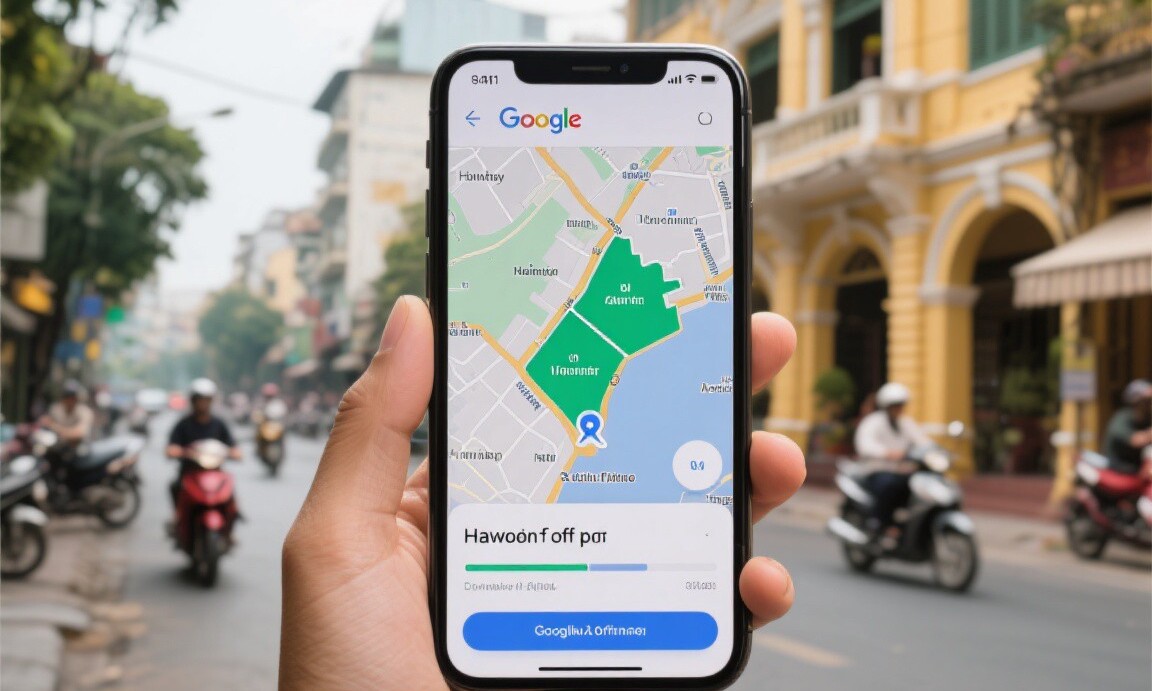
Google Maps is the single most important travel app, and I do not need to convince anyone to download it. But most people do not know about its offline maps feature. Before every trip, I download the map for the entire country or region I am visiting. In Vietnam, I downloaded the maps for Hanoi, Hoi An, and Ho Chi Minh City while on WiFi at my hotel, and then used Google Maps for navigation without any data connection. The offline maps include walking directions, driving directions, and public transit information. They saved me from getting lost countless times and eliminated the need for an expensive data plan.
Maps.me is my backup navigation app. It is entirely offline and has better hiking trail maps than Google Maps. In Nepal, when I was trekking to Everest Base Camp and Google Maps had no trail data, Maps.me showed the entire route with elevation profiles and waypoints. I also use it in cities where Google Maps' walking directions are unreliable, which happens frequently in developing countries where street names change or do not exist. Maps.me is free and open-source, and I have used it in 30 countries without a single failure.
Rome2Rio is the app I use for planning transport between cities. It shows every possible combination of flights, trains, buses, and ferries for any route, along with estimated prices and travel times. In Colombia, I used Rome2Rio to find a bus from Medellin to Salento that cost 45,000 pesos ($11) and took 5 hours, a route that no guidebook mentioned. The app is not perfect, the prices are estimates and sometimes inaccurate, but it is the best starting point for figuring out how to get from point A to point B in any country.
Accommodation and Food
Booking.com is my primary accommodation app because of its free cancellation policy and massive inventory. I book with free cancellation whenever possible, which lets me lock in a good price while keeping the flexibility to change plans. The app also has a "Genius" loyalty program that gives discounts after a certain number of bookings. I am at Genius Level 2, which gives me 10 percent off at select properties and free breakfast at others. The discounts have saved me about $200 over the past year.
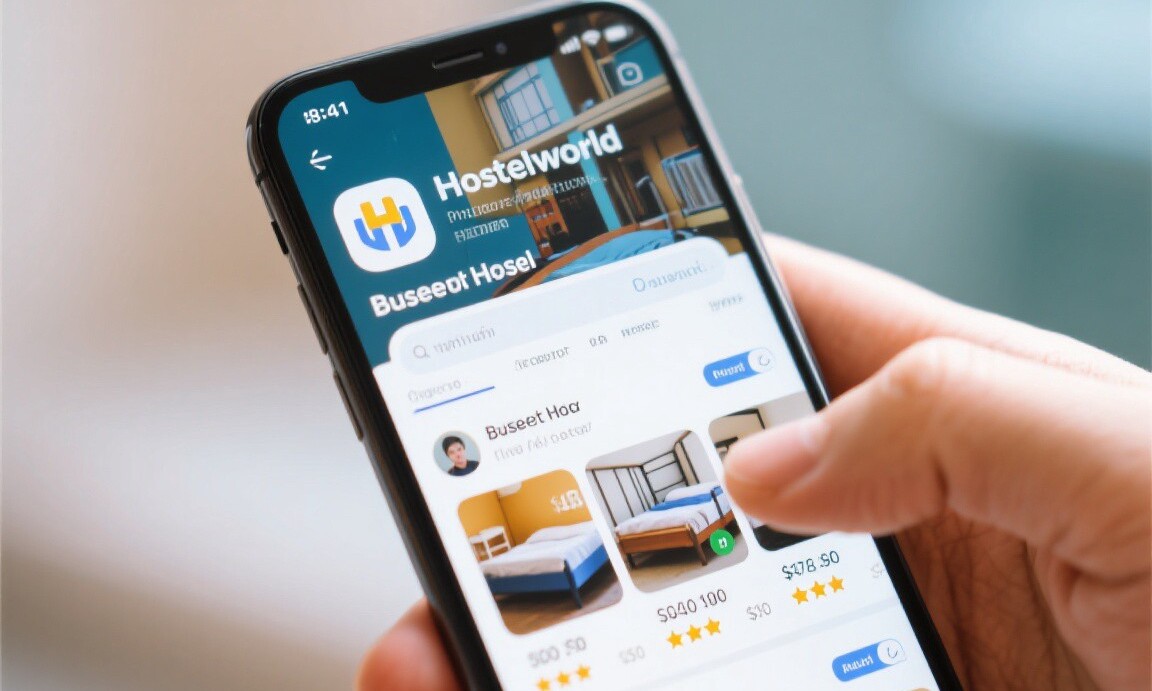
Hostelworld is the best app for finding budget accommodation, particularly dorm beds in hostels. The app has reviews from verified guests, which are more reliable than reviews on general booking platforms. I use it to compare hostel prices and read reviews before booking. In Budapest, Hostelworld helped me find the Wombat's City Hostel, which I would never have discovered through Booking.com. The hostel had a 9.4 rating from over 2,000 reviews and cost $32 per night for a private room, half the price of the cheapest hotel in the same area.
The app landscape is constantly changing, and I regularly evaluate new options. Last year, I added Wise to my toolkit for international money transfers. When I needed to pay a deposit for a trekking company in Nepal, Wise charged me $4 in fees compared to the $35 my bank would have charged for an international wire. The transfer arrived in two hours instead of three to five business days. For anyone who needs to send money internationally, Wise is essential.
I also started using Splitwise for group travel expenses. On a trip with three friends through Portugal, we logged every shared expense into the app, from gas to groceries to restaurant bills. At the end of the trip, Splitwise calculated exactly who owed whom what. Instead of a confusing mess of IOUs and partial payments, we each made one transfer to settle up. The app saved us hours of accounting and prevented the awkward conversations about money that can ruin friendships.
For food, I use two apps: HappyCow for finding vegetarian and vegan restaurants, and Google Translate for reading menus in languages I do not understand. HappyCow is free with ads and has a database of vegetarian and vegan restaurants worldwide. In Chiang Mai, it led me to a restaurant called Pun Pun, an organic vegetarian restaurant inside Wat Suan Dok temple that served the best green curry I have ever tasted for 80 baht ($2.30). Google Translate's camera feature, which translates text in real time through the phone camera, is essential for navigating menus in countries like Japan, Korea, and China where English menus are not always available.
The other two apps in my permanent travel toolkit are XE Currency Converter, which I use multiple times per day to check exchange rates and avoid getting ripped off on currency conversions, and Trail Wallet, a simple expense tracking app that lets me log every expense by category. Trail Wallet showed me that I was spending 40 percent of my budget on food in Thailand, which prompted me to start cooking more meals in hostel kitchens. These seven apps, Google Maps, Maps.me, Rome2Rio, Booking.com, Hostelworld, HappyCow, and XE Currency, are all I need. Everything else is noise.
Hotel reviewer and luxury travel on a budget specialist. Jake proves you don't need to spend a fortune for a great trip.
Related Reading
Explore more articles on this topic from our travel guides and tips.
-
1
Camping While Traveling: The Ultimate Budget Accommodation Hack Budget Travel · Apr 10, 2026
-
2
How to Keep Your Phone Charged During Long Travel Days Travel Hacks · Apr 18, 2026
-
3
How to Get Hotel Status Matches and Challenges Hotel & Flight Deals · Apr 8, 2026
-
4
Free Activities in 15 Major Cities That Tourists Always Miss Budget Travel · Apr 14, 2026