India for First-Timers: A Realistic Budget Guide
The auto-rickshaw driver in Delhi looked at me with genuine concern when I told him I wanted to go to Connaught Place. "First time in India?" he asked. I said y...
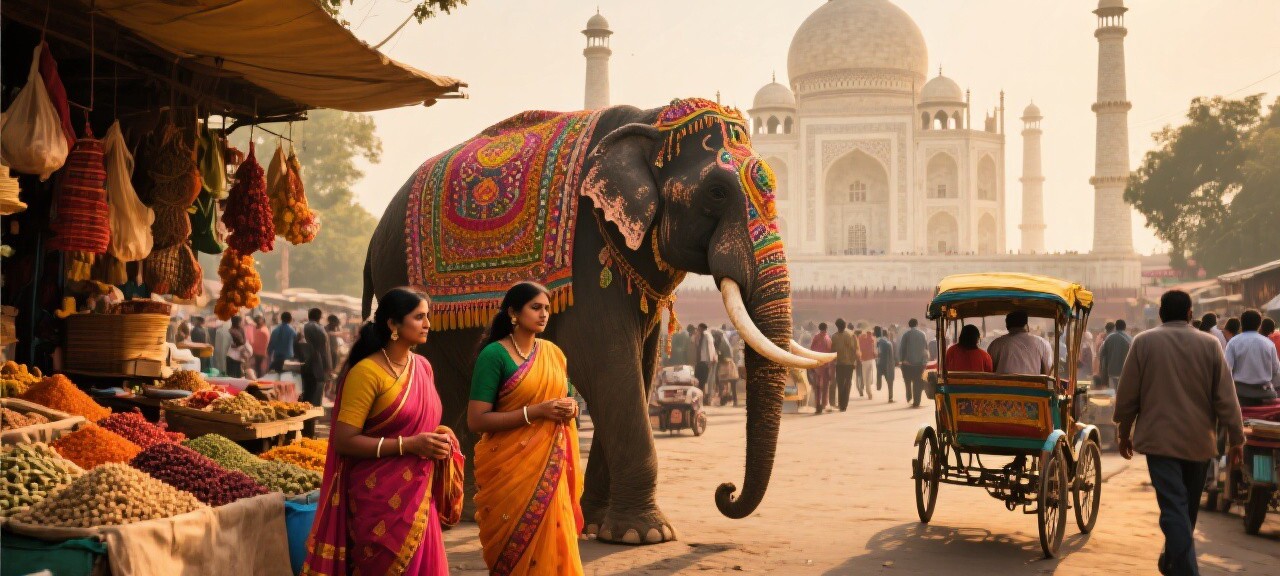
The auto-rickshaw driver in Delhi looked at me with genuine concern when I told him I wanted to go to Connaught Place. "First time in India?" he asked. I said yes. He nodded slowly, as if confirming a diagnosis. "You will be fine," he said. "Just don't believe anyone who tells you a place is closed." He then proceeded to take me to three different shops where his friends tried to sell me pashmina scarves, a "government-approved" gemstone store, and a "free" yoga class that required a 5,000-rupee donation. I declined everything, paid him the metered fare of 120 rupees ($1.44), and walked into Connaught Place feeling like I had passed my first test.
India is overwhelming for first-time visitors. The noise, the crowds, the heat, the chaos, the constant attention from touts and scammers, it can be too much on day one. But if you survive the initial shock, India rewards you with experiences that no other country can match. I spent three weeks in India on a budget of $30 per day, and I left feeling like I had only scratched the surface.
Delhi and Agra: The Classic Introduction
I flew into Delhi Indira Gandhi International Airport on a SpiceJet flight from Bangkok that cost $85 one way. The airport express metro connects the airport to central Delhi for 60 rupees ($0.72), which is the cheapest and most reliable way to get into the city. I stayed at the Moustache Hostel in the Paharganj neighborhood for 400 rupees ($4.80) per night in a dorm bed. Paharganj is chaotic and not particularly clean, but it is within walking distance of the New Delhi railway station and has dozens of budget guesthouses.
Delhi's street food is legendary and cheap. A plate of chole bhature, spiced chickpeas with fried bread, at a stall in Chandni Chowk costs 60 rupees ($0.72). Aloo tikki, a fried potato patty with chutney, costs 30 rupees ($0.36). I ate my way through Old Delhi for under 200 rupees ($2.40) per day, sampling parathas at the famous Parathe Wali Gali, kulfi (Indian ice cream) at Kuremal Mohan Lal Kulfi Wale, and jalebi, deep-fried sweet batter, at the Old Famous Jalebi Wala, which has been operating since 1884.
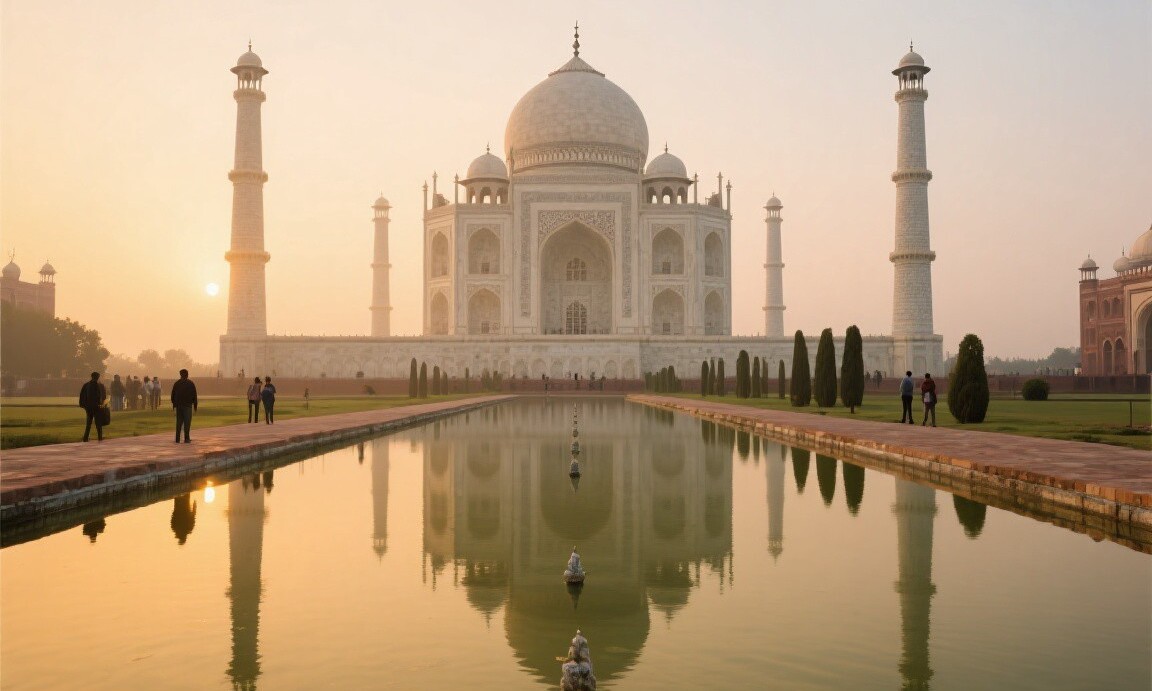
The Taj Mahal in Agra is the reason most first-timers come to India, and it lives up to the hype. I took the Gatimaan Express train from Delhi to Agra, which costs 750 rupees ($9) for a chair car seat and takes 100 minutes. The Taj Mahal entry fee for foreigners is 1,100 rupees ($13), which includes a bottle of water and shoe covers. I arrived at 5:30 AM, before the crowds, and watched the sunrise turn the white marble from gray to pink to gold. The early morning light and the relative emptiness made the experience feel almost private. By 8 AM, the place was packed, and I was grateful for my early start.
Jaipur and Rajasthan
From Agra, I took a bus to Jaipur, the capital of Rajasthan, which cost 350 rupees ($4.20) and took four hours. Jaipur is known as the Pink City because its old town buildings are painted a terracotta pink. I stayed at the Zostel Jaipur for 500 rupees ($6) per night, a clean and colorful hostel with a rooftop restaurant that served excellent thali for 150 rupees ($1.80).
Jaipur's main attractions are the Amber Fort, the Hawa Mahal (Palace of Winds), and the City Palace. The Amber Fort, a massive hilltop fort with a maze of courtyards, halls, and gardens, costs 200 rupees ($2.40) for foreigners and is worth every rupee. I hired a tuk-tuk driver named Raju for 800 rupees ($9.60) for a full day of sightseeing, which included the Amber Fort, the Hawa Mahal, the City Palace, and the Jal Mahal, a palace floating in the middle of a lake. Raju also took me to a textile shop where I bought a block-printed bedspread for 600 rupees ($7.20), which I still use at home.
Food in Rajasthan is hearty and cheap. A thali, a platter with rice, dal, vegetables, roti, and dessert, costs 80 to 150 rupees ($0.96 to $1.80) at local restaurants. The best thali I had was at a place called Niros on MI Road, a Jaipur institution since 1949. The dal makhani was creamy and rich, the paneer tikka was smoky and tender, and the entire meal cost 180 rupees ($2.16). I ate there three times.
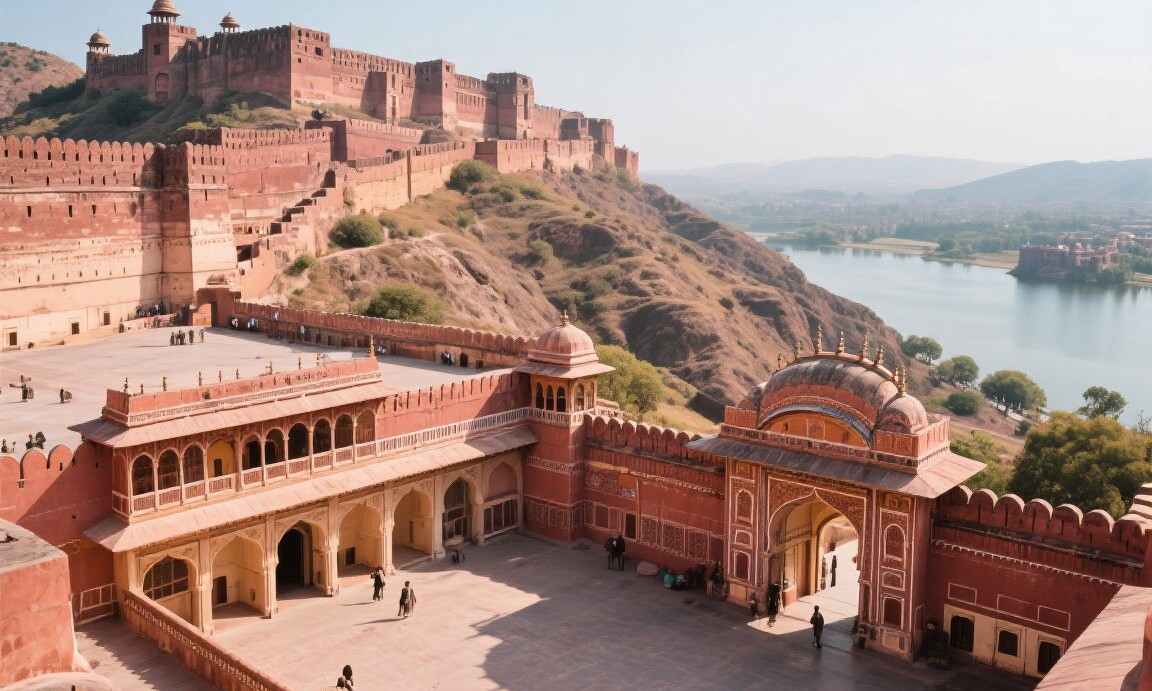
Three weeks in India cost me $630, or $30 per day. That included two domestic flights, three train journeys, accommodation, food, all activities, and a few souvenirs. India is the most budget-friendly major destination I have visited, and the gap between what you pay and what you receive is enormous. The food alone is worth the trip. The Taj Mahal alone is worth the trip. The chaos, the color, the noise, and the constant sensory overload are not for everyone, but if you can embrace the madness, India will change the way you see the world.
Hotel reviewer and luxury travel on a budget specialist. Jake proves you don't need to spend a fortune for a great trip.
Related Reading
Explore more articles on this topic from our travel guides and tips.
-
1
A Budget Traveler Guide to the Greek Islands Destination Guides · Apr 11, 2026
-
2
Budget Travel in South Korea: Seoul and Beyond Destination Guides · Apr 17, 2026
-
3
How to Get Your TSA PreCheck or Global Entry for Free Travel Hacks · Apr 5, 2026
-
4
Long-Term Stay Deals: How to Get Monthly Hotel Rates Hotel & Flight Deals · Apr 29, 2026