Budget Guide to Argentina: Patagonia and Buenos Aires
The steak at a parrilla called La Brigada in Buenos Aires cost 4,500 Argentine pesos ($4.50 at the blue dollar rate). It was a 400-gram ribeye, grilled over woo...
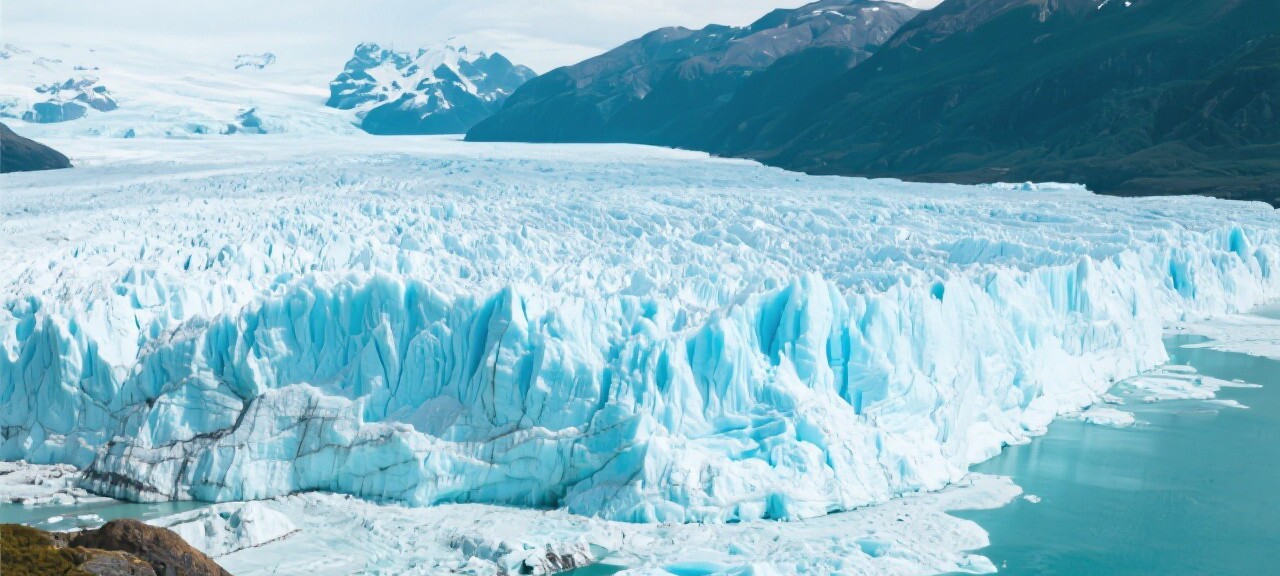
The steak at a parrilla called La Brigada in Buenos Aires cost 4,500 Argentine pesos ($4.50 at the blue dollar rate). It was a 400-gram ribeye, grilled over wood coals, served with chimichurri and a plate of fries. The meat was so tender I could cut it with a spoon, and the flavor was rich and smoky with a perfect char on the outside. In New York, a comparable steak would cost $45 to $60. Argentina's exchange rate, the "blue dollar" rate that reflects the actual market value of the peso rather than the official government rate, makes the country one of the best travel bargains in the world right now.
I spent three weeks in Argentina, covering Buenos Aires, El Calafate, El Chaltén, and Mendoza, on a budget of $40 per day. The blue dollar rate was approximately 1,000 pesos to the US dollar during my visit, compared to the official rate of 350 pesos. This means that when I paid with cash (US dollars exchanged at the blue rate), everything cost about one-third of what the official exchange rate would suggest. Argentina is a country where your money goes absurdly far, if you know how to navigate the currency system.
Buenos Aires: Steak, Tango, and Street Art
I stayed at a hostel called America del Sur in the San Telmo neighborhood for $12 per night in a dorm bed. San Telmo is the oldest neighborhood in Buenos Aires, known for its Sunday antique market, tango parlors, and crumbling colonial architecture. The hostel had a rooftop terrace where I drank Malbec wine that cost 800 pesos ($0.80) per glass from a local wine shop.
Buenos Aires' food scene is extraordinary and cheap. A medialuna, a croissant-like pastry, from a bakery called Las Violetas cost 300 pesos ($0.30). A choripán, a grilled chorizo sausage in a bread roll, from a street vendor near the Recoleta cemetery cost 1,500 pesos ($1.50). Empanadas from a place called El Sanmartino in the Congreso neighborhood cost 600 pesos ($0.60) each, and I ate three for lunch with a glass of Quilmes beer for 800 pesos ($0.80). My total food cost in Buenos Aires was about $8 per day, and I ate steak at least four times.
A tango show at a milonga called La Viruta cost 2,000 pesos ($2) for entry, which included a one-hour lesson before the dancing started. I was terrible at tango, stepping on my partner's feet and moving in the wrong direction, but the atmosphere was magical. Couples of all ages danced with a passion and precision that made me feel like I was witnessing something sacred. A more formal tango dinner show at a venue like Cafe de los Angelitos costs 15,000 to 25,000 pesos ($15 to $25), which includes dinner and a professional show, but the milonga experience was more authentic and a fraction of the cost.
Patagonia and Mendoza
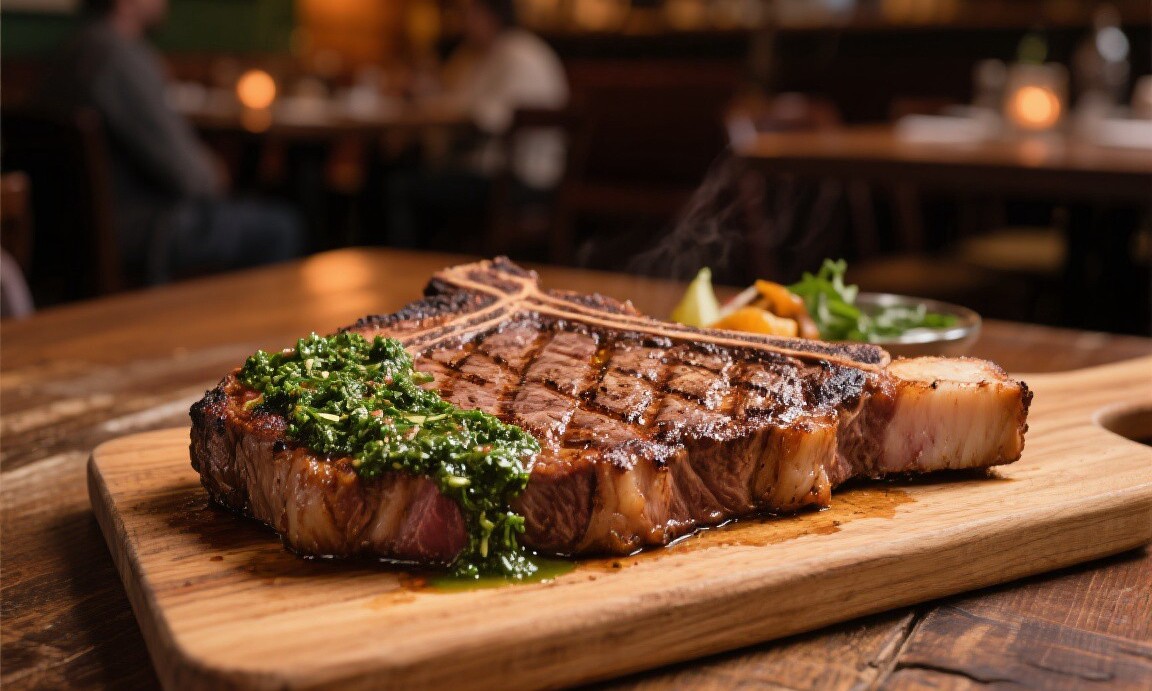
Patagonia is the expensive part of Argentina, but even here, the blue dollar rate makes it manageable. I flew from Buenos Aires to El Calafate on Aerolineas Argentinas for $85 one way, booked through a local travel agency that offered a 20 percent discount on domestic flights for cash payments. In El Calafate, I stayed at a hostel called America del Sur (a different branch of the same chain) for $15 per night. The Perito Moreno Glacier, a massive glacier that is one of the few advancing glaciers in the world, cost 5,000 pesos ($5) for the national park entry plus 15,000 pesos ($15) for the boat tour that takes you within 200 meters of the glacier's face. The sound of the glacier calving, chunks of ice the size of buildings crashing into the water, was thunderous and unforgettable.
El Chaltén, a small town in Los Glaciares National Park, is the trekking capital of Argentina. I hiked to the base of Fitz Roy, a dramatic granite peak that rises 3,405 meters above the surrounding landscape. The hike is 20 kilometers round trip and takes 8 to 10 hours. The trail is free, and the views of Fitz Roy reflected in the glacial lake at the base are among the most spectacular in South America. I stayed at a hostel called Rancho Grande for $12 per night and cooked my meals in the hostel kitchen using ingredients from the local market.
Mendoza, Argentina's wine region, was my final stop. I took an overnight bus from Buenos Aires, which cost 25,000 pesos ($25) for a semi-cama seat. In Mendoza, I stayed at a hostel called Hostel Lao for $10 per night. Wine tastings at bodegas in the Maipú region cost 3,000 to 5,000 pesos ($3 to $5) per tasting, and most included four to six wines. I hired a bicycle through the hostel for 5,000 pesos ($5) per day and rode between four bodegas, tasting Malbec, Cabernet Sauvignon, and Torrontés in the shadow of the Andes.
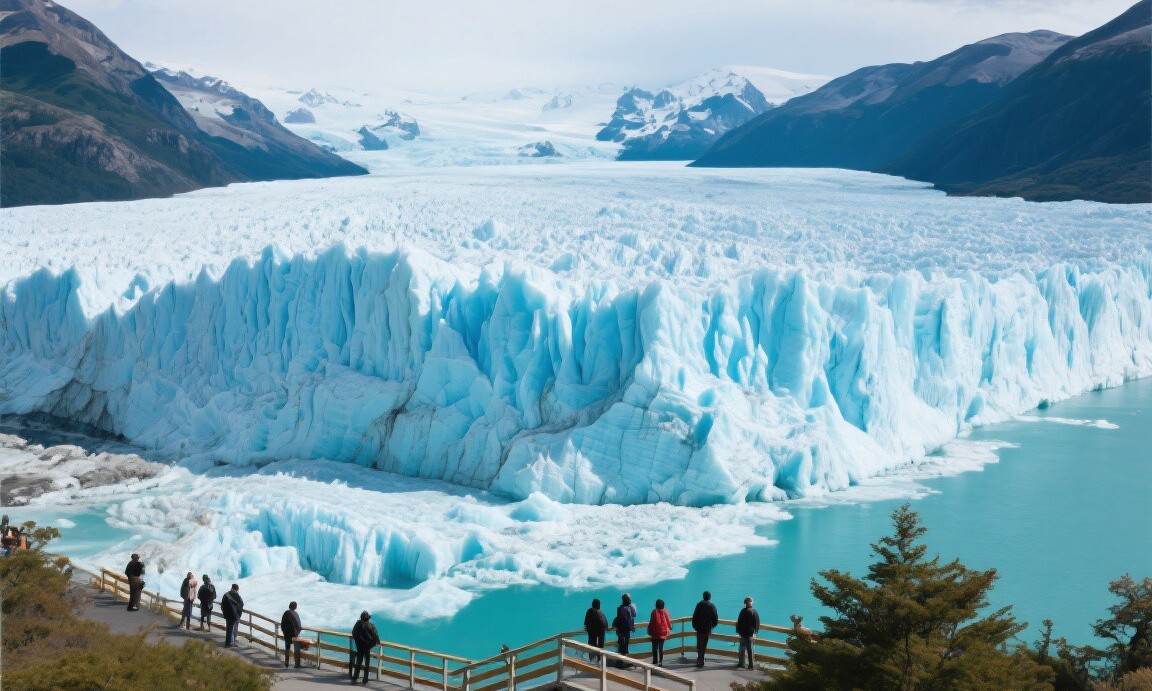
Three weeks in Argentina cost me $840, or $40 per day. That included two domestic flights, an overnight bus, all accommodation, food, activities, and wine tastings. Argentina's blue dollar rate makes it one of the best-value destinations in the world right now. The steaks, the wine, the tango, the glaciers, and the mountains are all available at prices that would be unimaginable in Europe or North America. The currency situation is confusing and requires some effort to navigate, but the payoff is extraordinary.
Budget travel expert who has visited 60+ countries on a shoestring budget. She shares practical tips to help anyone travel for less.
Related Reading
Explore more articles on this topic from our travel guides and tips.
-
1
How to Get Travel Insurance That Actually Covers What You Need Budget Travel · Apr 12, 2026
-
2
The $500 a Month Digital Nomad Guide to Bali Hotel & Flight Deals · Apr 20, 2026
-
3
How to Get Free Hotel Nights on Your First Booking Hotel & Flight Deals · Apr 21, 2026
-
4
How to Negotiate Better Hotel Rates Directly Hotel & Flight Deals · Apr 7, 2026