Budget Guide to the Balkans: The Cheapest Region in Europe
I was sitting at a cafe in Sarajevo, drinking a Bosnian coffee that cost 2 marks ($1.10), when I realized that my entire day, including accommodation, food, tra...
I was sitting at a cafe in Sarajevo, drinking a Bosnian coffee that cost 2 marks ($1.10), when I realized that my entire day, including accommodation, food, transport, and a museum visit, had cost less than a single hotel breakfast in Paris. The Balkans, the region of Southeastern Europe that includes Albania, Bosnia and Herzegovina, Montenegro, North Macedonia, Kosovo, and Serbia, is the cheapest part of Europe by a wide margin. I spent six weeks traveling through the region and my average daily spend was $28, including everything.
The Balkans offer a combination of stunning natural scenery, rich history, Ottoman and European cultural influences, and some of the best food in Europe, all at prices that seem too good to be true. Here is my complete budget guide to the region, with specific costs and recommendations for each country.
Albania: The Budget Champion
Albania is the cheapest country in Europe, and it is not close. I spent 10 days there and my average daily spend was $22. A private room in a guesthouse in Tirana cost 2,500 lek ($23). A meal at a traditional restaurant called Oda in Tirana, serving tavce krvavici (baked meatballs), fergese (baked peppers with cheese), and byrek (savory pie), cost 800 lek ($7.30) for two courses and a drink. A beer cost 150 lek ($1.35). A 30-minute taxi ride across Tirana cost 500 lek ($4.50).
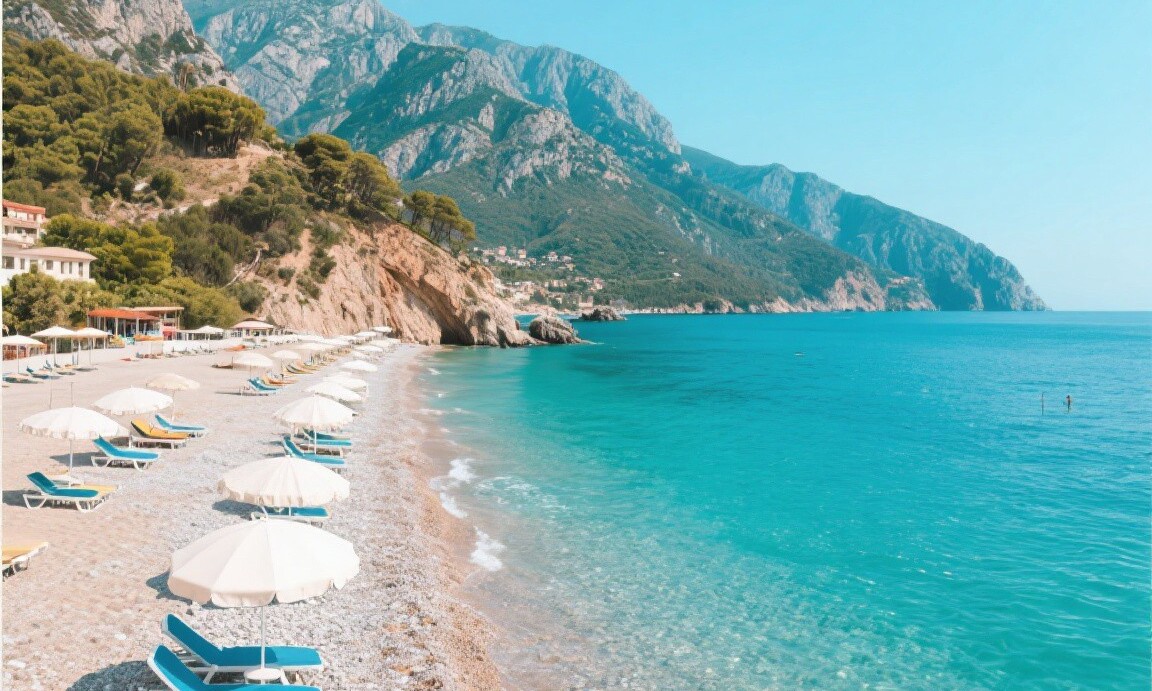
The Albanian Riviera, the stretch of coastline south of Vlora, has beaches that rival the Greek islands at a fraction of the cost. I stayed at a guesthouse in Dhermi, a village on the coast, for 2,000 lek ($18) per night with a sea view. The beach was a five-minute walk from my room, the water was turquoise and warm, and a seafood lunch at a beachside restaurant cost 600 lek ($5.45). In Ksamil, near the southern border with Greece, I camped on the beach for free and watched the sunset over three small islands that sit in the bay like floating jewels.
Transport in Albania is cheap but basic. Buses between cities cost 300 to 600 lek ($2.70 to $5.45) and run on flexible schedules. Furgons, shared minivans, are the primary mode of intercity transport and cost about the same as buses. The roads are improving but still rough in places, and journeys take longer than you would expect based on distance. The furgon from Tirana to Saranda took five hours to cover 280 kilometers.
Bosnia, Montenegro, and North Macedonia
Bosnia and Herzegovina is slightly more expensive than Albania but still remarkably cheap. In Sarajevo, I stayed at the Hostel Franz Ferdinand for 20 euros ($22) per night in a dorm bed. The city is a fascinating mix of Ottoman bazaars, Austro-Hungarian architecture, and somber reminders of the 1990s war. The Tunnel of Hope, a tunnel that Sarajevans used to break the siege during the war, costs 10 marks ($5.50) to enter and is one of the most powerful historical sites I have visited. A cevapi, grilled minced meat sausages with flatbread and onions, at a restaurant called Zeljo cost 8 marks ($4.40).
The hospitality in the Balkans is something that cannot be priced. In Albania, I was invited into a family's home for coffee simply because I asked for directions. They served me Turkish coffee, homemade raki, and baklava while their grandmother told me stories about life under communism. In Bosnia, a shopkeeper refused to let me pay for a bottle of water when he learned I was visiting the Tunnel of Hope. "For our guests," he said, waving away my money. These moments of generosity are the real treasure of budget travel in the Balkans.
The food in the region is hearty and cheap. In North Macedonia, I ate tavce gravce, a baked bean dish that is the national staple, at a restaurant in Ohrid. The portion was large enough for two people and cost 180 denars ($3.15). In Montenegro, I had a seafood feast on the coast, grilled squid, prawns, and fish, with wine and salad, for 25 euros ($27). The same meal in Italy would have cost three times as much. The Balkans prove that you do not need to spend a lot to eat well while traveling.
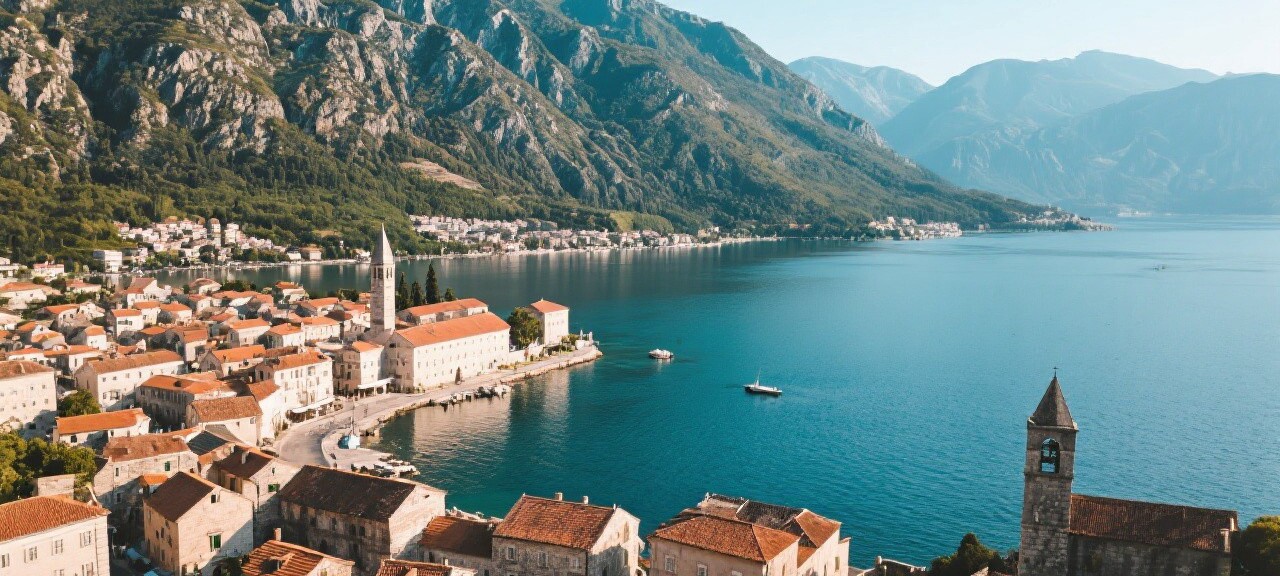
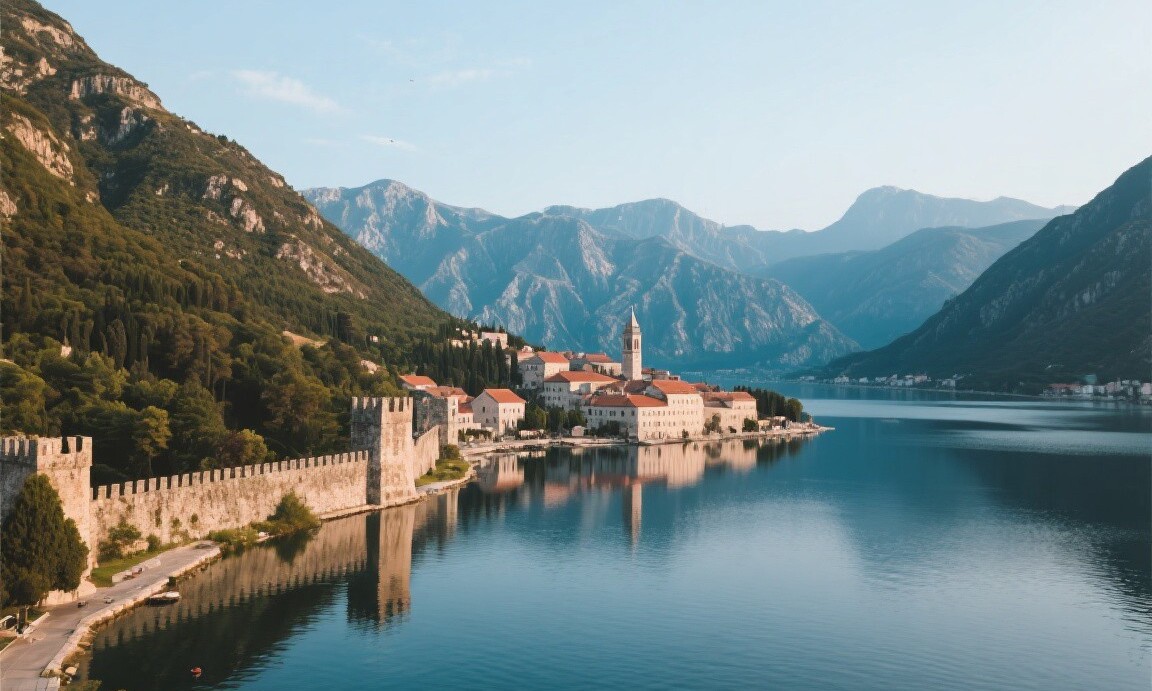
Montenegro offers dramatic scenery at low prices. The Bay of Kotor, a fjord-like inlet surrounded by mountains, is one of the most beautiful places in Europe. I stayed in Kotor's old town at the Old Town Hostel for 15 euros ($16) per night. The climb to the Kotor Fortress, 1,350 steps up the mountain behind the town, is free and offers views of the entire bay. A meal of seafood risotto at a restaurant called Galion, on the waterfront in Kotor, cost 10 euros ($10.80).
North Macedonia is the Balkans' hidden gem. Lake Ohrid, shared with Albania, is one of the oldest and deepest lakes in Europe, with a town that dates back to the 4th century BC. I stayed at a guesthouse in Ohrid for 12 euros ($13) per night. A plate of tavce gravce, baked beans with meat, at a restaurant called Dalga cost 200 denars ($3.50). The Church of St. John at Kaneo, perched on a cliff above the lake, is free to enter and offers one of the most photographed views in the Balkans. A boat tour of the lake, including a visit to the Monastery of St. Naum, cost 500 denars ($8.70).
Six weeks in the Balkans cost me $1,176, or $28 per day. That included all accommodation, food, transport, activities, and border crossings. The Balkans are not just cheap; they are genuinely rewarding destinations with rich history, stunning scenery, and warm hospitality. The region is changing fast as more tourists discover it, but for now, it remains Europe's best budget secret. Go before the secret gets out.
Former airline analyst turned travel deal hunter. Tom knows every trick to find the cheapest flights and hotels.
Related Reading
Explore more articles on this topic from our travel guides and tips.
-
1
How to Get Your TSA PreCheck or Global Entry for Free Travel Hacks · Apr 5, 2026
-
2
Travel Booking Sites Compared: Which One Actually Has the Best Deals Travel Hacks · Apr 20, 2026
-
3
Free Activities in 15 Major Cities That Tourists Always Miss Budget Travel · Apr 14, 2026
-
4
Credit Card Points: The Smart Way to Book Free Hotels Travel Hacks · Apr 6, 2026