The Philippines Island Hopping Guide on a Tight Budget
The boat from El Nido to Coron took eight hours and cost 2,200 pesos ($38). The sea was rough for the first two hours, and half the passengers were seasick, clu...
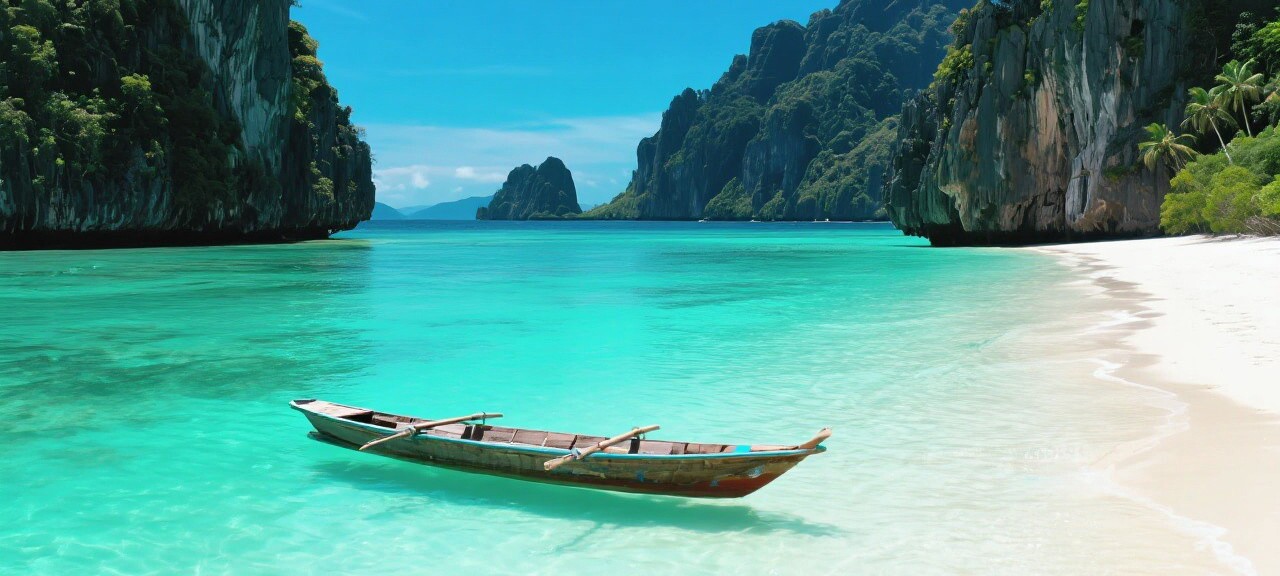
The boat from El Nido to Coron took eight hours and cost 2,200 pesos ($38). The sea was rough for the first two hours, and half the passengers were seasick, clutching plastic bags and staring at the horizon with green faces. I took a Dramamine and slept through the worst of it, waking up as the boat entered a channel between two limestone islands covered in dense jungle. The water turned from deep blue to turquoise to emerald green as we approached Coron, and the passengers who had been seasick forgot their nausea and reached for their cameras. This is the Philippines: the journey is always harder than you expect, and the destination is always more beautiful than you imagined.
I spent three weeks island hopping through the Philippines, visiting Palawan, Cebu, and Siargao, on a budget of $30 per day. The Philippines is one of the most affordable island destinations in the world, with white sand beaches, crystal-clear water, and some of the friendliest people in Southeast Asia. The challenge is getting around, as the archipelago of 7,641 islands requires flights, ferries, and boats, all of which run on schedules that are more suggestions than commitments.
Palawan: El Nido and Coron
I flew from Manila to Puerto Princesa on Cebu Pacific for 2,800 pesos ($48) one way, booked three months in advance. From Puerto Princesa, I took a van to El Nido for 700 pesos ($12), a journey of five hours along a winding road through palm plantations and small villages. In El Nido, I stayed at the Outpost Beach Hostel for 500 pesos ($8.60) per night in a dorm bed with a fan. The hostel was on the beach, had a bar with 80-peso ($1.40) beers, and organized island-hopping tours.
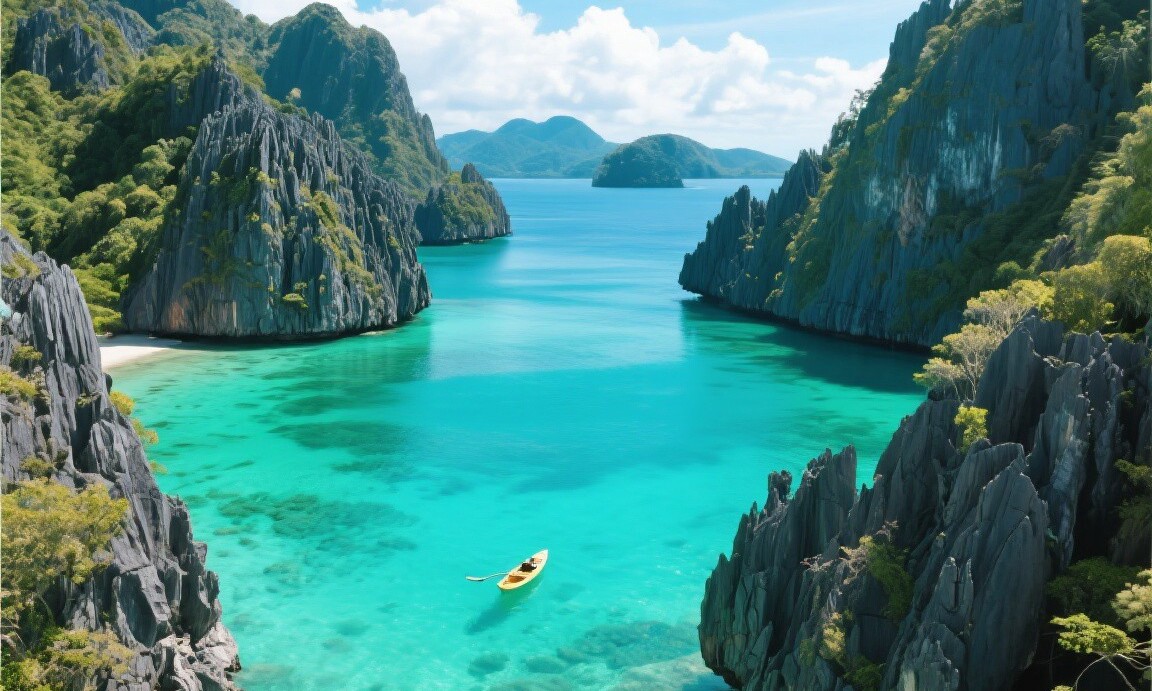
The island-hopping tour in El Nido is the main activity, and it is worth every peso. I booked Tour A through the hostel for 1,200 pesos ($21), which included a boat, guide, lunch, and snorkeling gear. The tour visited the Big Lagoon, a stunning inlet surrounded by towering limestone cliffs; the Small Lagoon, accessible only by kayaking through a narrow opening in the rock; and Seven Commando Beach, a strip of white sand with a small vendor selling fresh coconuts for 50 pesos ($0.85). The tour lasted from 9 AM to 4 PM, and the scenery was some of the most dramatic I have seen in Southeast Asia.
Food in El Nido was more expensive than the rest of the Philippines because everything has to be transported by boat or van. A meal at a local restaurant cost 150 to 250 pesos ($2.60 to $4.30). A plate of garlic rice and grilled fish at a beachside restaurant called Happiness Beach Bar cost 200 pesos ($3.45). I cooked some meals in the hostel kitchen to keep costs down, buying rice, eggs, and vegetables from the market for about 100 pesos ($1.70) per meal.
Cebu and Siargao
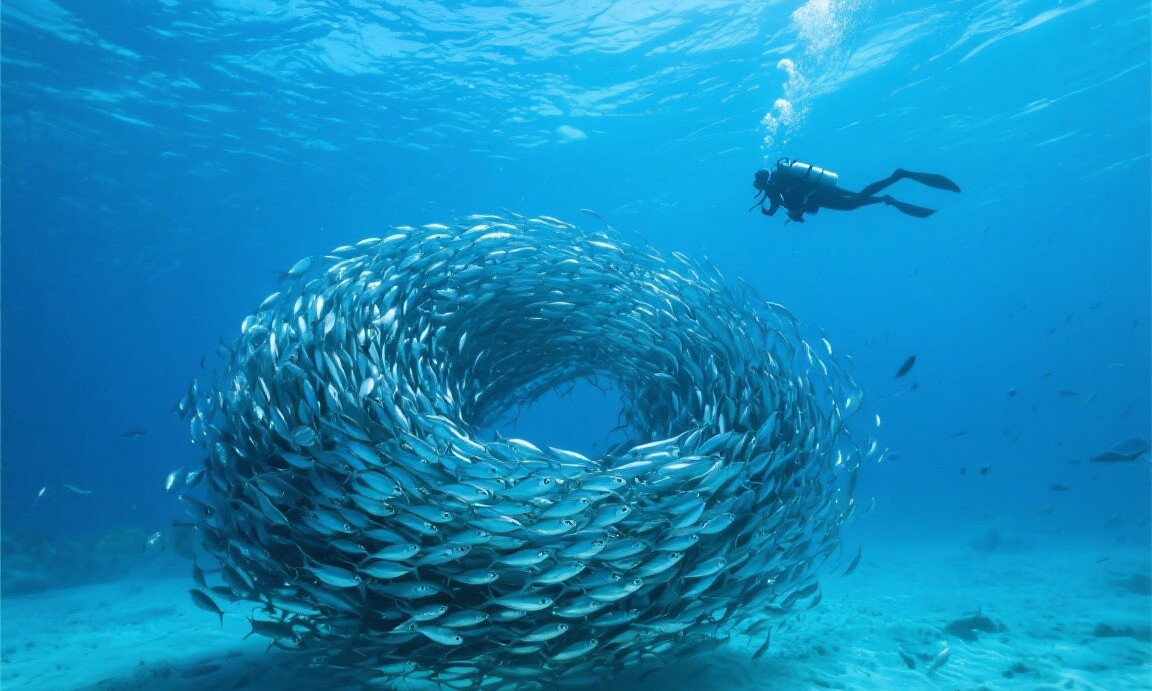
From Coron, I flew to Cebu City on Philippine Airlines for 3,500 pesos ($60). In Cebu, I took a bus to Moalboal, a small town on the west coast known for its sardine run, a massive school of sardines that swirls in a ball just offshore. I stayed at a guesthouse called Chief Mau for 400 pesos ($6.90) per night. The sardine run is free to see if you snorkel from the shore, though I rented a guide and gear for 300 pesos ($5.20). Swimming through a million sardines that moved as a single organism, parting around me and reforming behind me, was one of the most surreal experiences of my life.
Siargao, in the southern Philippines, is the surfing capital of the country. I flew from Cebu to Siargao on Cebu Pacific for 2,500 pesos ($43). In Siargao, I stayed at a surf camp called Kermit Surf Resort for 600 pesos ($10.35) per night in a fan-cooled room. A surf lesson with board rental cost 500 pesos ($8.60) for two hours. I am not a good surfer, and I spent most of the two hours falling off the board and drinking seawater, but standing up even once, riding a wave for three seconds before wiping out, was worth every peso.
Siargao's food scene is cheap and excellent. A bowl of kinilaw, the Filipino version of ceviche made with fresh tuna, vinegar, and citrus, at a restaurant called Shaka Siargao cost 180 pesos ($3.10). A coconut from a roadside vendor cost 30 pesos ($0.52). A motorcycle rental, the primary mode of transport on the island, cost 350 pesos ($6) per day. I rode to Magpupungko Rock Pools, natural tide pools with crystal-clear water, and to the Coconut Road, a stunning avenue of coconut palms that leads to the island's interior.
Three weeks in the Philippines cost me $630, or $30 per day. That included four domestic flights, two boat journeys, all accommodation, food, activities, and a surf lesson. The Philippines is not the easiest country to travel in, the transport is slow, the infrastructure is basic, and the weather can be unpredictable. But the natural beauty, the warmth of the people, and the absurdly low prices make it one of the best value destinations in Asia. The rough boat rides and delayed flights are the price of admission to paradise.
Hotel reviewer and luxury travel on a budget specialist. Jake proves you don't need to spend a fortune for a great trip.
Related Reading
Explore more articles on this topic from our travel guides and tips.
-
1
Error Fares and Mistake Fares: How to Catch Them Before They Disappear Hotel & Flight Deals · May 3, 2026
-
2
Free Activities in 15 Major Cities That Tourists Always Miss Budget Travel · Apr 14, 2026
-
3
The Best Websites for Comparing Hotel Prices in 2026 Hotel & Flight Deals · May 4, 2026
-
4
The Best Times to Book Hotels for Maximum Savings Hotel & Flight Deals · Apr 26, 2026