Hotel Booking Mistakes That Are Costing You Money
I paid $187 for a hotel room in Lisbon that I later found on the hotel's own website for $119. Same room, same dates, same cancellation policy. The difference w...

I paid $187 for a hotel room in Lisbon that I later found on the hotel's own website for $119. Same room, same dates, same cancellation policy. The difference was that I booked through Booking.com, which added a markup of $68, or 57 percent, to the rate the hotel was charging directly. I did not discover this until I walked past the hotel's front desk and saw a sign advertising their "best rate guarantee" with a URL printed below it. I pulled out my phone, typed in the URL, and felt sick. I had been traveling for three years at that point and thought I knew how to book a hotel. I was wrong.
That experience in Lisbon sent me down a rabbit hole of research and experimentation that changed the way I book accommodation. Over the next two years, I tested every booking strategy I could find, compared prices across dozens of platforms, and tracked the results. I have stayed in over 200 hotels, hostels, and guesthouses since then, and I now consistently pay 20 to 40 percent less than the first price I see online. Here are the mistakes I was making and the fixes that actually work.
Mistake One: Booking Only on One Platform
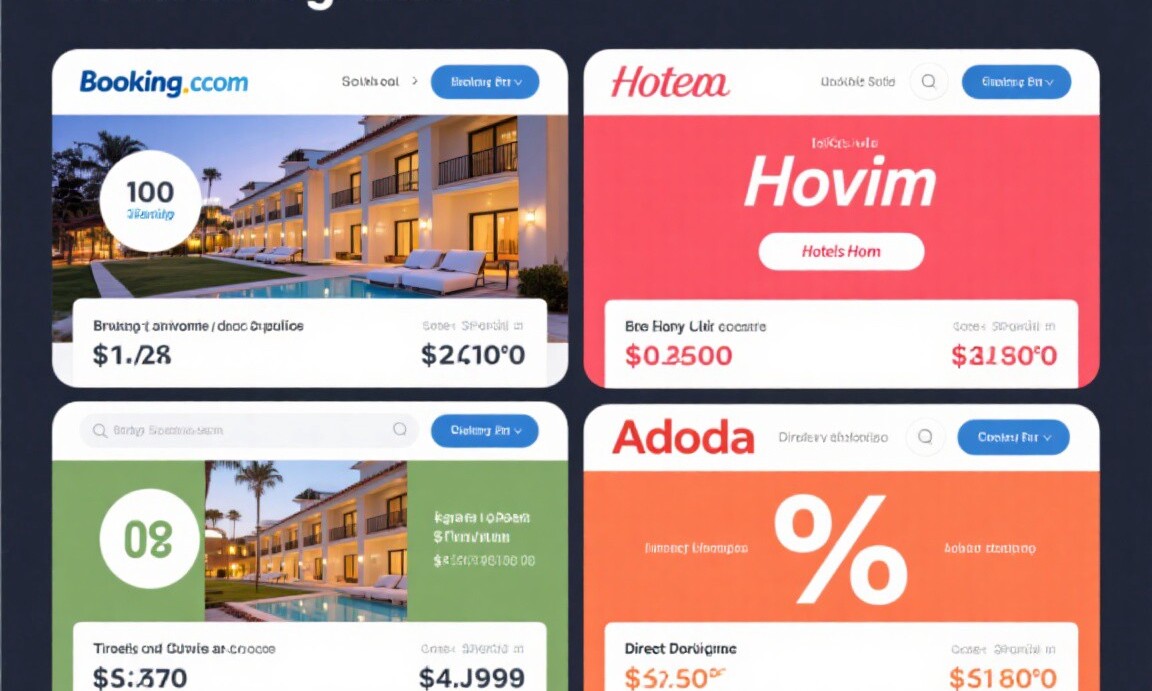
Most people have a favorite booking site and stick with it. For years, mine was Booking.com. The problem is that no single platform has the best price every time. I have seen the same hotel listed at $85 on Booking.com, $72 on Hotels.com, $68 on Expedia, and $59 on Agoda, all for the same night. The variation is often 20 to 30 percent, and the differences are not predictable. Sometimes Booking.com is cheapest. Sometimes Agoda is. Sometimes the hotel's own website beats them all.
My current system is to check three sites before booking: Google Hotels, which aggregates prices from multiple platforms; the hotel's own website; and one of the major OTAs, usually Booking.com or Agoda depending on the region. Google Hotels is the fastest starting point because it shows a comparison of prices across platforms in a single view. I type in my destination and dates, sort by price, and immediately see which platform is cheapest for each property. This takes about two minutes and has saved me hundreds of dollars.
In Chiang Mai, Thailand, I found a boutique hotel called the Tamarind Village listed at $65 on Booking.com. Google Hotels showed the same room for $48 on Agoda. I checked the hotel's own website and found it for $42, with a free breakfast included that was not offered on either OTA. The total savings was $23 per night, or $161 over a one-week stay, for about three minutes of comparison shopping.
Mistake Two: Ignoring Cancellation Policies
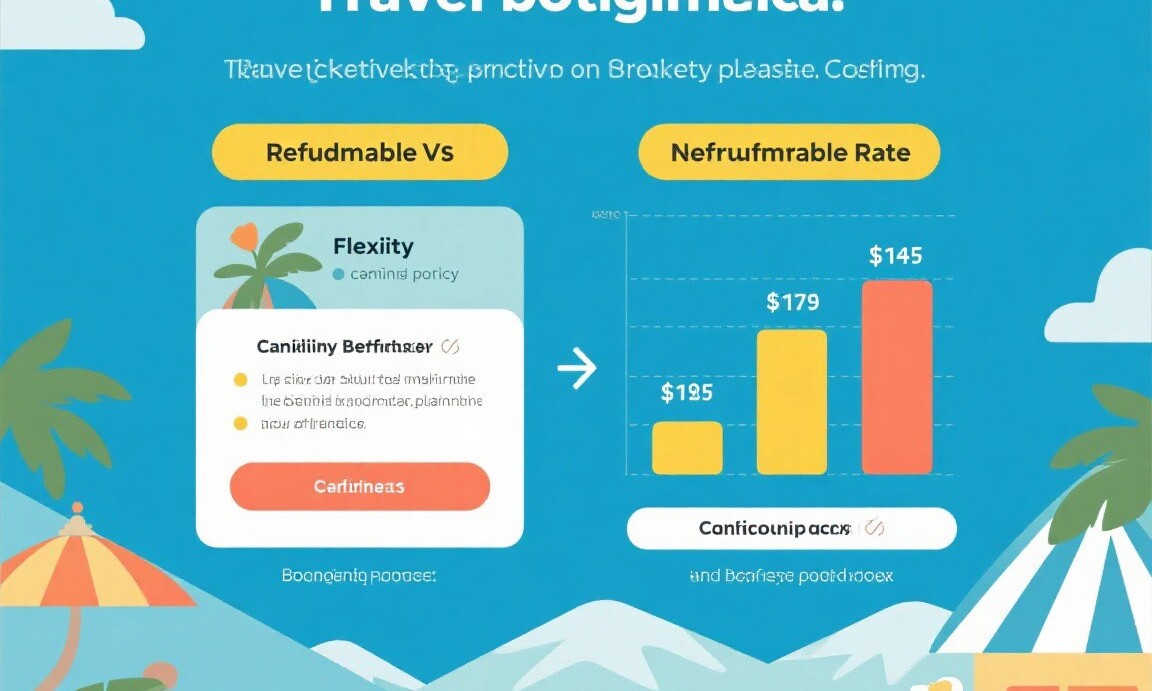
I used to always book the cheapest non-refundable rate because it was, well, the cheapest. Then I got sick in Vietnam and had to cancel two nights at a hotel in Hoi An. The non-refundable rate was $35 per night, and I lost $70. The refundable rate for the same room was $40 per night. I had saved $10 by booking non-refundable and lost $70 when I had to cancel. That is a terrible return on investment.
Now I always book the refundable rate, even if it costs 10 to 20 percent more. The reason is simple: plans change. Flights get delayed, you get sick, you find a better option, or you simply want to leave a city earlier than planned. The refundable rate gives you flexibility, and flexibility has real monetary value. I have cancelled or modified about 15 percent of my hotel bookings over the past two years, and the ability to do so without penalty has saved me far more than the extra cost of the refundable rates.
There is also a strategy I call the "book and watch" approach. I book a refundable rate as soon as I know my dates, then I keep checking the price as the dates approach. If the price drops, I cancel the original booking and rebook at the lower rate. If the price goes up, I keep the original booking. This works because most hotels adjust their prices dynamically based on demand, and prices often drop in the week before arrival as the hotel tries to fill remaining rooms. I have used this strategy to get additional discounts of 10 to 25 percent on about a third of my bookings.
Mistake Three: Not Using Member Rates and Loyalty Programs
Hotel loyalty programs are not just for business travelers staying at Hiltons and Marriotts. Many independent hotels and small chains offer member discounts that are available to anyone who signs up for a free account. Agoda gives members an additional 5 to 10 percent discount on most properties. Hotels.com gives you a free night after booking 10 nights through their platform. Booking.com has a Genius program that offers discounts of 10 to 20 percent after you book a few stays.
I signed up for all three programs, and the combined savings have been significant. In Budapest, I booked a room at the Aria Hotel through Booking.com's Genius program for 180 euros ($195), which was 15 percent less than the standard rate of 212 euros ($230). The room came with a free welcome drink and late checkout, neither of which was included in the standard rate. In Kyoto, I used Hotels.com's free night reward to stay at a traditional ryokan, a Japanese inn, for zero dollars on my tenth booking. The room would have cost $120 per night.
The most overlooked source of hotel discounts is direct email newsletters. Many hotels offer exclusive rates to subscribers that are not available on any platform. I signed up for the mailing lists of about 20 hotel brands and independent properties in regions I visit frequently. In Oaxaca, Mexico, I received an email from a small hotel called Hotel Casa Oaxaca offering a 30 percent discount for bookings made within 48 hours. I booked two nights for $75 per night instead of the standard rate of $107. The hotel was beautiful, with a rooftop terrace overlooking the Santo Domingo church, and the room had a wood-burning fireplace and handwoven textiles on the bed.
Booking hotels is not complicated, but it requires more effort than most people put into it. The three biggest changes that saved me the most money were: comparing prices across multiple platforms, always booking refundable rates, and signing up for every free loyalty program and newsletter I could find. These three habits have reduced my average hotel cost by about 30 percent over the past two years, which adds up to thousands of dollars on a long trip. The hotel industry is designed to extract maximum revenue from travelers who book the first option they see. Do not be that traveler.
Digital nomad and points & miles strategist. Sarah has flown business class for free more times than she can count.
Related Reading
Explore more articles on this topic from our travel guides and tips.
-
1
How to Get Your TSA PreCheck or Global Entry for Free Travel Hacks · Apr 5, 2026
-
2
The Best Budget Beach Destinations in the World Right Now Destination Guides · May 2, 2026
-
3
The Best Time of Day and Week to Book Flights in 2026 Travel Hacks · May 5, 2026
-
4
How I Traveled Japan for 21 Days on $1200 Budget Travel · May 10, 2026