Exploring Peru on a Budget: Lima, Cusco, and the Sacred Valley
The altitude hit me in Cusco at 3,400 meters. I was carrying my backpack up a steep cobblestone street from the Plaza de Armas to my hostel when my vision start...
The altitude hit me in Cusco at 3,400 meters. I was carrying my backpack up a steep cobblestone street from the Plaza de Armas to my hostel when my vision started to narrow and my legs turned to concrete. I sat down on someone's front steps and breathed deeply for five minutes, the thin air refusing to satisfy my lungs. An old woman walking past handed me a cup of muña tea, an herbal infusion made from Andean mint that locals swear cures altitude sickness. It tasted like peppermint and desperation. Whether it was the tea or the rest, I felt better within 20 minutes and made it to my hostel without further incident.
Peru is one of South America's most rewarding budget destinations, offering ancient ruins, stunning Andean scenery, and some of the best food on the continent. I spent two weeks in Peru, covering Lima, Cusco, the Sacred Valley, and Machu Picchu, on a budget of $40 per day. The altitude was the hardest part. The prices were the easiest.
Lima: The Food Capital of South America
I spent three days in Lima, staying at the Kokopelli Hostel in the Barranco district for 35 soles ($9.30) per night in a dorm bed. Barranco is Lima's bohemian neighborhood, full of street art, galleries, and restaurants. The hostel was two blocks from the Puente de los Suspiros, the Bridge of Sighs, a wooden pedestrian bridge that overlooks a ravine filled with bougainvillea.
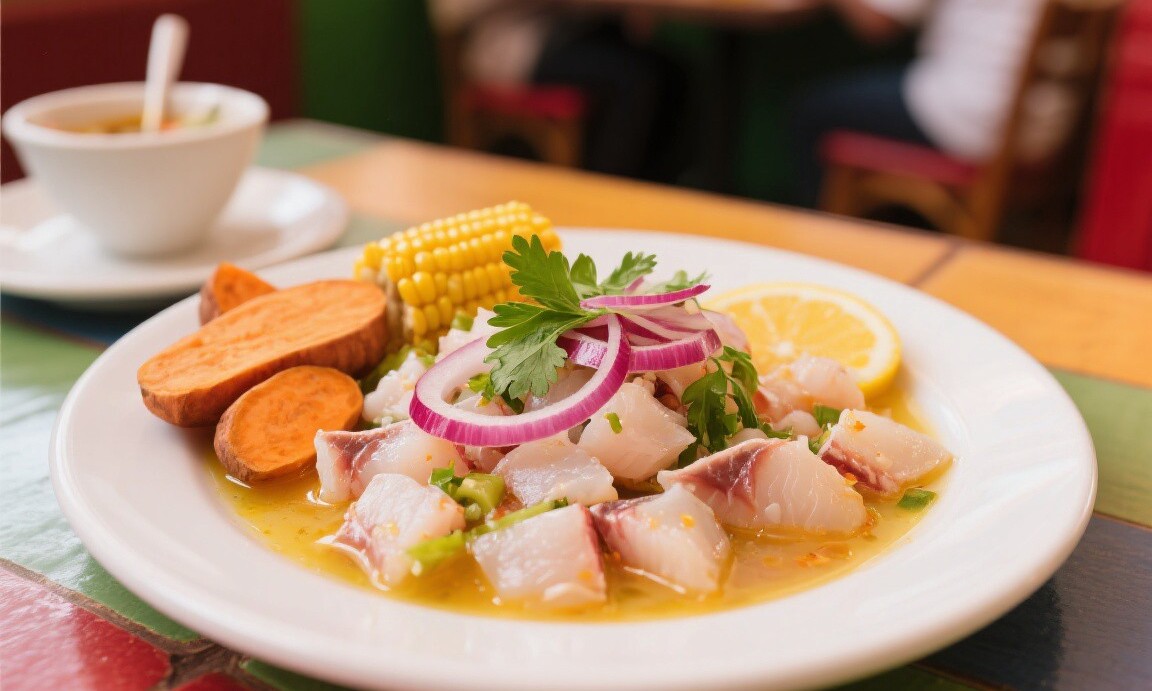
Lima's food scene is legendary, and it is remarkably affordable. A ceviche, Peru's national dish of raw fish marinated in citrus juice with onion and chili, at a cevichería called La Mar cost 45 soles ($12) for a generous portion. But the real value was at the mercado, the central market near the historic center. I ate breakfast at the Mercado Central for 8 soles ($2.15), a plate of tamales and fresh juice. Lunch at a stall inside the market cost 12 soles ($3.20) for a two-course meal of soup and a main dish. The juice stands sold fresh blends of passion fruit, camu camu, and mango for 5 soles ($1.33) per glass.
The Miraflores district, Lima's upscale neighborhood, has a clifftop park called the Parque del Amor with a sculpture of a kissing couple and views of the Pacific Ocean. The park is free, and the sunsets are spectacular. I walked from Barranco to Miraflores along the clifftop path, a 30-minute walk with ocean views the entire way, and watched paragliders launch from the cliffs above the beach.
Cusco, the Sacred Valley, and Machu Picchu
The flight from Lima to Cusco on LATAM cost 180 soles ($48) one way, booked through the LATAM website. In Cusco, I stayed at the Wild Rover Hostel for 30 soles ($8) per night. The altitude affected me for the first two days, and I spent those days walking slowly, drinking coca tea, and acclimatizing. Coca tea, made from coca leaves, is legal and widely available in Peru, and it genuinely helps with altitude symptoms.
The Sacred Valley, the fertile valley between Cusco and Machu Picchu, is accessible by colectivo, shared vans that depart from the Pavitos street market in Cusco. A colectivo to Ollantaytambo, the valley's main town, cost 10 soles ($2.65) and took 90 minutes. The Ollantaytambo ruins, a massive Inca fortress with terraced hillsides and stone structures, cost 70 soles ($18.60) to enter with the tourist ticket. The fortress was the site of one of the few Inca victories over the Spanish conquistadors, and standing on the terraces looking down at the town, I could understand why the Incas chose this defensible position.
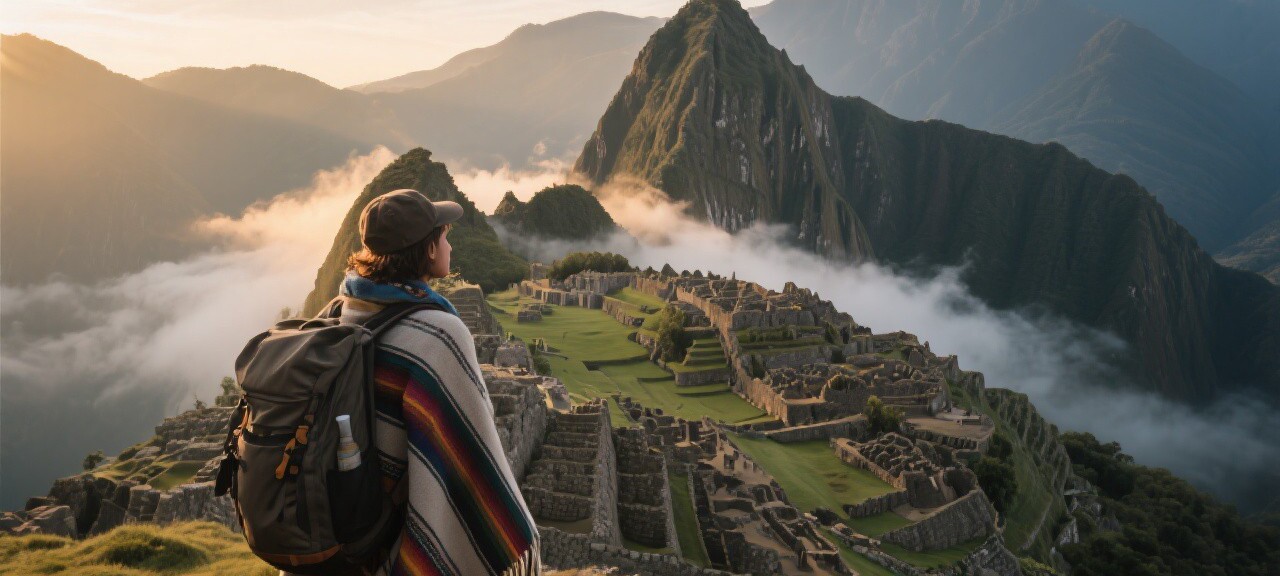
Machu Picchu was the climax of the trip. I took the train from Ollantaytambo to Aguas Calientes, the town at the base of Machu Picchu, on Peru Rail for $35 one way. The cheapest option is to take the train to Hidroelectrica and walk 2.5 hours along the tracks to Aguas Calientes, which costs about $8 total but adds three hours to the journey. I chose the train because I was short on time. The entrance to Machu Picchu cost 152 soles ($40) for foreigners, and I hired a guide at the entrance for 100 soles ($26.50) for a two-hour tour. My guide, a Quechua man named Wilbert, explained the astronomical significance of the Intihuatana stone, the agricultural purpose of the terraces, and the engineering marvel of the water management system that still functions after 500 years.
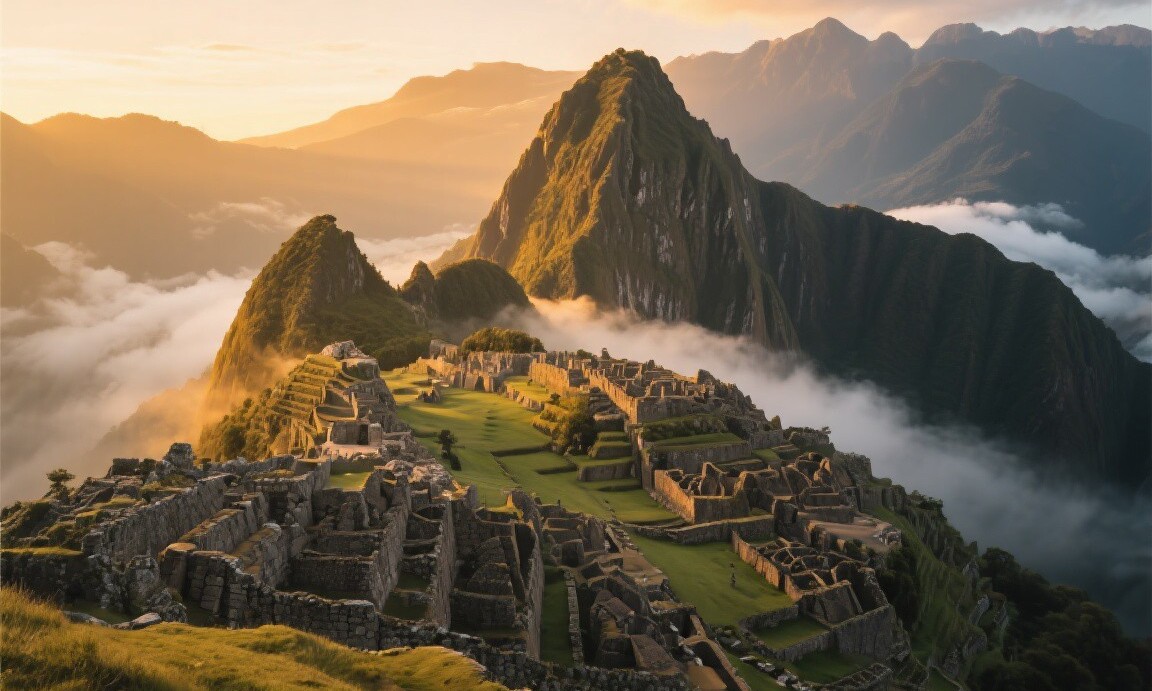
Two weeks in Peru cost me $560, or $40 per day. That included a domestic flight, the train to Machu Picchu, all accommodation, food, activities, and guides. Peru is not as cheap as Southeast Asia, but for South America, it offers exceptional value. The food alone, ceviche, lomo saltado, causa, and rocoto relleno, would justify the trip. The ruins, the mountains, and the culture make it unforgettable. Just remember to breathe deeply and drink your coca tea.
Budget travel expert who has visited 60+ countries on a shoestring budget. She shares practical tips to help anyone travel for less.
Related Reading
Explore more articles on this topic from our travel guides and tips.
-
1
The Best Time of Day and Week to Book Flights in 2026 Travel Hacks · May 5, 2026
-
2
The $500 a Month Digital Nomad Guide to Bali Hotel & Flight Deals · Apr 20, 2026
-
3
How to Get Travel Insurance That Actually Covers What You Need Budget Travel · Apr 12, 2026
-
4
Traveling with Kids on a Budget: A Parent Survival Guide Budget Travel · Apr 29, 2026